
Scientists hope to overcome the energy crisis in this way.
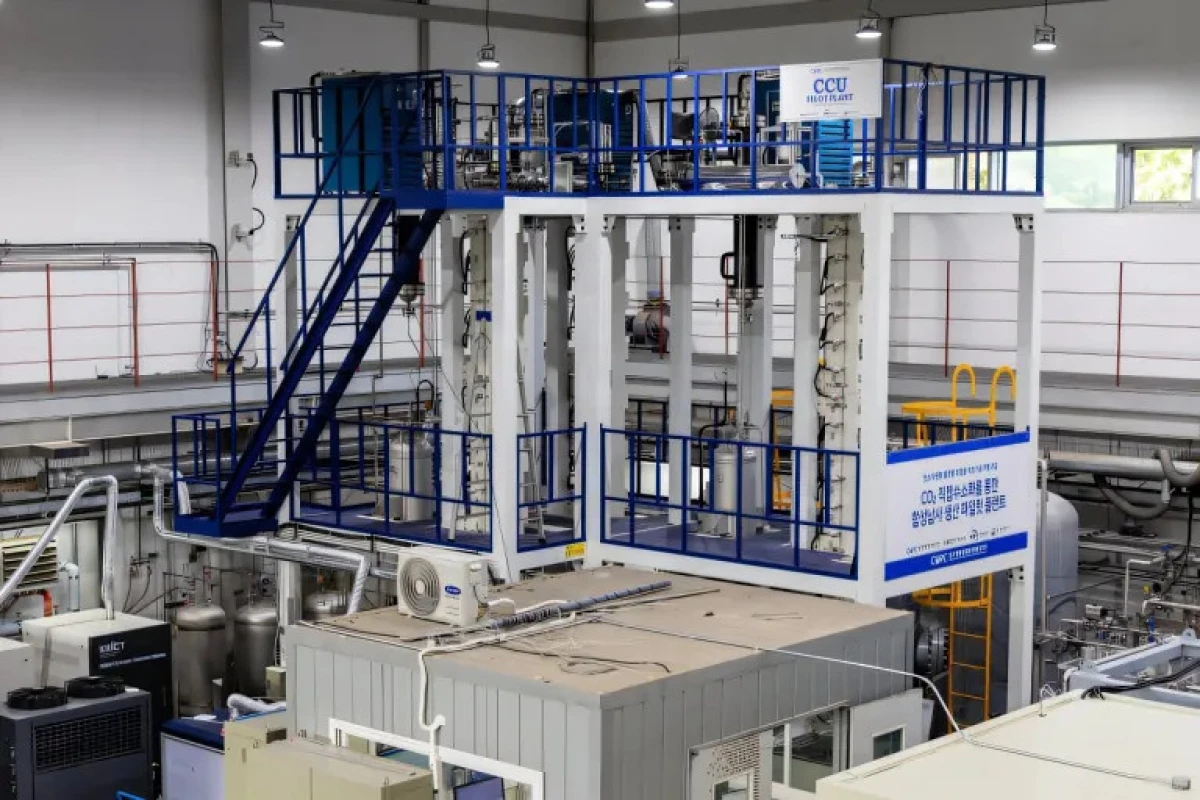
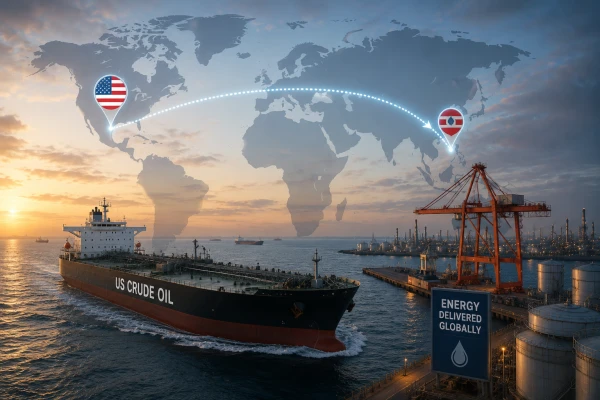
Researchers from the Korean Institute of Chemical Technology have developed a technology for the direct conversion of CO2 from industrial emissions into fuel. It stands out from its counterparts due to the speed and low cost of the process – neither high temperatures nor high pressure are required. Moreover, South Korea does not hide its hopes of overcoming the energy crisis in this way – with the closure of the Strait of Hormuz, the country has lost up to 70% of its oil imports.
The technology itself emerged last year, and by the end of that year, the pilot plant was already producing up to 60 liters of fuel per day, despite its efficiency not exceeding 50%.
Currently, scientists, together with engineers from GS Engineering & Construction and Hanwha TotalEnergies, are designing a plant that will be able to synthesize up to 100,000 tons of fuel per year. At the same time, work is underway to integrate the plant with renewable energy sources to make the process as cheap and environmentally safe as possible.
The core of the technology is a method of direct hydrogenation of CO2 using hydrogen. Thanks to a special catalyst, this process occurs in one stage, heating the starting components to only 330 °C – compared to about 800 °C in the classical approach that involves the release of carbon monoxide.
The output will only be fuel, naphtha, or gasoline, so it will not be possible to replace supplies of oil and other complex substances for industry. However, producing fuel essentially from air will also be a good support for a country that has a shortage of its own energy resources.















Leave a comment