
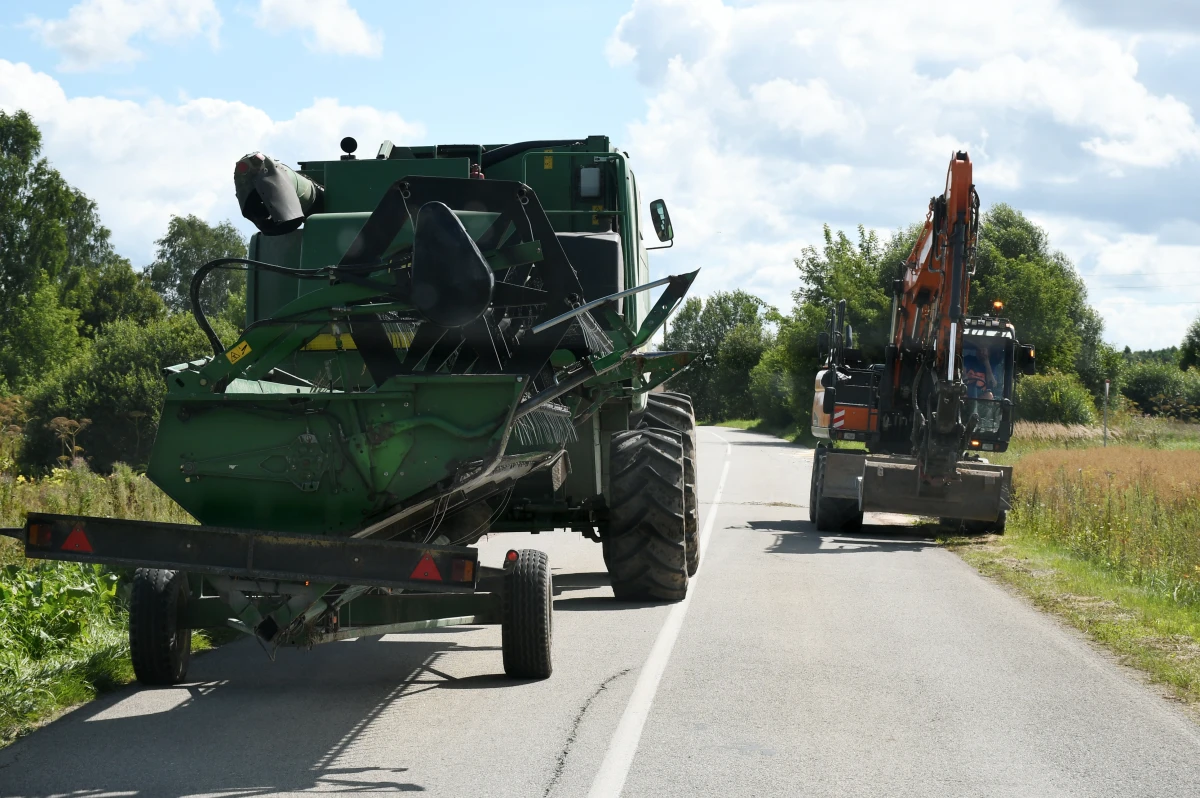
The crisis in the Middle East has not yet dealt a serious blow to most Latvian farmers; however, the most severe consequences may manifest during the preparation for the next agricultural season. The industry warns of a sharp rise in prices for fuel, fertilizers, and plant protection products.
Latvian agriculture may face much more serious consequences from the Middle Eastern crisis next year than it does now. This was stated by the chairman of the board of the Council of Agricultural Organizations Cooperation (CAOC), Guntis Gutmanis.
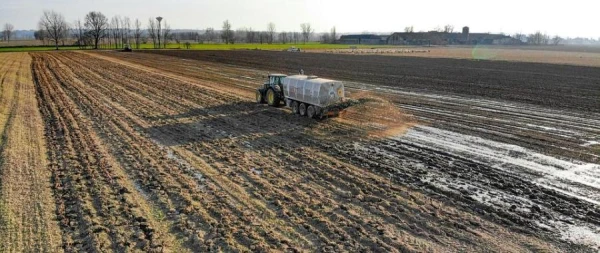
According to him, most farmers managed to purchase fuel, mineral fertilizers, and plant protection products before the crisis caused a rise in global prices. Therefore, the current season for many farms is proceeding without a sharp increase in costs.
However, the situation may change significantly by autumn. It is then that farmers will need to purchase the main resources for the next agricultural year.
According to industry estimates, prices for fuel, fertilizers, and plant protection products are already 30–50% higher than a year ago.
The main problem is related to the Middle East, which plays an important role in supplying raw materials for the global agricultural sector. According to Gutmanis, about 20% of the world's fuel and mineral fertilizer resources are linked to this region. Any disruptions in supply quickly reflect on global prices.
The rise in fuel prices affects not only farmers' operations but also the transportation of products, logistics, and processing.
What is important to know: even if the situation in the Middle East stabilizes soon, the consequences for the market may be felt for several more years. The reason is the damaged infrastructure, ports, and production capacities, the restoration of which takes time.
The industry is already recording the first signs of adaptation to the new conditions. Some farms are revising their planting plans for the next season. Some farmers may reduce the areas of certain crops or change the structure of production.
One possible solution, according to Gutmanis, is the diversification of agriculture. As an example, he cites the pea protein plant being built in Jelgava by Asns Ingredient.
The launch of the enterprise is expected to increase pea cultivation in Latvia while simultaneously ensuring the processing of raw materials within the country, creating additional added value.
However, it is still too early to talk about future price increases for food. The head of CAOC notes that the cost of food will depend not only on producers' costs but also on the harvest in Latvia and other European countries.
Even if the production costs of local products rise, the market may be restrained by cheaper imports from regions with good harvests. Therefore, the real consequences of the current crisis for consumers will become clearer after the harvest campaign in Europe is completed.
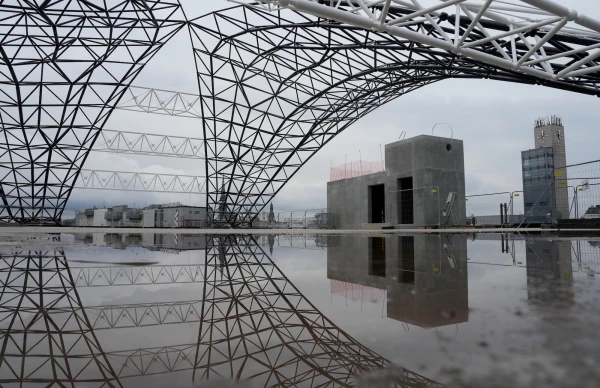
Meanwhile, construction continues in Jelgava on one of the largest agro-industrial projects in recent years. The pea protein plant is expected to be completed this summer, with production starting in early 2027. The total investment in the project, along with the accompanying infrastructure, will exceed 150 million euros.
Thus, Latvian agriculture is entering a new season under conditions of increased uncertainty: the current year is still proceeding relatively calmly, but the main consequences of the global crisis are expected ahead.







Leave a comment