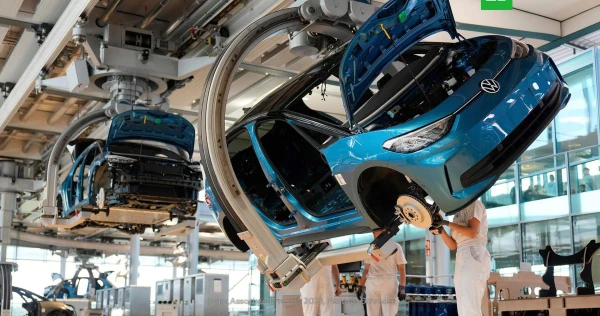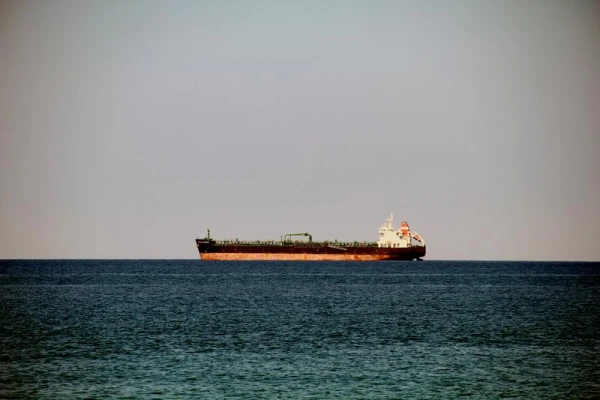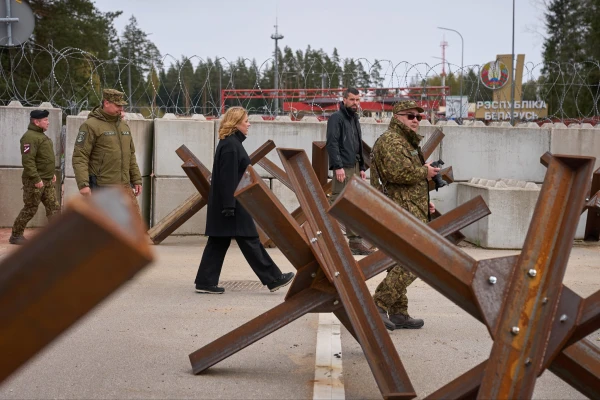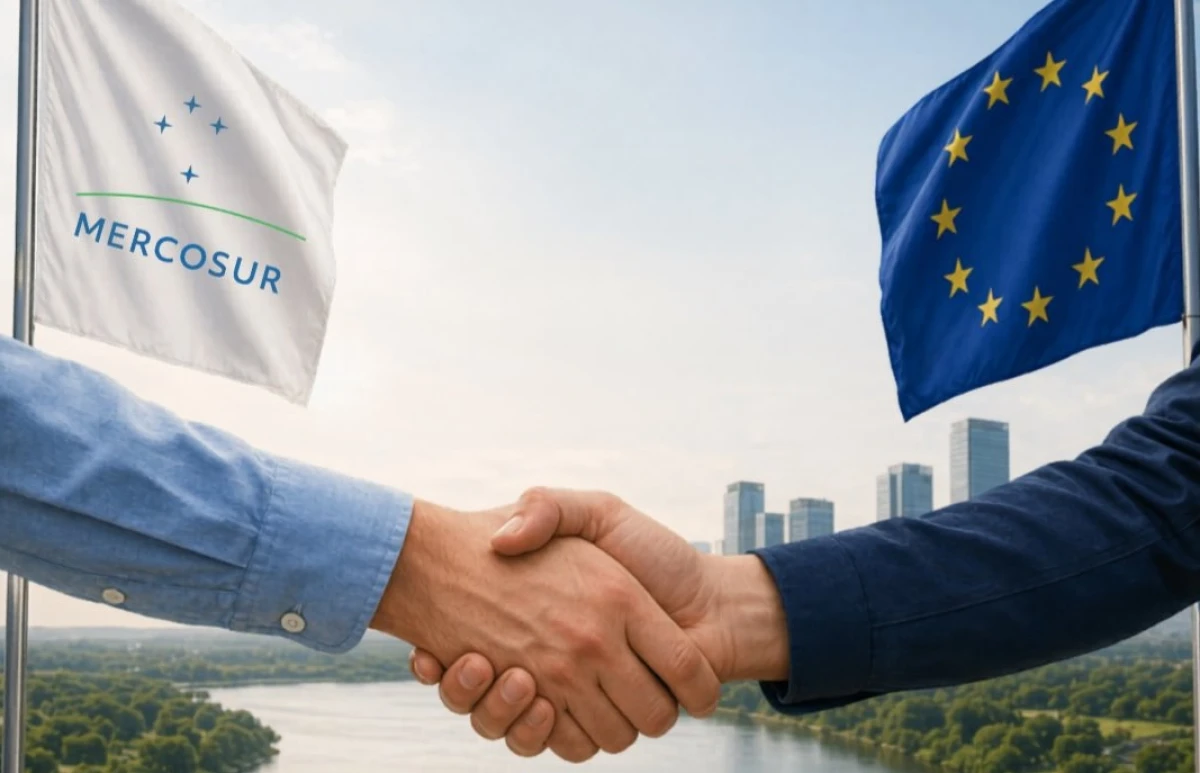
The agreement between the EU and the South American bloc Mercosur has come into effect on a provisional basis. In Germany, it is believed that it will contribute to the development of the automotive industry, engineering, and the pharmaceutical sector.
The European Union and the South American bloc Mercosur, consisting of Brazil, Argentina, Uruguay, and Paraguay, are launching a free trade zone, reports DW. On the night of Friday, May 1, the corresponding agreement came into effect on a provisional basis, the dpa agency reported.
The agreement is intended to stimulate the exchange of goods and services by gradually removing trade barriers and tariffs. In Germany, there are long-term expectations for significant opportunities for the development of the automotive industry, engineering, and the pharmaceutical sector within the framework of the new regime.
"This is a strong signal"
"With the entry into force of the agreement between the EU and Mercosur on May 1, trade with South America is gaining significant importance for German companies – although it previously accounted for only about 1% of Germany's total foreign trade turnover," said the Federal Association of German Industry and Commerce (DIHK).
A survey showed that 44% of all companies operating in the international market expect tangible consequences from this agreement, the dpa agency reported. "This is a strong signal," noted Volker Treier, head of the foreign trade department at DIHK.
A Challenge to Trump's Protectionism
The agreement with Mercosur was signed earlier this year after more than 25 years of negotiations. According to the European Commission, it creates a market for 720 million people and will reduce customs duties by billions of euros. Furthermore, the agreements are seen as a challenge to the protectionist customs policy of U.S. President Donald Trump.
Approval Mechanism
Meanwhile, the EU-Mercosur agreements can only be fully implemented after they are approved by the European Parliament, where some members have expressed doubts about the document's compliance with European law. The reason is that such a large-scale agreement affects not only trade but also investment and environmental standards.
A number of MEPs believe that separate consent from the parliaments of EU member states is necessary for the full ratification of the agreement. Therefore, the European Parliament has sent the agreement to the Court of Justice of the European Union in Luxembourg for legal review, which is expected to take several months.
The European Commission decided not to wait for the court's decision in Luxembourg in order to launch the free trade mechanisms provided for in the agreement as soon as possible. This step was authorized by the European Council after the ratification of the agreement by Uruguay and Argentina in January 2026.
The main critics of the agreement in the EU are France and Austria, which fear that the deal with Mercosur countries will weaken European environmental standards and create unfavorable conditions for agriculture in Europe due to cheaper products from Latin American countries. Environmental organizations also warn that the agreement could exacerbate deforestation in the Amazon.
<script async src="https://platform.twitter.com/widgets.js" charset="utf-8"></script>[ES] 📆 Está en marcha desde #HOY el acuerdo provisional MERCOSUR – Unión Europea.
— MERCOSUR (@mercosur) May 1, 2026
➡️ Eso implica que:
✅Nació una zona de libre comercio que reúne a más de 750 millones de personas y representa casi el 20% del Producto Bruto Interno Mundial.
🫱🏻🫲🏼 El #MERCOSUR y la #UE concretan… pic.twitter.com/djJHYHRMBw