
The region continues to purchase electricity from abroad, but the growth of renewable capacities is already reducing dependence and affecting prices.
The Baltic countries remain electricity importers, and until recently, they spent over a billion euros annually on this. These funds left the region, increasing dependence on external supplies.
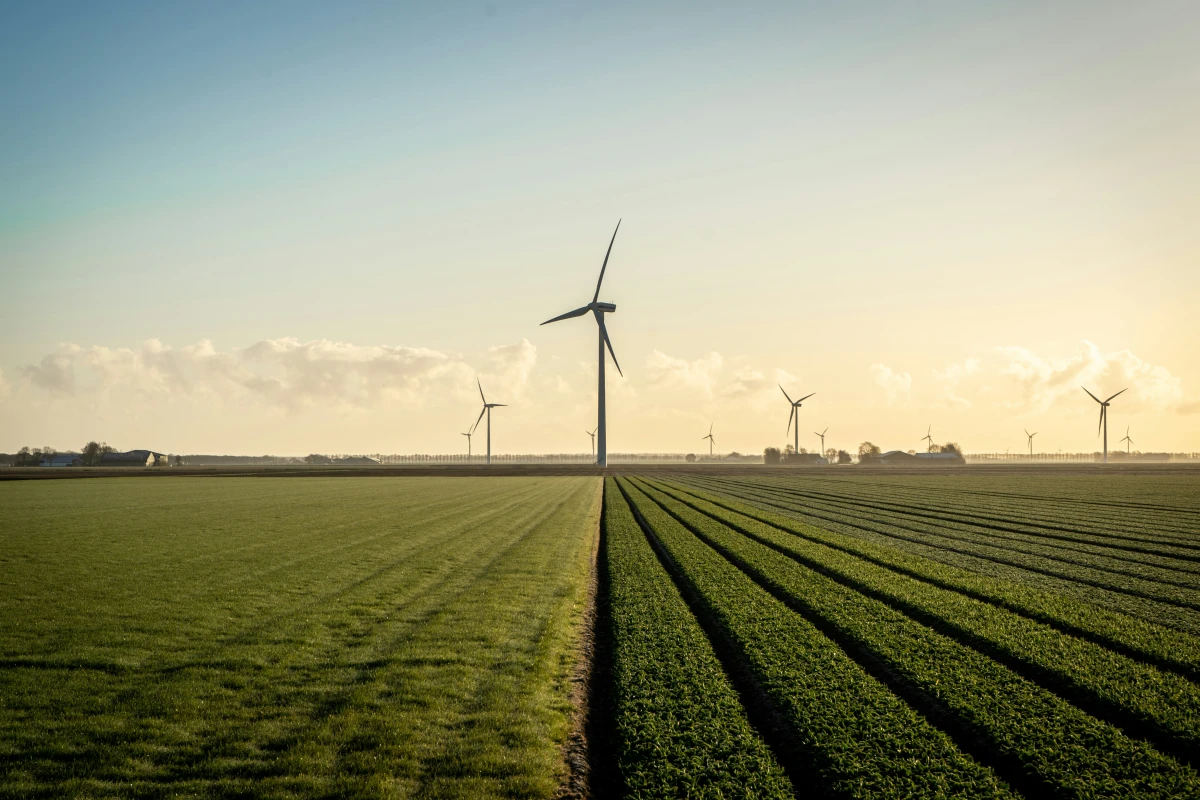
The situation began to change in 2022: imports are gradually decreasing thanks to the development of renewable energy. Lithuania plays a key role, where wind power plants are actively being built. Their total capacity now reaches almost 2848 MW — this is several times more than that of its neighbors.
Estonia ranks second with a capacity of about 711 MW. Latvia is still lagging behind: the existing wind farms provide 137 MW, but an additional 489 MW is planned to be commissioned soon. Even after this, the total volume — about 626 MW — will remain below Estonia's level.
The past winter was the coldest in the last two decades, including in Scandinavia. Northern countries used their electricity within the region, and exports decreased. As a result, the Baltics, especially Latvia, had to rely more on gas generation.
"It was expensive, and in January and February, the average price per MWh was 150 euros. Moreover, on February 26, the USA and Israel began a war in the Middle East, and prices for natural gas and other fossil fuels skyrocketed," said Lauris Baltinsh, head of the renewable energy support department at AS "Latvenergo," to Latvijas Avīze.
With the arrival of spring, the situation changed. In March, the average price dropped to 71 euros per megawatt-hour, and in April — to 56 euros. This is due to the increase in production from solar and wind power plants.
"This is simply explained — in spring, solar power plants start operating at full capacity, and wind power continues to operate. Thanks to them, we in the Baltics are moving towards energy independence, and soon — towards export," noted Baltinsh.
He also explains why wind energy plays a key role: "The formation of prices on the exchange is based on the principle that the cheapest and most accessible electricity at a given moment is taken first. In spring and summer, this is usually the energy obtained from solar and wind power plants."
According to him, except for the winter months, this year wind generation has already become the leading source of energy in the region, primarily thanks to Lithuania.
At the same time, Latvia maintains an important role due to hydroelectric power plants on the Daugava River and combined heat and power plants, which allow balancing the energy system.
"In simple terms, our 'neck' also bears the responsibility for balancing energy on a regional scale, which we can provide with our CHP plants, and we are well compensated for this," added Baltinsh.
However, the situation may change here as well: "Soon, we will not be the only ones in this area, as large capacities with energy storage batteries will be installed in Lithuania by the end of the year, and competition will begin in this sector too."
Overall, the region is moving towards greater energy independence, but it has not yet been possible to completely abandon imports.
Renewable energy is already reducing the Baltics' dependence on imports, but the transition to full independence is not yet complete.






Leave a comment