The company was founded 10 years ago by a Russian and a Ukrainian.
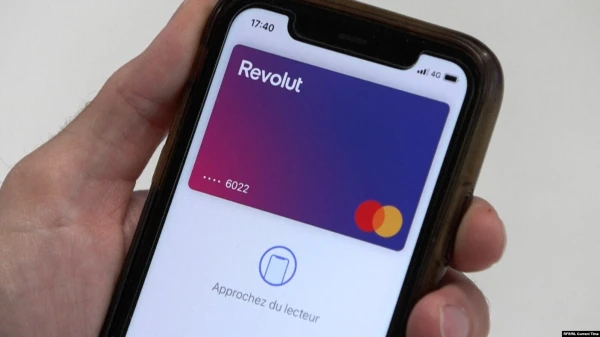
The neobank Revolut is suspending its services in Ukraine due to local legal requirements, reports Ukrainian Forbes citing messages from residents of the country.
The bank recommended that clients residing in Ukraine withdraw their funds from their accounts within 60 days. Once this period expires, the accounts will be closed.
"Although we cannot currently provide our services to residents of Ukraine, we hope that it will be possible in the future. We will inform you if the situation changes," the bank stated.
Revolut began working with clients in Ukraine in early 2025. On February 27, 2025, the National Bank of Ukraine publicly opposed the operation of the Lithuanian Revolut in Ukraine without the necessary permits. The regulator stated that the company had not received any licenses, had not submitted the relevant documents, and was not in the licensing process. In April, it became known that Revolut had suspended the registration of new Ukrainian users.
Previously, Revolut began blocking the accounts of Russian clients in the EU. They were notified of account closures if they did not have residency permits or citizenship of EU countries, which was explained by the recently approved 19th package of EU sanctions against Russia due to the war in Ukraine.
Revolut is a British fintech that provides services in over 200 regions and allows transactions in 29 currencies. Founded in 2015 by Russian Nikolai Storonsky and Ukrainian Vlad Yatsenko, Revolut obtained a banking license in Lithuania in 2018. The service has over 30 million individual clients and more than 500,000 corporate clients.
Since last year, Revolut has increased in value from $45 billion to $75 billion, becoming the most valuable startup in Europe, reported The Bell.
<iframe width="560" height="315" src="https://www.youtube.com/embed/k6zaLOOVDSM?si=f6O1A9DaM18fyb6R" title="YouTube video player" frameborder="0" allow="accelerometer; autoplay; clipboard-write; encrypted-media; gyroscope; picture-in-picture; web-share" referrerpolicy="strict-origin-when-cross-origin" allowfullscreen></iframe>