
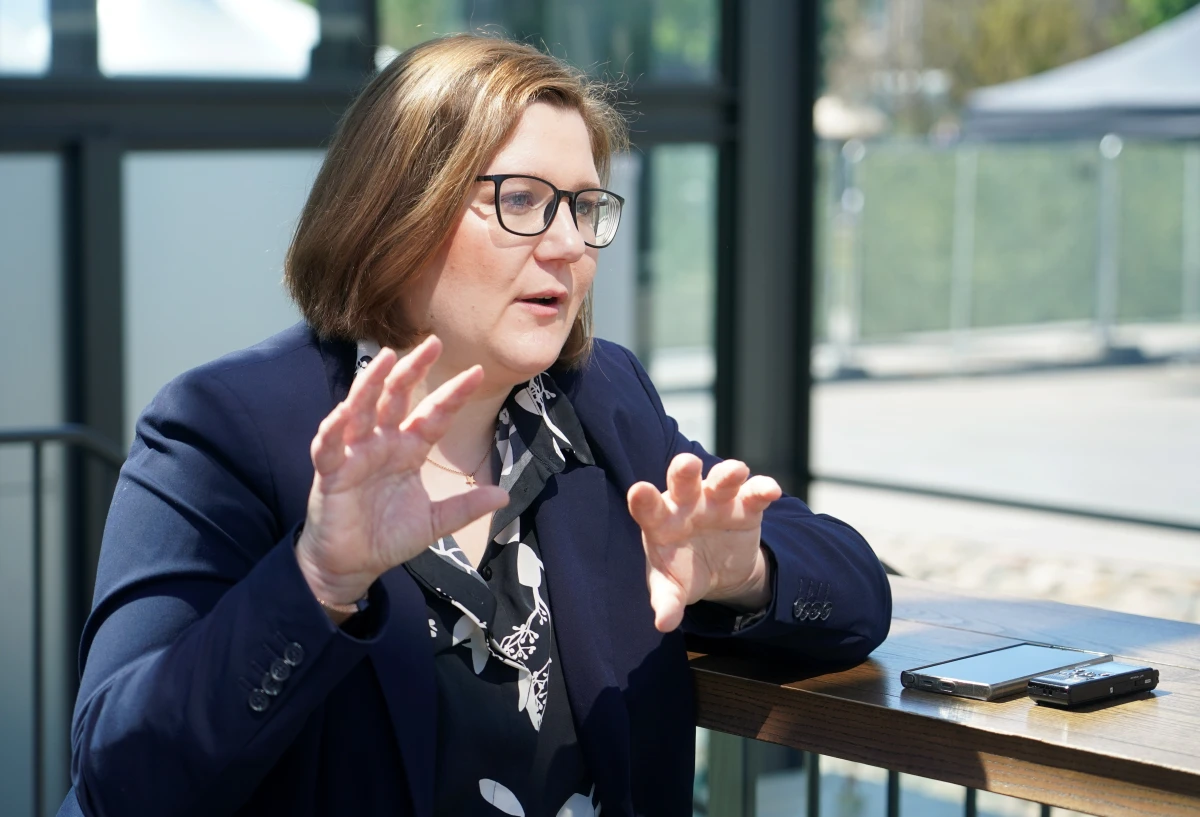
Germany intends to become the leading military power in Europe and take on more responsibility for the security of the continent. However, even a massive rearmament will not free Europe from dependence on the US in key defense issues, believes German security expert Andrea Rotter.
Europe can become stronger and more independent in the military sphere, but there will be no complete independence from the United States. This opinion was expressed in an interview with the LETA agency by the head of the Council on Foreign Policy and Security of the German Hanns Seidel Foundation, Andrea Rotter.
"Europe can significantly strengthen its defense capabilities, but in the foreseeable future it will not be able to fully replace the US in the security sphere," the expert emphasized.
According to her, Germany's new military strategy involves transforming the country into the strongest conventional military power in Europe and one of the key elements of NATO's European defense. At the same time, the most important components of security remain closely linked to American capabilities.
"Germany wants to take on more responsibility and become a central element of NATO's European defense," noted Rotter.
This concerns nuclear deterrence, strategic intelligence, missile defense, and air defense, as well as precision long-range weapons. It is in these areas that European allies' dependence on the US will remain for a long time.
"When it comes to nuclear deterrence, strategic intelligence, or long-range precision weapons, Europe is still largely dependent on the United States," she explained.
The change in sentiment in Germany is largely related to recent years of relations with Washington. According to Rotter, the harsh criticism of Europe by US President Donald Trump made many Germans think about how reliable American support remains.
"Donald Trump's statements became a signal for many Germans that Europe needs to invest more in its own security," said the expert.
As a result, public support for strengthening its own defense and increasing the European contribution to the continent's security has grown in Germany.
What is important to know: this is not about Europe exiting the American security "umbrella." Rather, European countries seek to become stronger partners within NATO and take on a larger share of costs and responsibilities.
One of the most notable steps has been the deployment of a permanent German brigade in Lithuania. In addition, Germany, along with the Netherlands, is involved in leading NATO forces in the region of Latvia and Estonia, including the maritime direction.
According to the expert, many defense projects are still in the planning stage, but the course towards strengthening the army has already become sustainable.
"We are witnessing profound changes in German society. Security issues are perceived quite differently today than just a few years ago," noted Rotter.
Rotter also acknowledged that Germany had long underestimated warnings from Eastern European allies about threats from Russia.
"We should have listened more carefully to our partners from Eastern Europe, who warned about threats from Russia much earlier," she said.
Now, according to her, the situation has changed, and Berlin is striving to prove to its partners its readiness to take on a leadership role.
At the same time, Germany is increasingly seeking new formats of cooperation in the field of security. While earlier the main focus was on pan-European mechanisms and close interaction with France, Berlin is now more frequently supporting the creation of coalitions of countries ready to quickly implement specific defense projects.
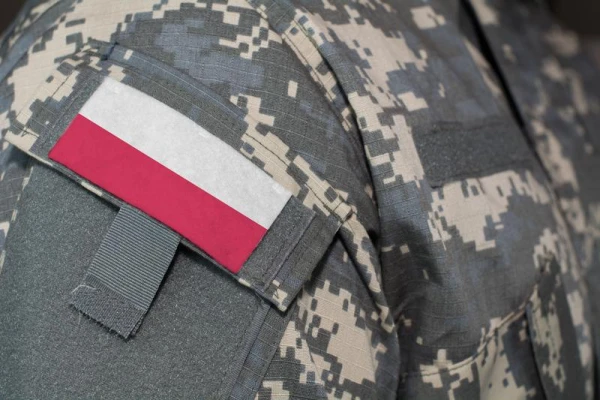
Among the promising formats of cooperation, the expert mentioned the Weimar Triangle, which brings together Germany, France, and Poland.
"Today, flexible coalitions of states that are ready to make quick decisions and implement joint projects are gaining increasing importance," believes Rotter.
Another direction is space security. By 2030, Germany plans to invest more than 35 billion euros in the development of space capabilities. This is about three times more than France intends to invest over the same period.
Particular attention is paid not only to the protection of satellites and surveillance systems but also to active measures against threats in space.
"Just a few years ago, the idea of actively protecting German interests in space would have sparked serious political debates. Today, attitudes towards this have noticeably changed," noted the expert.
Public attitudes have also changed. While previously ideas of active cyber defense or military capabilities in space sparked serious debates, now more Germans consider such measures necessary to deter potential adversaries.
According to the expert, Germany has entered a period of the largest transformation of its defense policy in recent decades.
"We are at the beginning of a large-scale process of rethinking Germany's role in European security," stated Rotter.
However, even against the backdrop of these changes, the transatlantic alliance and support from the US will remain the foundation of European security.
"Regardless of how much stronger Europe becomes, the transatlantic partnership will remain the cornerstone of its security," concluded the expert.









Leave a comment