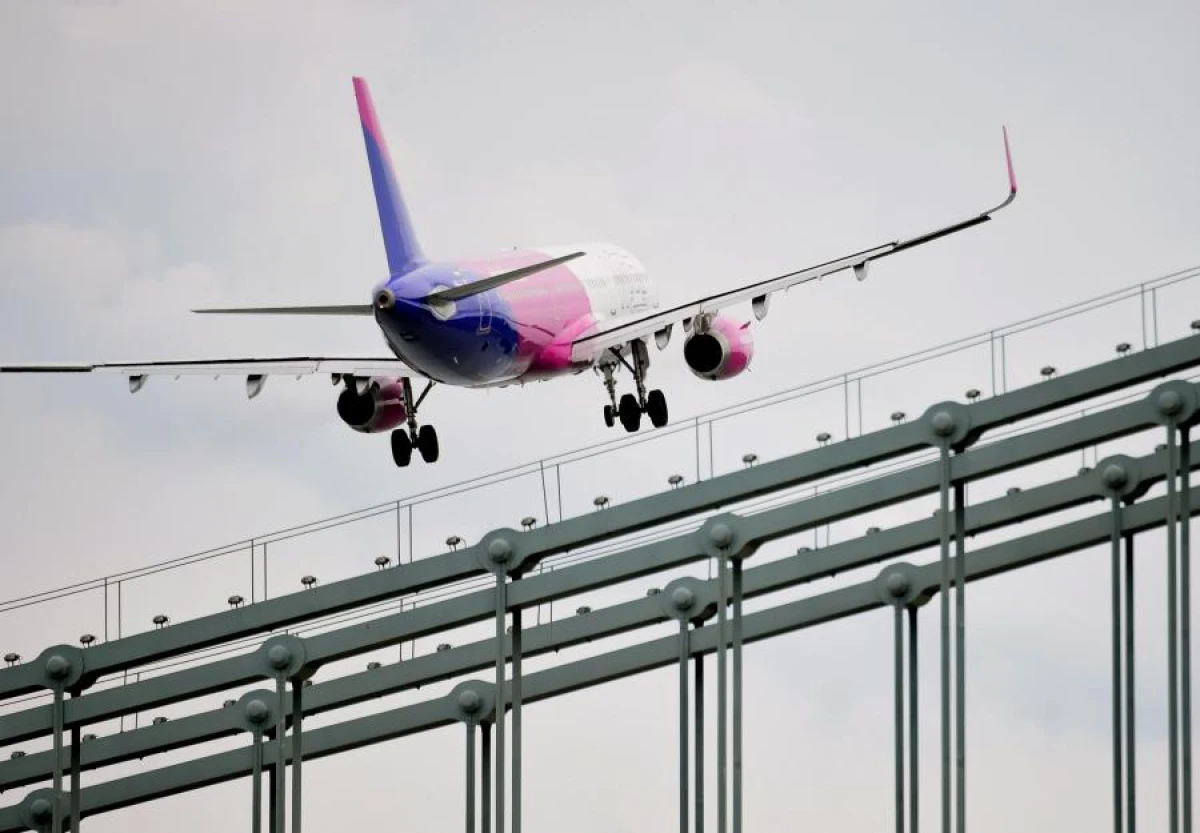
Low-cost carrier Wizz Air urges passengers to arrive at the airport three hours early due to new EU border checks: queues are growing, flights are already being missed, and concerns about summer disruptions are increasing.
British travelers returning from Europe this summer may have to spend significantly more time at airports: Wizz Air is warning passengers that due to new border checks following Brexit, which continue to cause disruptions, they should arrive at the airport three hours before their flight.
The budget carrier reports that some passengers have already missed their flights due to long queues at passport control related to the Entry/Exit System (EES), which requires visitors from non-EU countries to register biometric data upon entering and exiting the Schengen Area.
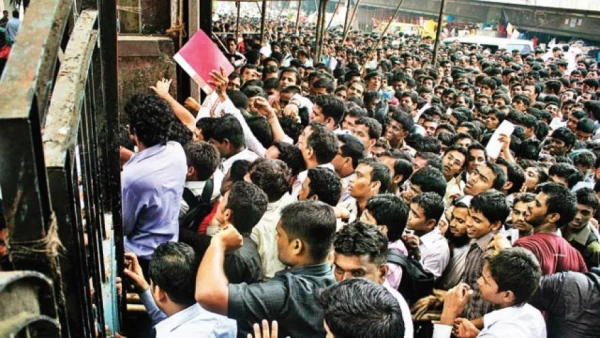
Airports across Europe confirm that queues are indeed long and continue to grow as the busy summer season approaches.
While the European Commission has repeatedly stated that the EES is functioning normally at most border crossings, many airlines and airports are experiencing serious difficulties due to it.
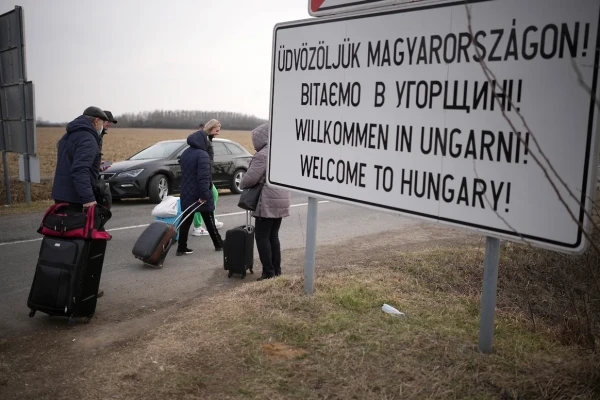
The system means that travelers from outside the EU, including UK citizens after the country’s exit from the bloc, must register biometric information, including fingerprints, upon entering many Schengen states. Upon exit, this data is checked again.
Since October of last year, nearly 80 million such entries and exits have been recorded, with 35,000 cases of entry being denied.
Since mid-April of this year, the EES was supposed to be fully operational at all borders of the Schengen Area, including airports, but the implementation has proven challenging.
At popular tourist destinations, particularly in Spain, Portugal, and France, long queues are forming, while Greece has practically suspended checks for UK citizens to reduce chaos.
Yvonne Moynihan, head of Wizz Air UK, noted in a comment to the BBC that the impact of the EES is "uneven across Europe": in some places, the system works relatively smoothly, while in others, its effects are felt more strongly. According to her, the airline will continue to advise passengers to prepare for long waits and to arrive three hours before departure instead of the standard two.
She added that she recommends passengers "bring a portable charger and water" in case they have to stand in line longer than usual, as well as allow more time for connecting flights.
Is transport chaos looming this summer?
This assessment is shared by ACI Europe, the industry association of airports.
The association told the BBC that passengers should arrive at airports within the timeframes recommended by airlines, but disruptions surrounding the EES are already leading to queues lasting up to three and a half hours.
They added that despite the partial suspension of the EES during peak periods at several airports, they expect the situation "to continue to worsen" and could "get out of control" as the summer peak approaches.
All of this is happening against the backdrop of a conflict involving Iran, which is causing issues with aviation fuel supplies and prompting travelers to exercise increased caution: some are delaying flight bookings until the last minute due to ongoing uncertainty.
According to Moynihan, Wizz Air is noticing a trend toward later bookings, but she assures that passengers "can confidently plan" their summer vacations. Executives from other airlines, including EasyJet and Jet2, share a similar view.
At the same time, the head of Wizz Air UK emphasized that suppliers have already adapted, there is no expected fuel shortage, and no reductions in flight schedules are planned.
Fares are likely to rise if oil prices remain high. However, in the short term, airlines will be able to offset costs through savings in other areas.
Britons are facing not only long queues at airports: it has been revealed that one in five residents of the UK cannot afford a vacation this year.
A new survey of 2,000 Britons conducted by SumUp and YouGov found that due to soaring prices, 30% have postponed trips, while 9% are shortening their vacations to save money.
YouGov surveys in other European countries showed similar results: in France, Germany, Italy, and Spain, the proportion of people unable to afford a vacation ranges from 18% to 21%.
Who is subject to the EES system and who is exempt?
The EES system applies to citizens of non-EU and non-Schengen countries traveling to EU or Schengen states for short stays of up to 90 days within a 180-day period.
This includes UK citizens as well as visa-exempt travelers, regardless of whether they are traveling for tourism or business. The system also covers people who own property in EU countries but do not have residency permits.
However, Ireland and Cyprus are exempt from the EES, so manual passport checks will remain in place there.
Certain categories of people are also exempt from the system. These include citizens of EU and Schengen countries, as well as holders of long-term visas or residence permits from these countries, including citizens of third countries.
The exemption also applies to family members of EU citizens who have residency in one of these countries, as well as residents of border areas holding valid local border crossing permits.
Members of train and flight crews on international routes, as well as military personnel and their families traveling under the Partnership for Peace program or through NATO, are also exempt from the EES.
There may also be specific exemptions for one-day cruise trips that start and end outside the Schengen Area.
Citizens of Andorra, San Marino, Vatican City, and Monaco are also exempt from the system.