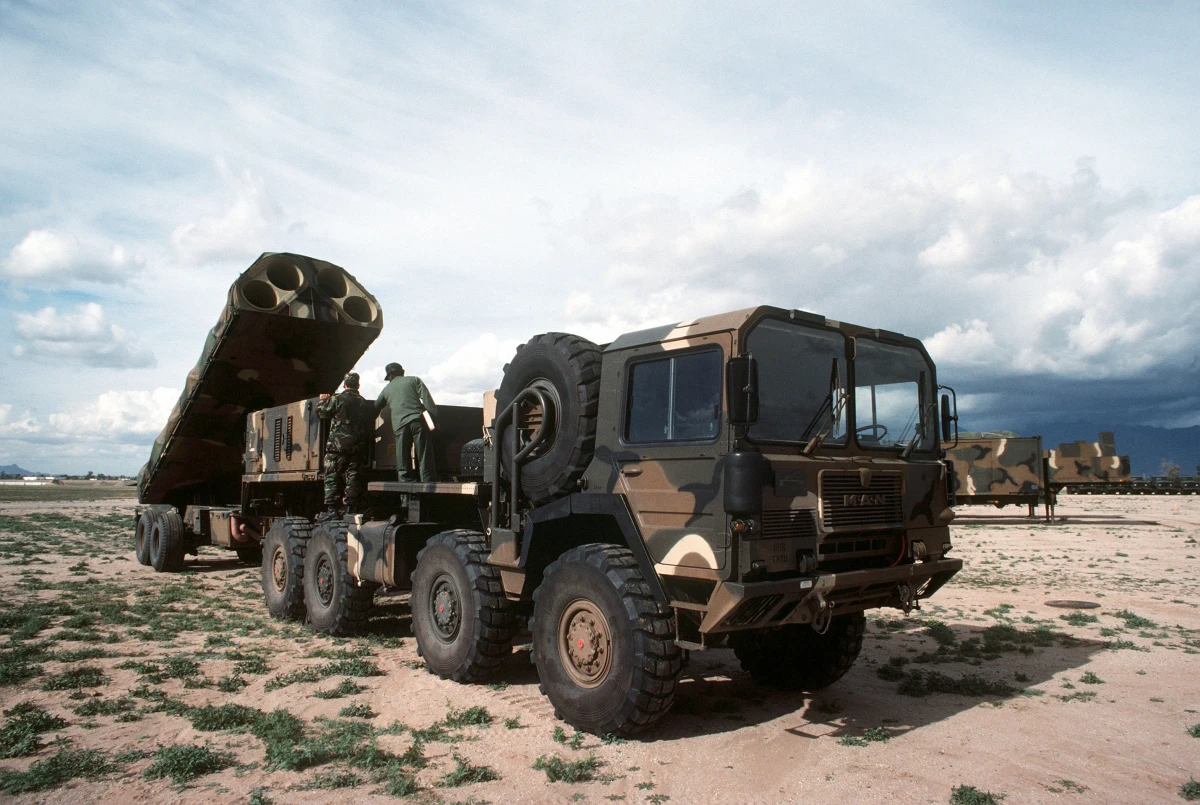
The US battalion equipped with Tomahawk cruise missiles with a range of up to 2500 kilometers will not be deployed in Germany, Reuters reported. The measure was intended for the period while Europe develops such missiles independently.
The US will not deploy a battalion equipped with Tomahawk cruise missiles with a range of up to 2500 kilometers in Germany. Berlin had previously insisted on implementing this step as a powerful means of deterring Russia. This was reported on Saturday, May 2, by Reuters and the Financial Times.
The battalion was supposed to be deployed by the end of the year. The measure was intended for the period while Europe develops such missiles independently. The decision was agreed upon in 2024 during the presidency of Joe Biden and then Chancellor of Germany Olaf Scholz. German Defense Minister Boris Pistorius stated at the time that this step was meant to eliminate a "gap in capability."
US President Donald Trump threatened on the night of May 3, amid a conflict with German Chancellor Friedrich Merz, to reduce the US presence in Germany "by much more than 5000 American soldiers."
Expert: Germany Lacks Missiles for 'Counter-Threat' to Russia
German security expert Nico Lange stated on Tagesschau that the Russian missiles based in Kaliningrad "pose a threat to us." According to him, Germany does not have suitable missiles to create a "counter-threat." "We wanted to obtain them from America, but now we will not," he added. Europe must "create this capability as soon as possible, because it is very important for our security," emphasized Lange.
"The Consequences Are Paradoxical"
Security expert Christian Mölling believes that the situation surrounding the Tomahawk is "a much more alarming news" than the order to withdraw about 5000 US troops from Germany within a year. It concerns "missiles capable of hindering Russia even at the deployment stage - that is, not only when it approaches NATO's border, but significantly earlier," he pointed out on ZDF.
The consequences of this step are paradoxical, the expert added. The absence of this battalion in Germany will weaken NATO's deterrent capability and thus increase the necessity for direct American intervention within the North Atlantic Alliance in the event of a conflict, he believes.
Carlo Masala from the Bundeswehr University in Munich (Bavaria) told Welt am Sonntag: "There is a serious gap in the deterrent capability against Russia here, which can only be filled later with European weapons."
Pentagon Announced Reduction of Troops in Germany by 5000 Soldiers
On May 2, Pentagon Chief Pete Hegseth ordered the withdrawal of about 5000 troops from Germany within a year. "We expect the troop withdrawal to be completed within the next six to twelve months," Pentagon spokesman Sean Parnell said on May 2, specifying that the decision was made "after a thorough review of the US Department of Defense's troop presence in Europe."
According to the Pentagon, in December 2025, about 68,000 American servicemen were permanently stationed at European bases, more than half of them - about 36,400 - in Germany. The US Armed Forces have about 20 facilities in Germany, mainly in the south and southwest of the country. In 1985, before the fall of the Berlin Wall and the end of the Cold War, 250,000 American soldiers were stationed in Germany.
Trump and Merz Exchange
The statement from the White House regarding the American contingent came shortly after an exchange between the leaders of the two countries: Friedrich Merz reproached the American side for the lack of strategy in the war against Iran, and Donald Trump, in response, accused the German Chancellor of supporting Tehran's nuclear program.
During his first presidential term, Trump repeatedly threatened to withdraw US troops from Germany, but the step was not implemented.