
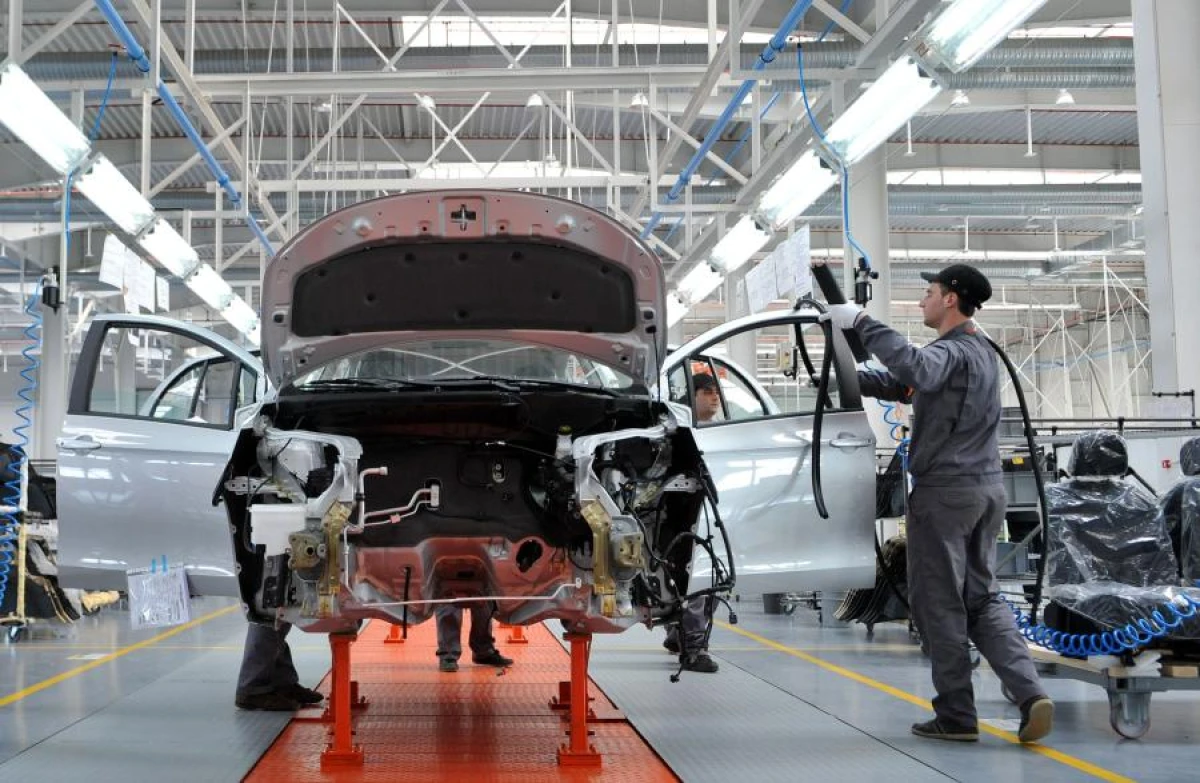
After Trump's announcement of increased US tariffs on cars from the EU, the Munich-based ifo Institute warned of negative consequences for economic growth in Germany this year in the event of retaliatory tariffs.
The Munich-based ifo Institute for Economic Research has warned of negative consequences for economic growth in Germany this year if the European Union responds by imposing tariffs on American goods. "If this leads to a new trade war, Germany faces recession in 2026," said ifo head Clemens Fuest in a comment to the Bild newspaper published on Saturday evening, May 2.
According to Fuest, the announcement made the day before by US President Donald Trump regarding a significant increase in import tariffs on cars from the EU will hit the German automotive industry "in an already difficult situation." Meanwhile, Jens Südekum, an advisor to German Finance Minister Lars Klingbeil, commented to the same newspaper that the EU should first wait to see if the increased tariffs are actually imposed. He advised Brussels to take "appropriate countermeasures" only in the event of their actual implementation.
Germany accounts for a significant portion of car exports from the European Union, and the planned increase in tariffs to 25 percent can be interpreted as the "beginning of an economic war against Germany," said German auto expert Ferdinand Dudenhöffer on May 2.
Trump Introduces 25 Percent Tariffs on Cars from the EU
On May 1, the US President announced an increase to 25 percent in customs duties on passenger and freight cars imported from the European Union to the US, as he believes the EU is not adhering to a previously agreed trade agreement. Tariffs will not be applied to cars manufactured directly in American factories, Donald Trump clarified. It is still unclear which specific points of the agreement he was referring to when accusing the EU of violations. The new rate is set to take effect next week.
A comprehensive trade agreement, which included retroactive reductions in tariffs on European car exports from 27.5 to 15 percent, was concluded between the EU and the US in September 2025. The European Union, in turn, committed to abolishing tariffs on all American industrial goods and opening the market to a wide range of American products - seafood, dairy products, pork, and soybean oil.
Trump has repeatedly accused the EU of abuses, pointing to the significant trade surplus the EU has with the US in goods. Brussels, in response, argued that Washington ignores the strong position of the US itself in services, where the American side has a significant advantage.
Verbal Exchange Between Trump and Merz
The announcement of the tariff increase followed immediately after Trump sharply criticized German Chancellor Friedrich Merz. On April 30, Trump demanded that Merz focus on ending the war in Ukraine rather than "interfering" in policy regarding Iran, and urged him to "get his crumbling country in order."
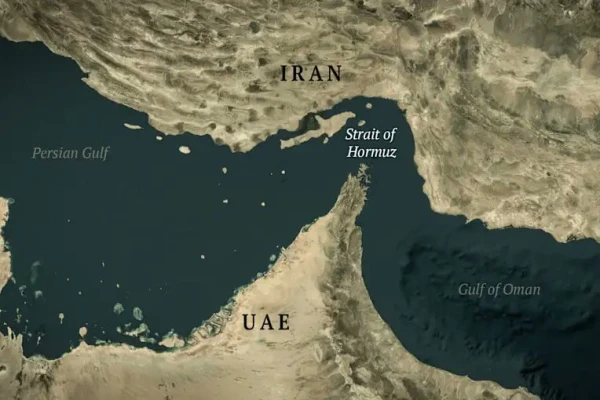
This came after Merz criticized Trump for lacking a strategy in the US and Israel's war against Iran and called for an end to military actions, as they have very negative consequences for the German economy.







Leave a comment