
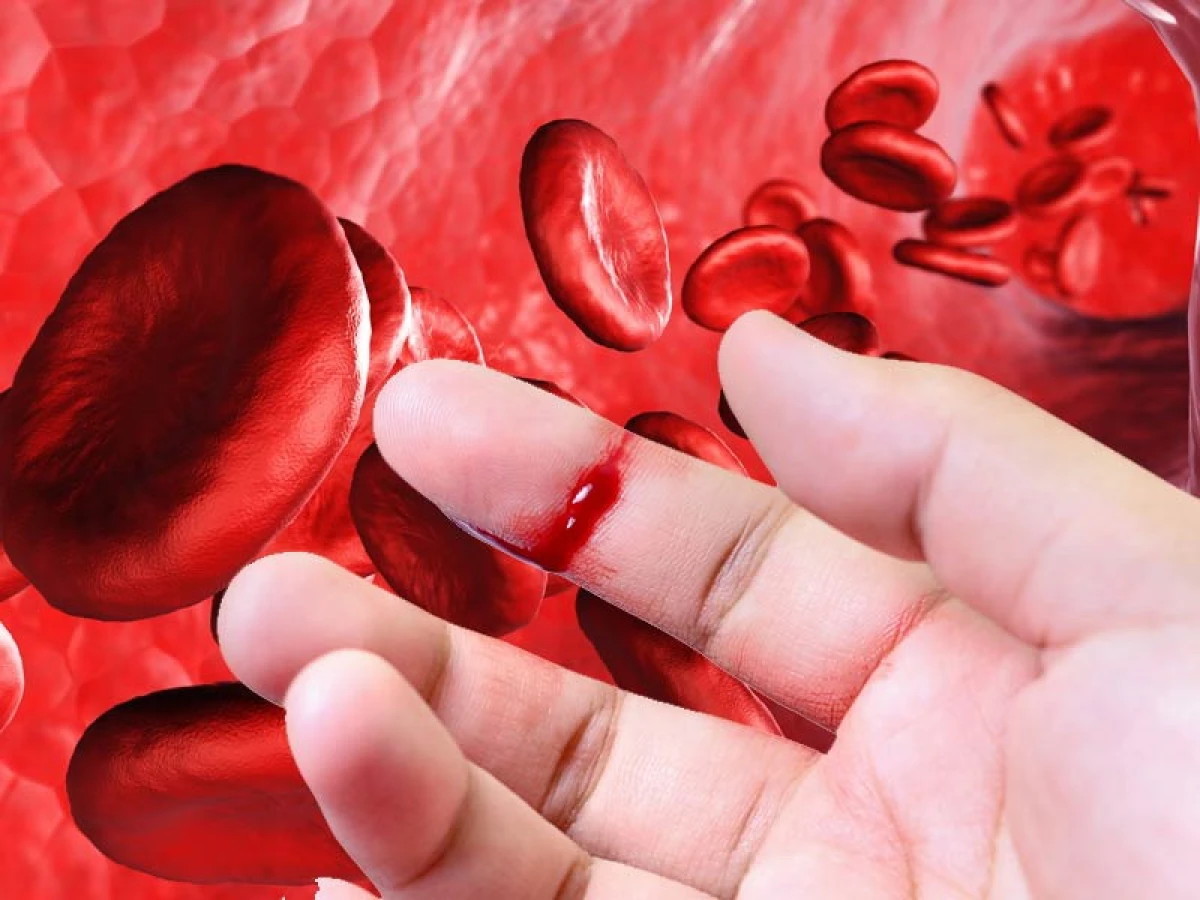
Increased blood viscosity can remain unnoticed for a long time, but it increases the risk of thrombosis, heart attacks, and strokes. Doctors note that in some cases, blood fluidity can be improved without medications—through diet, hydration, and lifestyle.
One of the key properties of blood is its rheological characteristics, that is, its fluidity and ability to move freely through blood vessels. If these properties are impaired, the likelihood of thrombus formation increases. Physician, cardiologist, and gastroenterologist Alexander Ostashkov shares recommendations on how to thin blood without the use of medications.
What is Blood Fluidity
Blood fluidity is determined by several factors. Its rheological properties are influenced by overall hydration levels, physical activity, and the presence of certain diseases such as blood clotting disorders, atherosclerosis, influenza, severe forms of ARVI, liver and kidney diseases, dehydration, prolonged use of certain medications, as well as the consumption of nicotine and alcohol.
When blood becomes too viscous, it is necessary to take measures to thin it. Otherwise, the risk of developing thrombosis and a number of cardiovascular diseases, including heart attacks and strokes, increases. Among the predisposing factors for this condition can be diabetes and chronic stress.
Alarming Symptoms
Sometimes it is difficult to suspect problems with blood viscosity on your own, as they can remain undiagnosed for a long time and exist without pronounced symptoms. Often, diagnosis occurs accidentally during a routine medical examination. Pay attention to the following alarming symptoms:
-
frequent headaches;
-
chronic fatigue;
-
shortness of breath and rapid heartbeat;
-
change in skin color (cyanosis);
-
increased sensitivity to cold and cold extremities.
However, only a doctor can accurately determine the need for measures to thin the blood. In some cases, a specialist may recommend adhering to dietary and lifestyle recommendations, as well as considering other ways to maintain the rheological properties of blood. Each of these points requires detailed attention.
Nutritional Correction
Adhering to the principles of proper nutrition is one of the effective methods for maintaining normal blood fluidity. There are products that should definitely be included in the diet, as they help maintain blood functions and its rheological properties, as well as prevent possible negative consequences.
The diet should include as many sources of omega-3 fatty acids as possible. For example, fatty fish (salmon, mackerel), as well as nuts and seeds. Healthy fats help lower bad cholesterol levels, additionally improving blood fluidity.
The diet should include fruits and vegetables that contain vitamin E. This nutrient has many beneficial properties. It is one of the antioxidants and also an anticoagulant. Sources of vitamin E include avocados, kiwis, tomatoes, spinach, and broccoli. Vegetables high in salicylates—substances that prevent thrombus formation—are also beneficial: cucumbers, tomatoes, apricots, red grapes, and some citrus fruits.
In addition to healthy foods, there are those whose quantity should be limited due to their ability to increase blood viscosity. For example, red meat, sweets, and fast food.
2. Hydration
Blood consists of formed elements and plasma—liquid. Therefore, hydration plays a key role in maintaining normal blood fluidity. It is recommended to consume about 1.5-2 liters of fluids per day. These are general figures; one must consider the level of physical activity, weather conditions, age, and health status.
However, it is important to consider which fluids can and should be consumed. For example, tea, especially green tea, and natural juices support blood fluidity due to their content of certain beneficial substances. On the contrary, drinks high in sugar and caffeine have a diuretic effect and can contribute to dehydration.
3. Active Lifestyle
The risks of thrombosis can be reduced through regular physical activity. This does not mean heavy workouts in the gym. It is sufficient to practice brisk walking, swimming, or yoga. The key is regularity. Such activities improve circulation and strengthen the cardiovascular system. Approximately 150 minutes of moderate-intensity physical activity per week is needed.
The total amount can be divided into several sessions—for example, 30 minutes a day, five days a week. The training program should include cardio and strength exercises that help strengthen muscles and improve metabolism.
Maintaining normal blood viscosity is primarily a matter of habits. A balanced diet, adequate fluid intake, and regular physical activity help reduce risks, writes bb.lv. However, if there are suspicions of disorders, it is important not to self-medicate but to consult a doctor in a timely manner for accurate diagnosis and recommendations.















Leave a comment