In a state of acute necessity, the United States has launched a large-scale operation to clear the Strait of Hormuz. To neutralize Iranian mines, the Pentagon is actively deploying advanced underwater drones; however, the path to complete safety has proven to be challenging.
The United States finds itself in an extremely vulnerable position as most of its specialized mine sweepers have been rendered inoperable. The U.S. Navy is undergoing a challenging transitional period, actively integrating the latest maritime drones into its strategy.
The Principle of Drone-Based Mine Clearance
Ships no longer head into minefields without prior reconnaissance, as drones now form the first wave of surveys. This approach allows for the creation of a highly detailed map of the seabed.
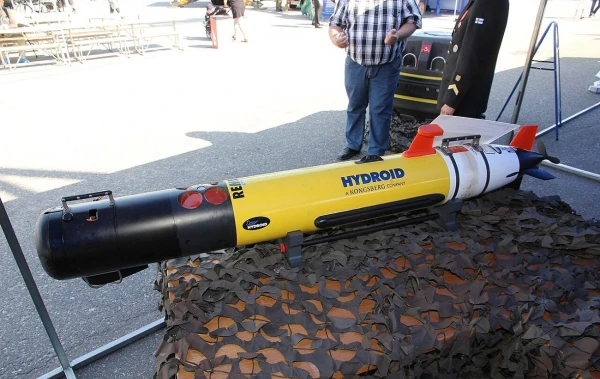
Mine detection is conducted in multiple stages using various types of drones. Underwater torpedo drones move along a predetermined grid, while their high-resolution sonar systems meticulously scan and "photograph" the seabed.
Surface drones, in turn, tow sonars, navigating through the narrowest and most inaccessible parts of the strait. Additionally, helicopters actively search for mines drifting close to the water's surface using specialized sensors.
Despite the active use of drones, the Pentagon is forced to rely on the proven "old guard." Recently, two Avenger-class ships – USS Chief and USS Pioneer – were spotted in the ocean, urgently heading from Southeast Asia to the Middle East.
Duration of the Mine Clearance Operation in the Strait of Hormuz
According to intelligence reports, Iran has placed at least ten mines in the strait. However, several experts believe that the number is significantly higher, and each one needs to be not only detected but also completely destroyed.
Simply finding a mine is just the first step, as neutralizing it requires significantly more time and effort. Operators use remotely operated robots that either detonate the mines on-site or breach their hulls.
After that, explosive ordnance disposal (EOD) teams begin manual debris clearance, which is critically important for the safe passage of tankers. The Pentagon has already informed Congress about potential timelines, warning that the operation could take up to six months.