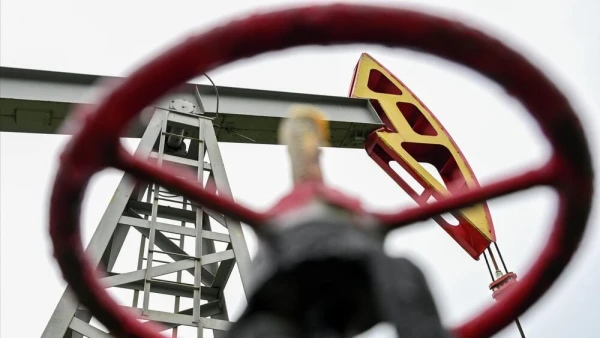
The leader of the Tisza party, Péter Madyar, announced that the upcoming government of Hungary, formed by his political force, will continue the policy of capping prices on gasoline and diesel, originally introduced by Viktor Orbán. This statement came after his negotiations with the head of the oil and gas company MOL, Zsolt Hernádi.
An important decision for Hungarian motorists was announced in Budapest. The new government of Hungary, led by the Tisza party, plans to maintain the existing price restrictions on gasoline and diesel fuel. This decision, originally introduced by Prime Minister Viktor Orbán, was confirmed by Tisza leader Péter Madyar after negotiations with Zsolt Hernádi, the head of the major oil and gas company MOL.
Key figures were present at these important consultations: Tisza's economic and energy advisors, István Kapitány and András Karman. Their participation underscored the seriousness of the discussion and the desire for a comprehensive analysis of the situation.
Important Agreements
Péter Madyar shared details of the meeting on his Facebook page. He quoted: "MOL confirmed that the uninterrupted supply of fuel to our country is ensured, despite the unstable situation in the global market. We agreed that the price cap on both diesel and gasoline will be maintained after the formation of the new government, and this will not create an additional burden on the Hungarian budget." This statement was a real relief for many citizens.
Conditions for Receiving Benefits
It is important to note that access to discounted fuel prices is available only to vehicle owners with Hungarian license plates and corresponding registration documents. This rule applies to individuals as well as farmers, freight carriers, and individual entrepreneurs, providing support to key sectors of the economy.
Potential Disagreements with the European Union
However, such a policy has caused dissatisfaction within the European Commission, which views it as an anti-market measure and discrimination against citizens of other states.