
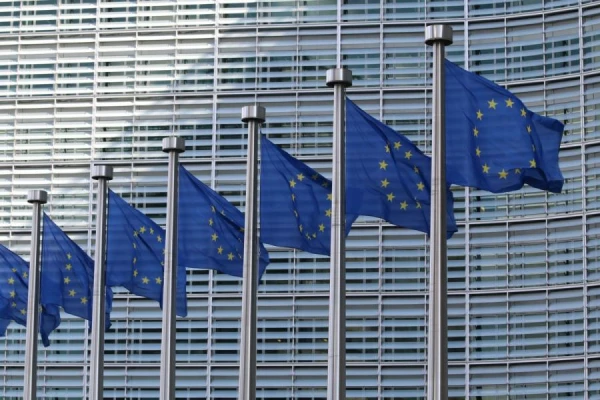
The discussion about the next multiannual budget of the European Union (EU) is moving towards raising the stakes: the European Parliament wants 10% higher funding for EU budget programs than proposed by the European Commission, writes Latvijas Avīze.
Traditionally, the EU's multiannual budget is aimed to be approved about one and a half to two years before it comes into effect, so that member states have time to prepare their national plans and programs in accordance with this budget. For example, the current version of the multiannual budget for 2021-2027 was approved in December 2020, a year before the budget came into effect, but at that time there was criticism that the budget was approved too late, so this time a more timely adoption of the budget was planned, and the EU managing bodies tried to expedite this process.
Unfortunately, it is already clear that the most difficult and complex budget negotiations are expected in 2027, rather than in the second half of 2026, as was initially planned. It is also clear that by putting forward budget proposals that significantly differ from those of the European Commission, the European Parliament will not simplify these negotiations.
The European Commission initially submitted a number of controversial proposals for the next multiannual budget: for example, to eliminate separate funding for EU border regions or to combine funding for agricultural support and cohesion funding into one package and hand it over to member states to decide how best to use it. The aim of these proposals was to make the budget simpler, more flexible, and more effective, according to the European Commission. However, the Parliament did not accept or support these proposals, expressing support for the traditional structure of the EU budget.
The most significant difference between the European Parliament's position and the European Commission's proposals is to direct the entire EU multiannual budget of €1.27 trillion towards the implementation of various programs and projects of structural funds. According to the European Commission's proposal, part of the budget funds should be allocated to repay EU loans taken out during the pandemic, but the Parliament believes that funds for debt repayment should be sought outside the budget.
"The European Parliament advocates for a budget that is sufficient and predictable," said the European Parliament's rapporteur on the multiannual budget, Siegfried Mureșan, emphasizing that the European Union is currently facing new challenges in security and competitiveness, but the previous ones - the green course, digitalization, cohesion policy, and common agricultural policy - have not gone away.











Leave a comment