Following Iran's statement on April 17 regarding the full opening of the Strait of Hormuz to all commercial vessels, global oil markets immediately reacted with a sharp drop in prices. This decision, made against the backdrop of a ceasefire in Lebanon, has caused significant changes in international energy trade.
Iran has announced the opening of the Strait of Hormuz to all commercial vessels, linking this decision to the ongoing ceasefire in Lebanon. This important news was reported by the country's Foreign Minister Abbas Araghchi through his account on the social media platform X.
"In accordance with the ceasefire in Lebanon, the passage for all commercial vessels through the Strait of Hormuz is declared fully open for the remaining period of the ceasefire along the agreed route, as already announced by the Ports and Maritime Organization of the Islamic Republic of Iran," noted the Iranian official.
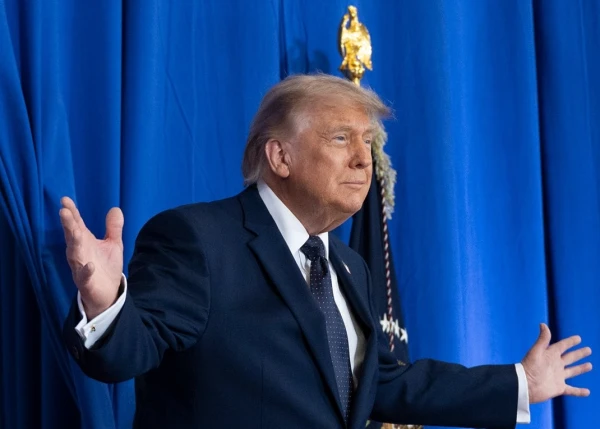
U.S. President Donald Trump also confirmed the opening of the Strait of Hormuz, making a statement on Truth Social. However, he emphasized that the American blockade against Iran will remain in effect.
"The Strait of Hormuz is fully open and ready for operation and full navigation, however, the maritime blockade will remain in full force and will apply exclusively to Iran until our agreement with Iran is completed 100%. This process should move very quickly, as most points have already been agreed upon," he stated.
International markets did not take long to react: according to Reuters, Brent crude prices plummeted by $11.12, reaching $88.27 per barrel. U.S. oil West Texas Intermediate also lost $11.40, dropping to $83.29 per barrel.
Strategic Importance of the Strait of Hormuz and Its Blockade
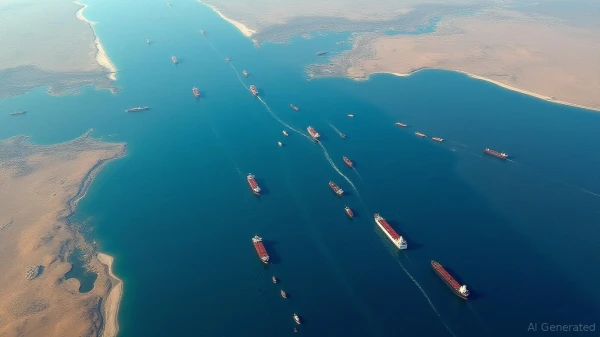
The Strait of Hormuz, through which a colossal 20-30% of the world's oil exports pass, is a key artery for international trade. Iran closed this strategically important waterway at the end of February, following the initial strikes carried out by the U.S. and Israel.
Interestingly, analyst Ilan Berman claims that the U.S. was aware of Iran's potential plans regarding the Strait of Hormuz long before the events – a full 15 years ago. He recalls an open conversation with a high-ranking military official during his visit to U.S. Central Command.
According to this interlocutor, the main concern for the American military has always been the threat of a deliberate "narrowing" of the Strait of Hormuz. This scenario envisioned Iran using various methods, such as mining, military exercises, or pursuing vessels, to provoke a global energy crisis.
It is worth noting that U.S. President Donald Trump stated on April 15 that the Strait of Hormuz was open. At that time, he emphasized that he was opening it "forever" and doing so in the interest of China, as well as "for the whole world."
Earlier, Chinese Foreign Minister Wang Yi expressed the opinion that the blockade of the Strait of Hormuz contradicts the interests of the entire international community. He called on all parties to exercise maximum calm and restraint, emphasizing China's readiness to "play a positive and constructive role" in resolving the ongoing crisis. The negotiations that took place in the capital of Pakistan over the weekend were described by him as an important step towards reducing tensions.