
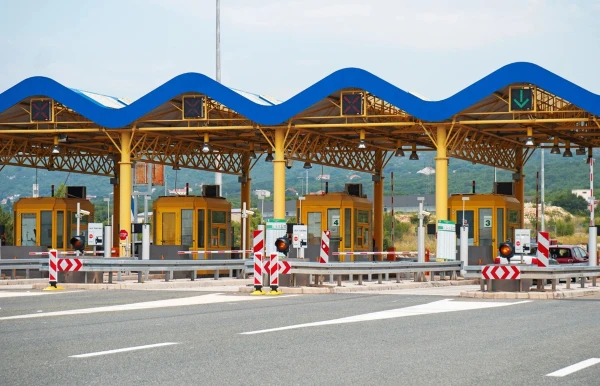
Brussels is considering three main scenarios for its enlargement policy.
The proposal by Serbian President Aleksandar Vučić and Albanian Prime Minister Edi Rama for the accelerated integration of Balkan countries into the single market and Schengen zone has met with a cautious response in Brussels. The leaders of the two countries put forward an initiative whereby candidates could gain access to the economic benefits of the EU and freedom of movement right now, voluntarily renouncing the right of veto in order not to burden the process of making pan-European decisions.
However, EU Commissioner for Enlargement Olivér Várhelyi expressed skepticism about the possibility of such an 'accelerated' procedure in an interview with Politico. In her opinion, the initiative by Vučić and Rama underestimates the complexity of the reforms needed to enter the Schengen area and integrate into the common economic system. Várhelyi emphasized that these processes require meeting the same strict conditions as full EU membership.
Currently, the European Commission is considering three main scenarios for its enlargement policy: maintaining the current order, 'gradual' integration through participation in specific programs, or a 'phased' model that implies rapid accession followed by the completion of reforms. The latter option, according to Várhelyi, has already been effectively rejected by EU countries as overly radical.
The situation is complicated by the fact that for the EU to accept new members, it needs to reform its internal operational rules. While the leaders of Serbia and Albania are trying to alleviate the concerns of Paris and Berlin by proposing a mechanism without a veto right, Brussels insists on the priority of institutional readiness and strict compliance with technical standards, excluding political compromises on integration issues.





Leave a comment