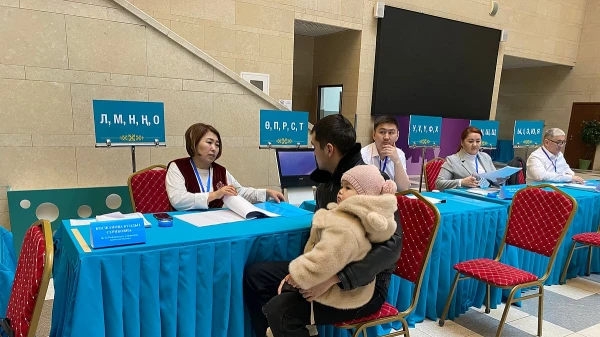
In the nationwide referendum on the new Constitution, which took place in Kazakhstan on March 15, 2026, the majority of citizens supported the adoption of the new Fundamental Law.
According to preliminary data as of the morning of March 16, 7,954,667 citizens voted for the adoption of the new Constitution. This is 87.15 percent of the number of voters. 898,099 people voted against.
These figures were announced by the chairman of the Central Referendum Commission, Nurlan Abdirov.
According to the Central Election Commission, the voter turnout was about 73.24%. In total, approximately 9.13 million people voted out of 12.46 million registered voters.
The turnout was even higher outside Kazakhstan. It is reported that the total number of Kazakh citizens who voted in 54 countries was 12,740. This provided a turnout of 88.6 percent.
Numerous international observers and representatives of foreign media, including the portal bb.lv, noted that the voting procedure for the referendum in Kazakhstan was organized in accordance with established rules, and the necessary transparency requirements were met at the polling stations.
Observers and journalists also noted the active participation of young Kazakhs in the referendum. This is partly explained by statements that the new Constitution will serve future generations of citizens of the country. In this context, the interest of young residents of the republic seems justified.
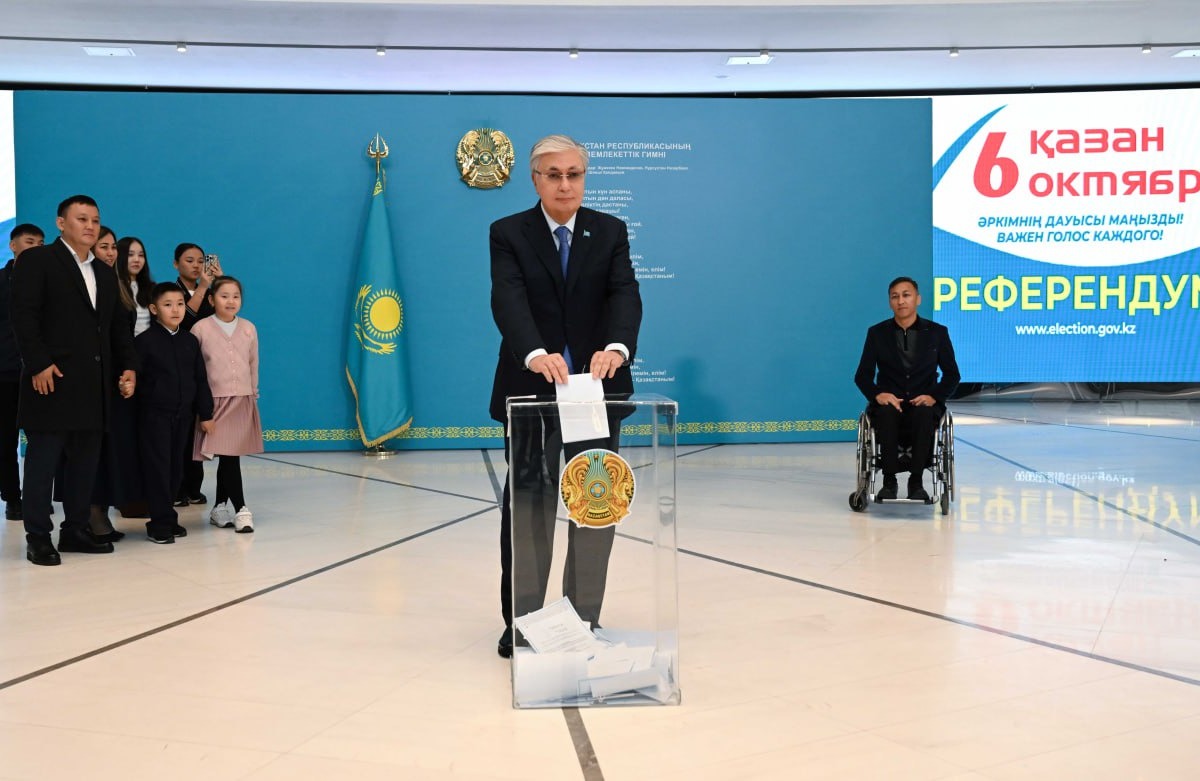
The President of Kazakhstan, Kassym-Jomart Tokayev, participated in the referendum.
What’s next?
After the announcement of the preliminary results, the Central Referendum Commission must complete the full counting of votes and approve the final official results.
After the official referendum data is announced, the new Constitution will come into force. This will happen on July 1, 2026.
About the new Constitution
The changes affected about 84 percent of the text of the Constitution of Kazakhstan.
Among the main innovations are the introduction of the position of vice president, the transition to a unicameral parliament – the Kurultai, as well as the creation of a new advisory body – the People’s Council of Kazakhstan.
The requirements for presidential candidates have also changed. Now, to be eligible to run for the head of the republic, one must be a citizen of Kazakhstan by birth, over 40 years old, speak Kazakh, have lived in the country for the last 15 years, and have a higher education. Amendments add to these requirements a minimum of five years in public service or in elected positions. The provision that the president is elected for one seven-year term remains.
The new Fundamental Law also restores the position of vice president, abolishing the position of state advisor (currently held by Erlan Karin). The vice president's role, as defined by the new Constitution, is to assist the head of state in working with parliament and the government; other powers are determined by the head of state. This position changes the order of power transfer in the republic – now, if the president resigns early, his powers are first assumed by the vice president, and only if he is unable to perform them, by the speaker of parliament and then the prime minister.
The Constitution also changes the system of legislative power: instead of a bicameral parliament consisting of the Mazhilis (lower house) and the Senate (upper house), it introduces a unicameral Kurultai. It will have 145 deputies, with a term of office of five years. To become a deputy, one must be over 25 years old, be a citizen of Kazakhstan, and have lived in the republic for the last ten years. Without the consent of the Kurultai, deputies cannot be detained, arrested, or prosecuted.
A new body will be created – the People’s Council of Kazakhstan. Its tasks will be to provide advice on important domestic issues, help strengthen national unity, submit bills to the Kurultai, and propose nationwide referendums.
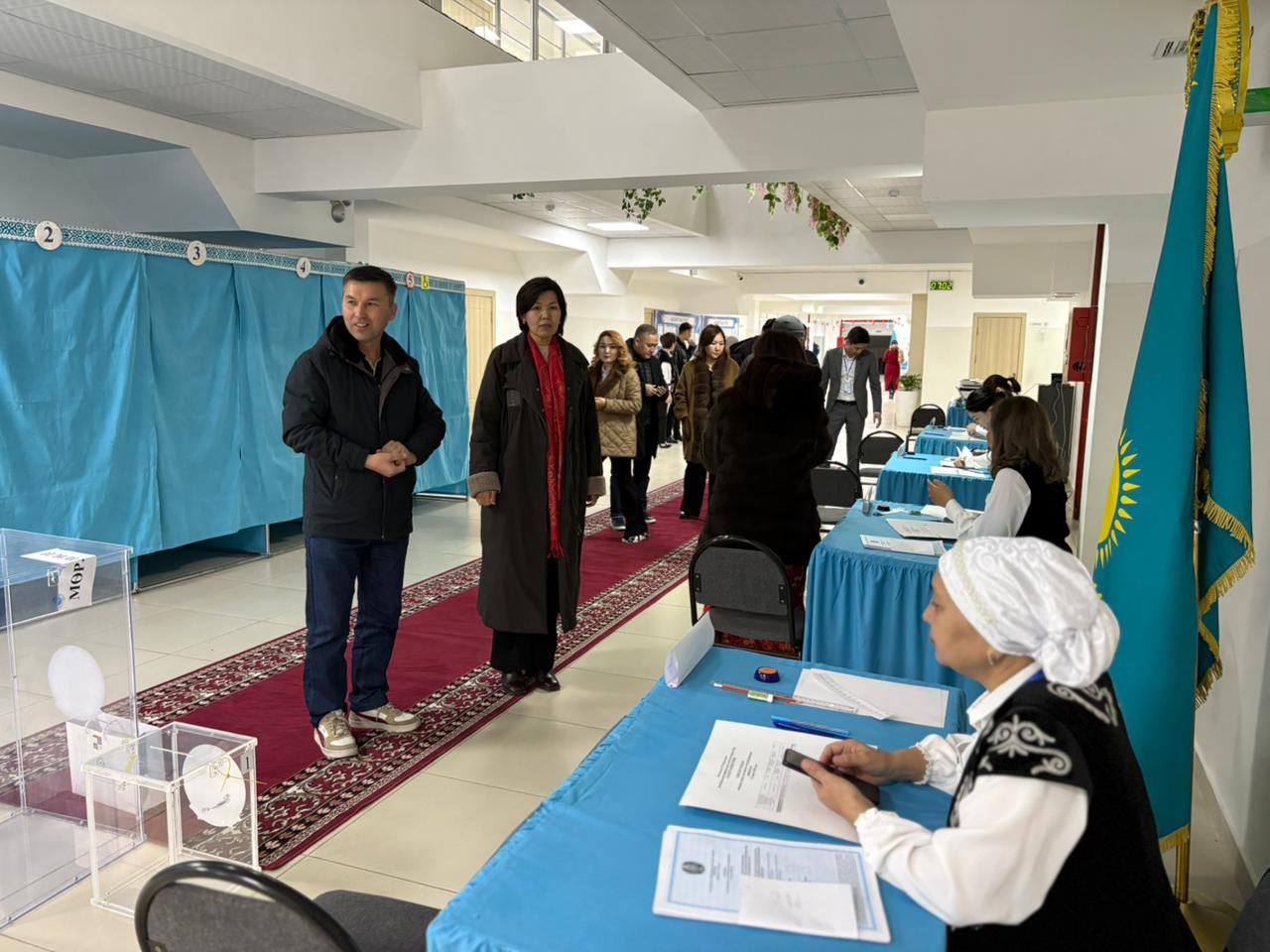
During the referendum, high voter turnout was noted.
The Constitution also includes the following fundamental provisions:
-
Prohibition of dual and multiple citizenship (previously, its existence was simply not recognized) – now this can be grounds for the annulment of a Kazakh passport.
-
The new Constitution clarifies who can enter into marriage – it is stipulated that this is a "voluntary and equal union of a man and a woman."
-
Adjustment of the status of the Russian language. As before, the Constitution states that Kazakh is the state language. Changes were made to the clause regarding the use of the language in government institutions: the previous version stated that Russian is used "on par with Kazakh," while the new one states "alongside Kazakh." The difference in meanings is explained as follows: "The first implies equal status in use, the second – use together, but not necessarily on equal terms."
The President of Kazakhstan, Kassym-Jomart Tokayev, commented on the change in the status of the Russian language ahead of the referendum. "The very fact of publishing the text of the new Constitution in Kazakh and Russian, which have equal legal force, as an official document speaks volumes and does not require comments, let alone justifications," he said.