
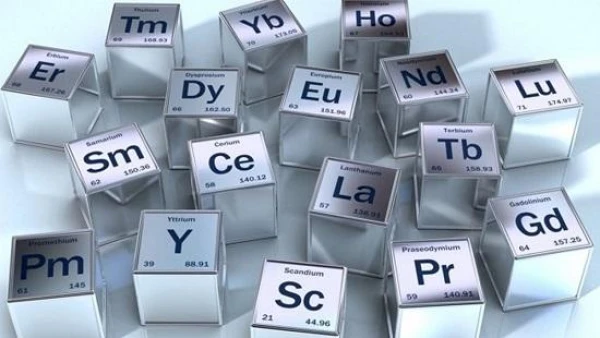
The EU is trying to reduce dependence on China and is investing in the largest rare earth metals mine in Europe, located in northern Sweden, calling it an important strategic asset. However, the mine's owner cannot obtain the necessary permits due to EU environmental laws.
The European Union is funding the Per Geijer rare earth metals mine, located in northern Sweden and owned by LKAB, to reduce dependence on China.
The deposit near Kiruna has been granted "strategic project" status under the EU Critical Raw Materials Act (CRMA), which entitles it to loans and guarantees and the use of other risk-reducing instruments. This status is intended to accelerate the extraction of materials needed for electric vehicles, wind turbines, and the defense industry.
However, strict European environmental laws and indigenous rights may slow down or block the implementation of this and other projects that are crucial for green and industrial policy.
EU Funding, Political Pressure, and Strategic Status
The European Union has committed to extracting at least 10% and processing at least 40% of strategic raw materials within the bloc by 2030.
To achieve these goals, Brussels is utilizing financial instruments such as Invest EU, the Innovation Fund, and loans from the European Investment Bank. Nearly €3 billion has been allocated for financing raw material extraction and processing projects, with northern Sweden identified as a priority region.
Granting Per Geijer strategic project status is a political and financial signal. It improves access to funding, reduces investment risks, and allows national authorities to prioritize the project in obtaining permits.
Environmental Legislation: No Exceptions or Shortcuts
But despite the importance of the project, LKAB still needs to obtain full environmental permits under Sweden's Environmental Code, one of the strictest in the EU.
This process requires detailed assessments of water, biodiversity, pollution, noise, and climate impacts, which must be reviewed by the Swedish Land and Environmental Court. Each stage can lead to delays and appeals that may last for years.
At the EU level, the Environmental Impact Assessment Directive and the Habitats and Birds Directive are fully in effect. These rules protect areas within the Natura 2000 network and endangered species, and they cannot be waived solely for industrial or strategic reasons.
While EU funding actively promotes projects like Per Geijer, EU environmental legislation provides courts, authorities, and civil society with tools for their immediate, and sometimes indefinite, halt.
Indigenous Rights: An Important Legal Aspect
The Per Geijer deposit is located on land traditionally inhabited by reindeer-herding Sámi, which entails obligations under the Swedish Constitution, the European Convention on Human Rights, and EU laws protecting minority rights and ensuring meaningful participation.
These legal requirements conflict with the EU Critical Raw Materials Act, which aims to expedite permit issuance. Legal experts warn that adhering to established standards is becoming nearly impossible.
Kiruna is now at the center of what researchers call the EU's "green course paradox": the climate ambitions of industry demand immediate action but face strong legal protections for land, biodiversity, and indigenous cultures.
Flagship Project for the Critical Raw Materials Act
In addition to the Per Geijer project, LKAB also extracts rare earth metals at its iron ore production facility in Malmberget and processes them in Luleå. All three projects have received strategic status under the CRMA.
But the limitations are clear. Strategic status does not grant expedited permitting, does not weaken environmental standards, and does not override rights protections. The European Commission can revoke the status if sustainability criteria are not met or if projects do not deliver on promises.
Structural Clash in Policy
EU institutions assert that rare earth metal extraction within the bloc is necessary. Demand for them is expected to grow more than fivefold by 2030, while Europe remains largely dependent on imports from China.
At the same time, the EU legal system is built on principles of precaution, environmental protection, and human rights-based governance. These principles provide opponents of new mines with powerful legal leverage, even when projects receive financial and political support from Brussels.
The outcome of the Per Geijer project will show whether the EU can reconcile its drive for strategic autonomy, fueled by funding, with the stringent environmental and human rights standards that underpin the Green Deal.










Leave a comment