Moscow is ready to maintain the limits for another year.
The New START treaty between the US and Russia, which limits strategic nuclear weapons, expires on February 5, 2026, and its future is uncertain: Moscow has proposed to extend the current limits for one year, but there has been no substantive response from Washington, while the US insists on negotiations for a new, broader agreement involving China, amid Russia's suspension of participation and overall tensions, which threatens to initiate a new arms race.
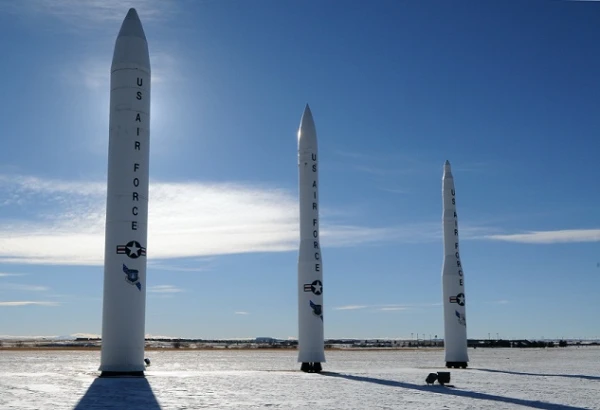
The treaty stipulated that each party would reduce and limit its strategic offensive arms so that seven years after its entry into force (and thereafter), their total numbers would not exceed: 700 units for deployed intercontinental ballistic missiles, submarine-launched ballistic missiles, and heavy bombers; 1,550 units for nuclear warheads on them; 800 units for deployed and non-deployed launchers, as well as aircraft. Thus, each party has the option to store an additional 100 carriers in a non-deployed state. "Non-deployed" refers to carriers and launchers that are not in combat readiness, but are used for training or testing and do not have warheads.
For the calculation of the total limit on warheads, each deployed and non-deployed heavy bomber is counted as one unit according to the accounting rules, while, for example, the Tu-160 aircraft can carry up to 12 nuclear cruise missiles X-55 with a range of 2,500 km.
Each party has the right to independently determine the composition and structure of its strategic offensive arms within the total limits established by the treaty. The deployment of strategic offensive arms outside the national territory of each party is prohibited.
The expiration of the Strategic Offensive Arms Treaty /New START/ on February 5, 2026, means the disappearance of the last agreement on direct limitations on missile potential, but Russia is ready to adhere to the terms of this treaty for another year, Russian President Vladimir Putin stated earlier at a meeting with the Security Council of the Russian Federation.
"Russia is ready to continue adhering to the central quantitative limits of the New START Treaty for one year after February 5, 2026. Subsequently, based on an analysis of the situation, we will make a certain decision regarding the further maintenance of these voluntary self-restrictions," said V. Putin.
The Russian president explained this decision not only by the desire to avoid provoking a further arms race but also by the wish to ensure "an acceptable level of predictability and restraint."
V. Putin noted that this measure would be viable only if the US does not take steps that undermine the balance of existing deterrent potentials.
The New START treaty was signed by the US and Russia in 2010 for a period of 10 years with the possibility of extending it for another five.
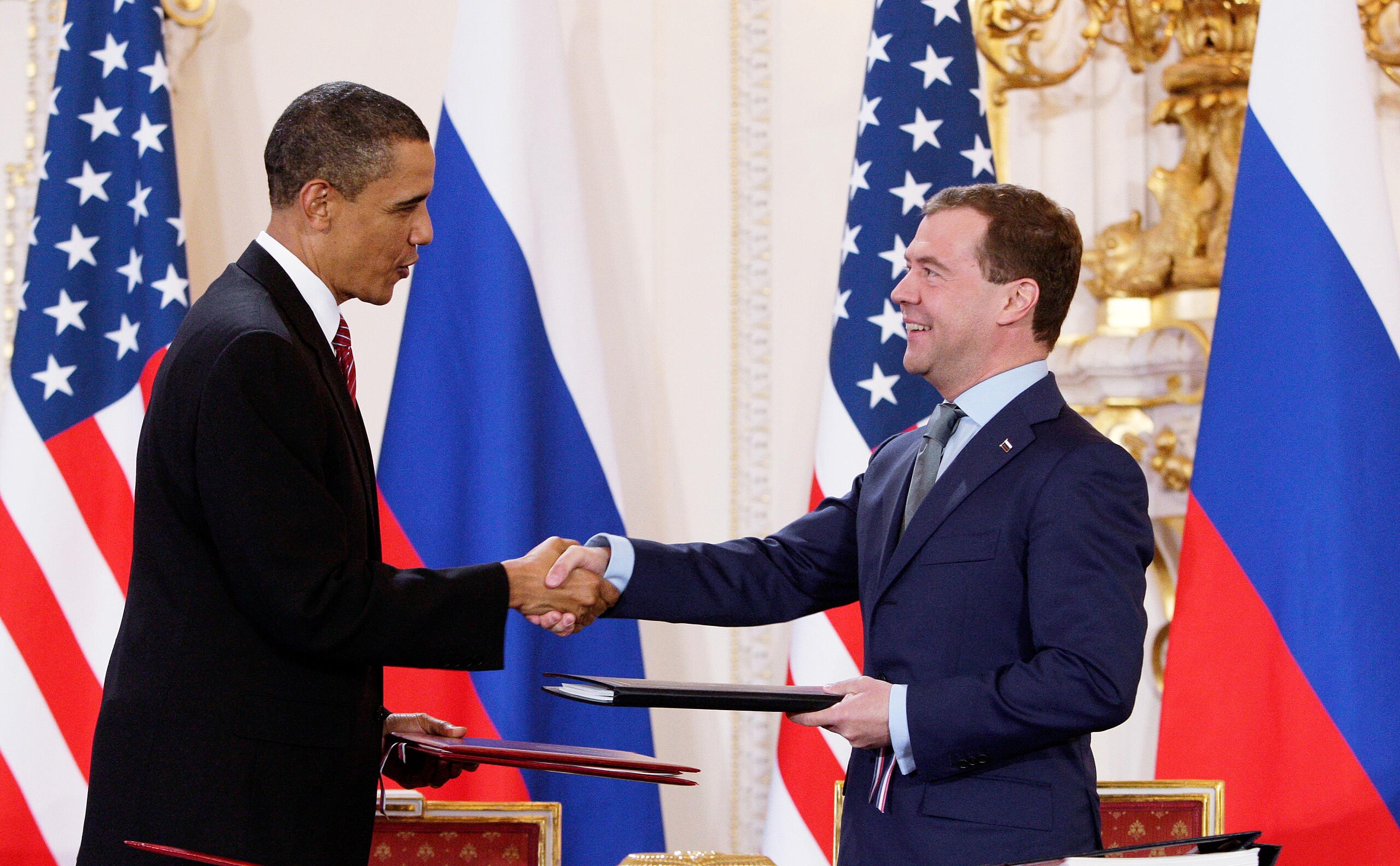
The treaty came into force in 2011. Under the treaty, the parties committed to reducing the number of intercontinental ballistic missiles, submarine-launched ballistic missiles, their launchers and warheads, as well as heavy bombers and their nuclear armaments. In 2021, V. Putin ratified the agreement to extend the treaty until February 5, 2026.
<iframe width="560" height="315" src="https://www.youtube.com/embed/AhC4QayW5BI?si=HyF0WtBjMuVMWErY" title="YouTube video player" frameborder="0" allow="accelerometer; autoplay; clipboard-write; encrypted-media; gyroscope; picture-in-picture; web-share" referrerpolicy="strict-origin-when-cross-origin" allowfullscreen></iframe>