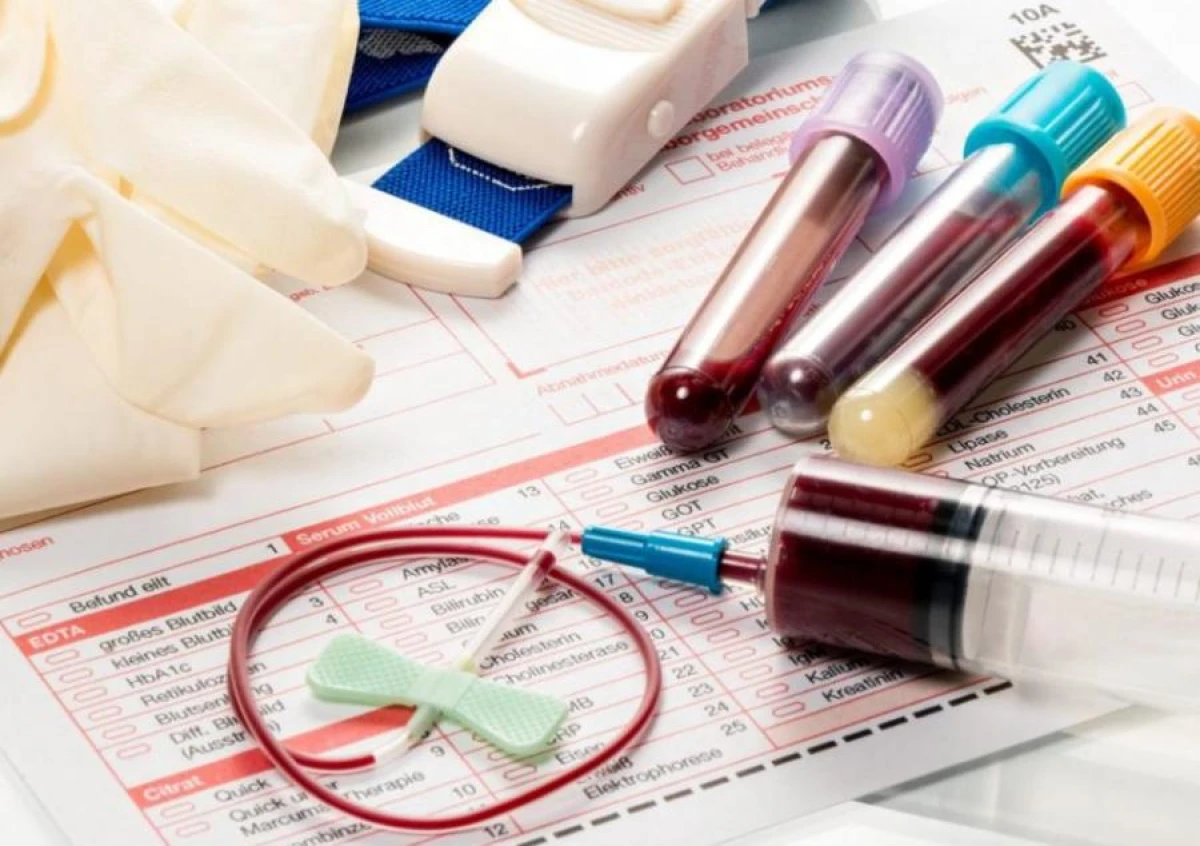
For women over 40, a period of hormonal restructuring begins, and metabolism changes. The risks of cardiovascular diseases, diabetes, and anemia increase, so the "normal corridor" sometimes becomes stricter than the overall range on the laboratory form.
This was reported by Doctor of Medical Sciences, Professor Mikhail Koryakin.
Here are the key values that should prompt a visit to a doctor (therapist or gynecologist-endocrinologist):
- Ferritin (Iron Depot)
This is the most important indicator of hidden deficiency, which is often masked by fatigue and age.
Concern should arise if it is less than 40–50 µg/L. Although the laboratory norm often starts from 10–15, at levels below 40, women over 40 may experience hair loss, brittle nails, "brain fog," and shortness of breath. It is critical if it is below 30 — this indicates iron deficiency even with normal hemoglobin. Iron supplements are necessary.
The upper limit, if ferritin is elevated (more than 150–200) — this is a reason to check the liver, inflammation markers, or rule out hemochromatosis (especially during menopause when iron stops being lost with menstruation).
- Hemoglobin (Hb)
Concern should arise when the level is below 120 g/L. This is often the last stage of iron deficiency. Many women over 40 may have mixed anemia (deficiency of both iron and vitamin B12).
The upper limit, when hemoglobin is above 150–155 g/L, at this age may indicate blood thickening (risk of thrombosis) or lung problems. Monitoring of hematocrit is required.
- TSH (Thyroid-Stimulating Hormone)
With age, hypothyroidism often manifests. Symptoms (lethargy, dry skin, weight gain) are often attributed to age.
The ideal level for planning pregnancy is up to 2.5 mIU/L.
Concern should arise if TSH is above 4.0 mIU/L (even if the laboratory states the norm is up to 4.2 or 4.5). Pay attention to the "gray zone," which is when TSH is in the range of 2.5–4.0 plus high antibodies (AT-TPO). This often indicates Hashimoto's disease and requires consultation with an endocrinologist, especially if there is fatigue and swelling.
- Glucose (Fasting, Venous Blood)
After 40, the pancreas becomes more sensitive.
Concern should arise if glucose is above 5.5 mmol/L (the official normal limit), but this is already prediabetes by old criteria.
If the level is above 6.1 mmol/L, this is definitely a risk zone, and it is necessary to determine glycated hemoglobin (HbA1C).
There is one insidious point; if the level is 5.3–5.5 mmol/L in a woman with excess weight or a family history, this is also a reason for further examination (determining glycated hemoglobin and insulin resistance index HOMA-IR).
- Cholesterol (Lipid Profile)
Estradiol protected blood vessels until age 40; now the protection decreases. Determining only total cholesterol is uninformative; it is necessary to assess its fractions.
Concern should arise primarily not from total numbers but from imbalance:
a) Low-Density Lipoproteins (LDL, "bad") above 3.0 mmol/L (for women with hypertension or diabetes — even lower, down to 2.6).
A positive test for the enzyme esterase indicates the presence of leukocytes in the urine, which is a sign of inflammation.
b) Triglycerides above 1.7 mmol/L, a marker that there is too much sugar and simple carbohydrates in the diet.
c) High-Density Lipoproteins (HDL, "good"): a decrease below 1.2 mmol/L is concerning (this deprives blood vessels of protection).
Important Summary for Age 40+:
If TSH is 4.5 +, ferritin 20 +, LDL 3.5 +, glucose 5.6, then this is the portrait of "age-related wear and tear," even if each indicator slightly exceeds the limits. Individually, they may be considered within the norm, but together they require lifestyle and dietary corrections.