
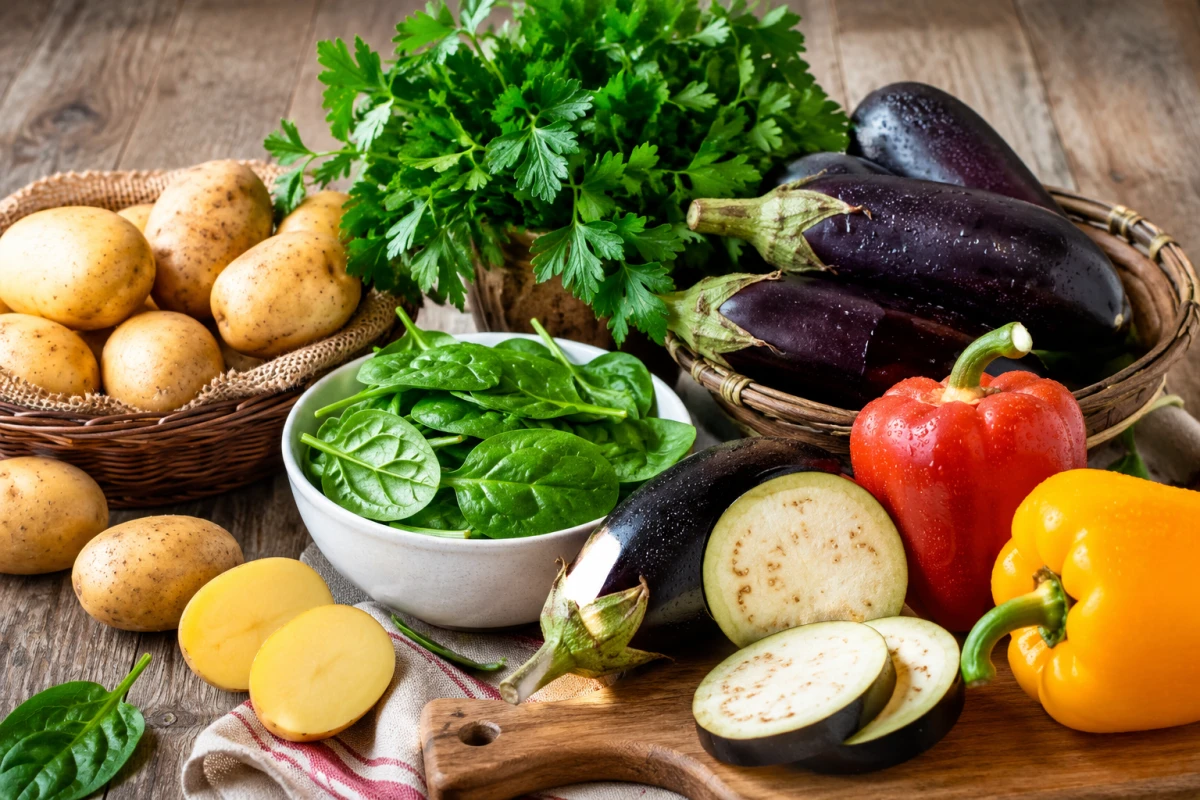
Vegetables are rightly considered the foundation of a healthy diet. They are rich in vitamins, minerals, fiber, and antioxidants that help maintain health and reduce the risk of many diseases. However, even the healthiest products can have their peculiarities, especially if consumed in excess or in the presence of certain health issues.
Experts remind us: this is not about giving up vegetables, but about a sensible approach to their consumption.
Potatoes
Potatoes remain one of the most popular vegetables in the world; however, nutritionists advise against overindulgence. They contain a large amount of starch, which can quickly raise blood sugar levels.
Moreover, if stored improperly under sunlight, solanine—a natural toxin—can accumulate in the tubers, negatively affecting the body. The green parts of potatoes are particularly dangerous and should be completely removed before cooking.
"Potatoes cannot be considered a harmful product. They contain potassium, vitamin C, and fiber. However, people with diabetes and excess weight should monitor their intake and choose baked or boiled cooking methods," explains dietitian Marina Kovaleva.
Parsley and Spinach
Greens are considered one of the most beneficial components of the diet; however, parsley and spinach can accumulate nitrates, especially when grown with a large amount of fertilizers.
Additionally, spinach is rich in oxalates, so individuals with kidney stones and certain kidney diseases are advised to consume it in moderation.
"For most healthy people, greens provide only benefits. But for those with kidney diseases, urinary tract issues, and metabolic disorders, it is advisable to discuss the diet with a doctor," notes gastroenterologist Alexey Gromov.
Eggplants
Eggplants contain a small amount of solanine, which gives the fruits their characteristic bitterness. This substance can accumulate significantly in overripe vegetables.
Before cooking, eggplants are often recommended to be soaked in salted water for a short time. This helps reduce bitterness and improve the taste of the product.
Experts also advise avoiding excessive frying, as eggplants absorb oil actively and become significantly higher in calories.
Bell Peppers
Bell peppers are rich in vitamin C and antioxidants; however, they can cause discomfort for some individuals. In particular, caution is advised for those with gastrointestinal diseases during exacerbation.
There is also evidence that members of the nightshade family, which includes peppers, may exacerbate unpleasant symptoms in some individuals with joint diseases, although scientific data on this issue remains ambiguous.
"There are no vegetables that are harmful to absolutely everyone. It is important to consider individual body characteristics and diversify the diet rather than relying on a single product," says nutritionist Elena Sokolova.
The Main Rule — Moderation
Experts emphasize that vegetables remain a crucial part of a healthy diet. The method of preparation, quality of products, and overall balance of the diet are much more significant.
Even the healthiest vegetables have their peculiarities and contraindications for certain categories of people. However, for most healthy individuals, potatoes, spinach, parsley, eggplants, and bell peppers remain valuable sources of nutrients. The key is to maintain moderation, choose quality products, and consider doctors' recommendations in the presence of chronic diseases.














Leave a comment