
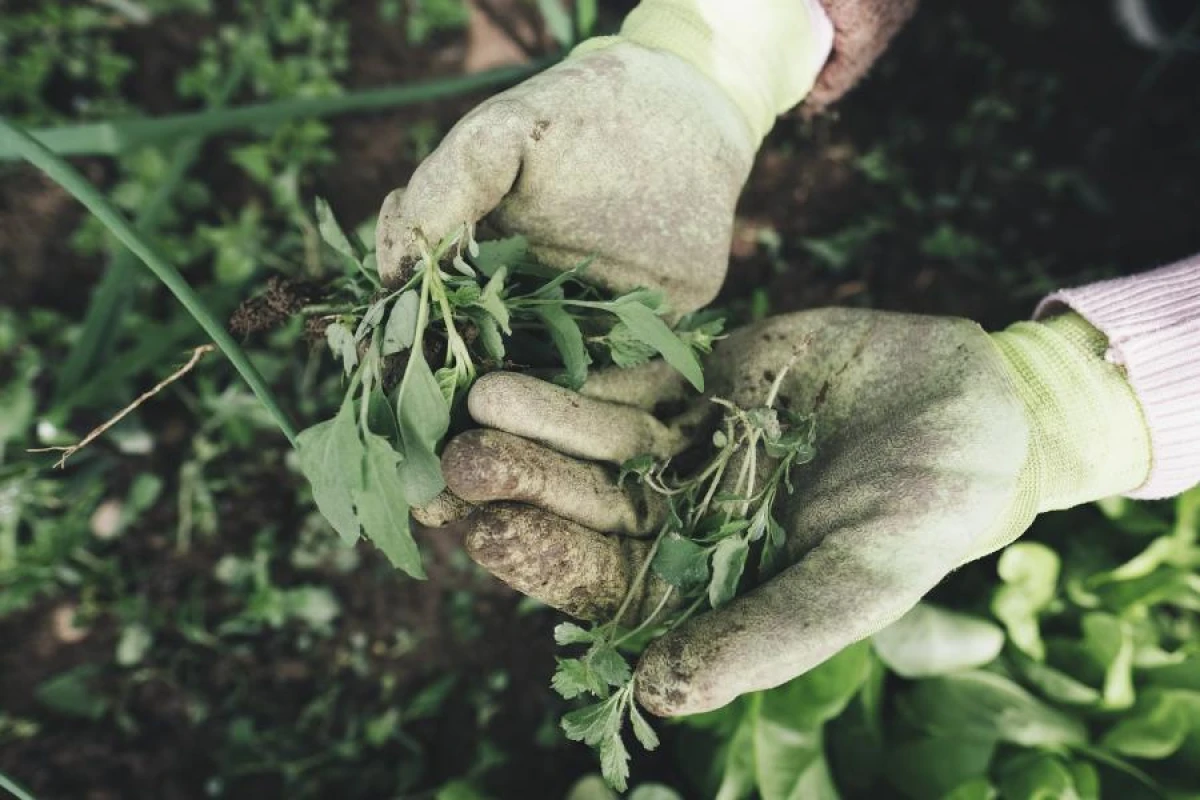
Weeds can cause a lot of trouble for gardeners, and even after weeding, they continue to grow. Let's consider effective methods for combating wild grasses.
Weed Control in the Vegetable Garden
Removing Weeds by Tilling or Weeding
The most environmentally friendly, but labor-intensive method is to remove weeds manually or with gardening tools. What needs to be done: dig, dig, and dig again. Then methodically uproot the weeds from the soil along with their roots. If any part of the root remains, a new generation of wild plants will soon appear in that spot. If manual tilling seems like a heavy task, one can request to have the garden plot processed by a tractor or tiller. However, the weeds will still need to be collected by hand.
Chemical Weed Control
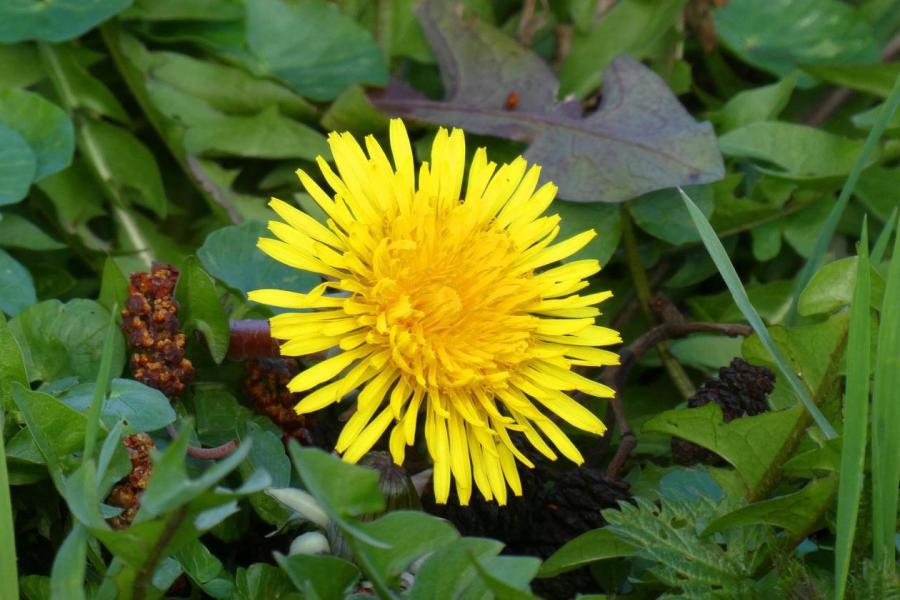
Treating with herbicides allows for the elimination of couch grass, hogweed, clover, and dandelions in just one day. Chemicals penetrate the plants, killing them. As a result, the foliage and roots die, leaving only the dried plants to be destroyed. The most effective time to spray the product is in early spring, before the wild plants have gained strength and bloomed. Mowing the grass can save on the amount of substance used. The solution is prepared in a separate container, and treatment begins immediately while wearing protective clothing. Children and pets are kept off the plot. The poison remains in the soil and decomposes over two months. Therefore, making beds for cultivated plants in the same gardening season is pointless — they will not take root.
Herbicides can be:
* Non-selective — destroy both weeds and cultivated plants, potentially leaving the area devoid of vegetation.
* Selective — affect only wild grasses, safe for garden crops.
* Contact — act on the surface.
* Systemic — kill the root system of plants.
Mulching or Covering with Agrotextile
This method allows for the removal of weeds from the garden plot in one season. In the chosen area, weeds are mowed, the sod is removed, and turned over. The area is treated with a preparation containing bacteria that accelerate the decomposition of organic matter. Then the area is covered with agro-material and left until the next spring. By the start of the season, a layer of fertile soil without weeds forms under the cover. A similar effect is achieved through mulching. The free space is covered with mulch. Without access to light, the plants lose viability and die. Suitable materials for covering include: paper, pine bark, sawdust, peat, black film.
How to Get Rid of Weeds with Fire
Garden beds with slow-germinating crops are treated with a blowtorch. The flame is moved at a small distance from the ground, not lingering too long in one spot. The wild plants die from the fire, after which the soil is watered with cool water. However, the flame burns the fertile layer of soil, so this method should be used cautiously. Burning is best done in calm weather, as it may lead to a fire otherwise.
Effective Weed Control: Green Manures
Wild grass spreads in vacant areas. In spaces occupied by plantings, annual weeds appear, which are easiest to deal with. If a bed becomes free in the middle of the season, it can be sown with green manures or other fast-growing vegetables.
Green manures grow lush green mass and outcompete the grass. This greenery is cut at the end of the season and buried in the ground. This method enriches the soil with nitrogen and prevents the spread of bacteria and fungi. Suitable plants include: legumes (peas, chickpeas, beans), cereals (oats, barley, millet), crucifers (mustard, radish, rapeseed), asters (sunflower), hydrophilic (phacelia), amaranths (amaranth, pigweed).
Folk Remedies for Weed Control
Ethyl Alcohol
This method was invented in the USA almost 100 years ago. The essence is quite simple: 30 days before sowing, the soil is treated with alcohol (150 ml of vodka is diluted in a 10-liter bucket of water). Ethyl alcohol stimulates the germination of wild grass seeds. Weeds sprout vigorously, and they are immediately weeded out. It is said that the effect lasts for two to three seasons.
Baking Soda
Baking soda is an effective and safe means of combating weeds. Dissolve 5 tablespoons of powder in a 5-liter bucket of water and water the “young plants.” The solution does not affect adult weeds. It should be applied immediately after preparation — the shelf life is 2-3 hours.
Acetic Acid
A popular folk remedy for wild plants. To prepare the solution, 600 ml of 9% table vinegar and 10 liters of water are needed. The vinegar water is poured into a spray bottle and sprayed on the plants in April and September. Care should be taken to ensure that the liquid does not come into contact with cultivated seedlings, as the harvest may be harmed.
Herbicidal Soap
Poisonous soap can be made at home. For this, take: 2 cups of water, 2 cups of 9% table vinegar, 2 cups of grated household soap. Mix all the ingredients and let it steep for 2-3 hours. Then pour the solution into a spray container and treat the overgrown areas.
Boiling Water
This method does not provide immediate results; the procedure will need to be repeated 5-7 times. However, gardeners like it due to its availability and safety for the environment. Boiling water is poured from a metal watering can onto the area with wild grass. The main thing is not to scald the legs and hands.
Table Salt
A simple and budget-friendly method for removing “uninvited guests” from the garden. Dissolve 1 kg of coarse salt in 20 liters of water and irrigate the areas with weeds. The only downside is that salty soil becomes unsuitable for growing vegetables and greens, so the solution is used to treat resting areas or barbecue spots.















Leave a comment