
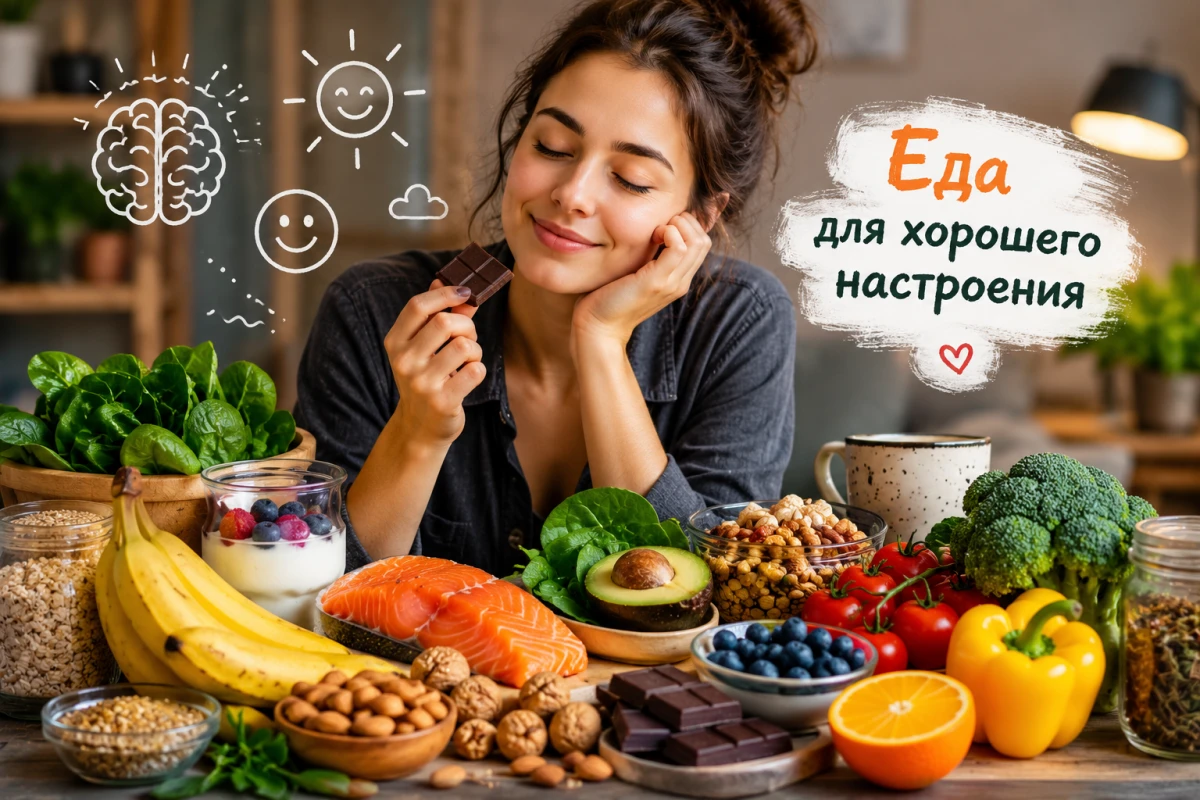
When it comes to depression, it is important to understand: it is not just a bad mood or temporary sadness, but a serious mental disorder that requires the attention of specialists. However, scientists have long established that nutrition also plays an important role in maintaining emotional health and can help the body cope better with stress and depression.
A properly selected diet cannot replace treatment, but it can become an important part of comprehensive mental health support.
Why Nutrition Affects Mood
The brain's functioning directly depends on the substances obtained from food. To produce serotonin — one of the main neurotransmitters of good mood — the body needs tryptophan, as well as B vitamins, magnesium, zinc, and other trace elements.
Dopamine — the hormone of pleasure and motivation — is equally important. Its synthesis depends on the intake of the amino acids tyrosine and phenylalanine, as well as B vitamins.
"Nutrition can indeed affect a person's emotional state. Some foods contain substances necessary for the normal functioning of the nervous system and the production of neurotransmitters responsible for mood," notes dietitian Marina Kovaleva.
Foods That Help Maintain a Good Mood
Fatty Fish
Salmon, mackerel, sardines, herring, and other fatty fish are rich in omega-3 fatty acids, which are essential for the normal functioning of the brain.
Studies show that people who regularly consume fish are less likely to experience symptoms of depression and anxiety.
Nuts
Walnuts, almonds, hazelnuts, and cashews contain omega-3 fatty acids, magnesium, selenium, and B vitamins. These substances help maintain the functioning of the nervous system and reduce stress levels.
Eggs
Eggs are a source of vitamins D, B12, and tryptophan — an amino acid necessary for serotonin production.
Fermented Dairy Products
Natural yogurt, kefir, and cheese contain calcium, magnesium, and protein. Additionally, they support gut health, which modern scientists often refer to as the "second brain" of a person.
"The state of the gut microbiota is closely related to emotional health. A balanced diet helps maintain this connection and positively affects well-being," explains gastroenterologist Alexey Gromov.
Green Vegetables
Spinach, broccoli, leafy lettuce, cabbage, and green beans contain B vitamins and antioxidants that help the body combat stress.
Bananas and Tomatoes
Bananas contain vitamin B6 and substances involved in serotonin production. Tomatoes are rich in antioxidants and amino acids that also support a good mood.
Chocolate
Quality dark chocolate can indeed improve mood due to the presence of substances that stimulate the production of endorphins.
However, specialists recommend limiting consumption to 20–30 grams per day.
Vitamin D is Important Too
Doctors pay special attention to vitamin D. Its deficiency is often associated with a decline in mood, chronic fatigue, and increased anxiety.
The main sources of vitamin D are fatty fish, eggs, dairy products, and sunlight.
"A lack of vitamin D can negatively affect not only bone and immune health but also a person's emotional background," says endocrinologist Elena Sokolova.
What Else Helps Mental Health
In addition to proper nutrition, specialists advise:
- maintaining a sleep schedule;
- regularly engaging in physical activity;
- spending more time outdoors;
- limiting alcohol;
- quitting smoking;
- maintaining social contacts.
Nutrition cannot fully cure depression, but it can be an important assistant in maintaining mental health. Fish, nuts, vegetables, eggs, fermented dairy products, and other nutrient-rich foods help the body produce "happiness hormones" and cope better with stress. If a depressed mood persists for a long time, it is important to seek help from a specialist and not try to solve the problem solely with food.














Leave a comment