Ice alleviates pain — but may hinder recovery.
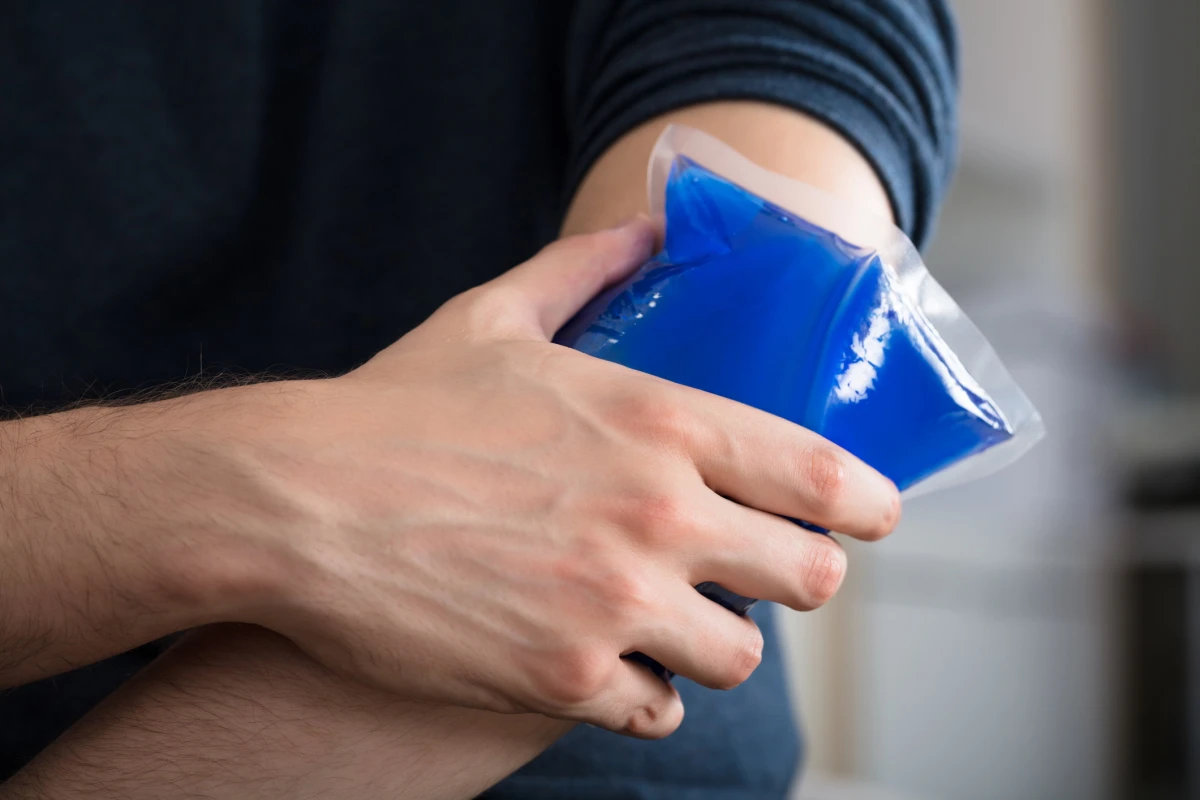
When it comes to bruises, sprains, and sports injuries, many automatically apply ice. This method has long been considered a classic first aid technique and is part of the well-known medical protocol RICE:
rest — rest;
ice — ice;
compression — compression;
elevation — elevating the injured limb above heart level.
Cold does indeed help to quickly reduce swelling and alleviate pain. However, a new study by Canadian scientists has shown that short-term relief may be accompanied by longer recovery times.
Researchers from McGill University concluded that cryotherapy can nearly double the duration of pain and slow down tissue healing.
What the Experiment Showed
In a study published in the journal Anesthesiology, scientists used two groups of laboratory mice. The animals were injected with an irritant in their hind paw, simulating a muscle injury.
After that, one group was treated with cold — the injured paw was regularly placed in ice water. The other group was kept in water at room temperature.
The results surprised the researchers themselves.
"Cryotherapy increased the duration of pain behavior in mice by about two times — from 15 days to more than 30," the scientific paper states.
Moreover, the use of ice significantly slowed down tissue recovery after the injury.
Why Cold May Be Harmful
According to the scientists, the problem is related to the function of neutrophils — immune cells that help the body suppress pain after injuries heal.
Researchers suggest that cold disrupts the activity of these cells and interferes with natural recovery processes.
When neutrophils were additionally injected into the mice, the development of chronic pain could be prevented even after cryotherapy.
"Methods that quickly reduce inflammation and pain may simultaneously hinder the biological processes necessary for full recovery," noted Lucas Lima, a researcher at the Alan Edwards Pain Research Centre.
Not Just Ice
The authors of the study reminded that similar results have previously been shown by some anti-inflammatory medications.
Non-steroidal drugs, including aspirin and ibuprofen, can temporarily relieve symptoms but may potentially prolong pain sensations in the future.
For Now, Conclusions Apply Only to Mice
Researchers emphasize that, at this point, the effect has only been proven in animal experiments. Scientists are currently testing whether a similar reaction will occur in humans — for example, after wisdom tooth removal or sports injuries.
Specialists also examined alternative methods — heat, menthol, and contrast therapy. Preliminary data suggest they did not show a significant impact on the duration of pain.
The new study has called into question one of the most popular first aid methods for injuries. Although ice does help to quickly reduce pain and swelling, scientists are increasingly wondering whether such relief interferes with the body's natural recovery. However, it is still too early to draw definitive conclusions — studies on humans are still ongoing.