
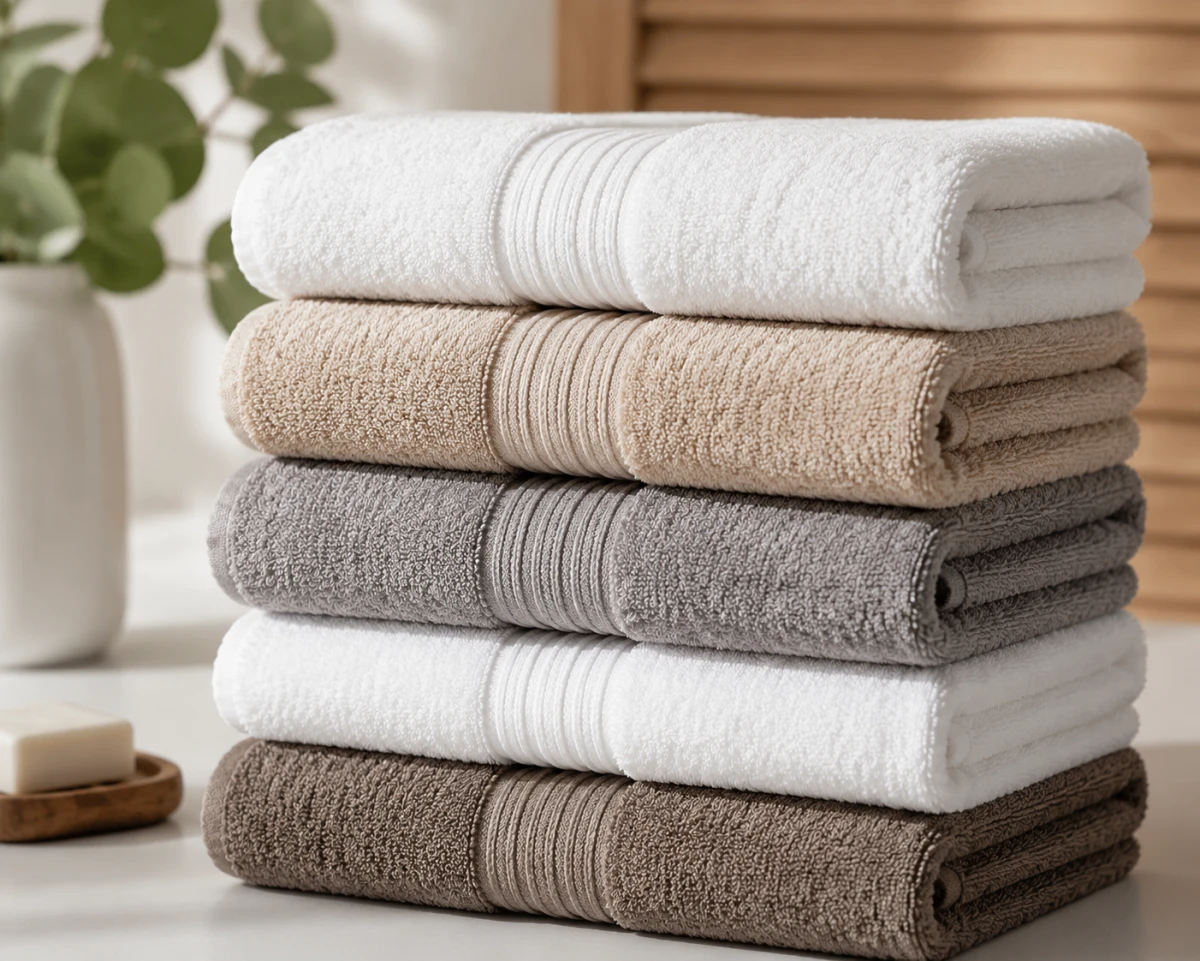
Fabric softener makes items soft and fragrant, but it is not suitable for all fabrics. Sometimes it works against us: it deprives towels and other fabrics of their natural properties, reduces functionality, and can even damage expensive materials.
7 Things You Should Never Wash with Fabric Softener
Fabric softener is not suitable for all fabrics. Sometimes it works against us — depriving items of their true properties and even damaging them.
1. Sports and Functional Clothing
Fabric softener creates a film on the fibers, disrupting the fabric's ability to absorb and wick moisture. Sports clothing loses breathability, becomes less effective, and may start to retain unpleasant odors.
2. Towels, Microfiber, and Other Absorbent Fabrics
Towels become softer and cozier with fabric softener. But the truth is that they absorb moisture worse. You wipe your hands — and the fabric glides over your skin, leaving an unpleasant sensation. Microfiber loses its "superpower" of attracting dust and moisture, becoming less suitable for cleaning.
3. Wool, Cashmere, Silk, and Other Delicate Natural Fabrics
These luxurious materials have their own rules. Wool and cashmere are valued for their volume and warmth, while silk is prized for its shiny luster. Fabric softener can strip them of their natural texture and ruin the feel of expensive fabric.
4. Down Jackets and Down Products
Creating a waxy film on down leads to clumping and loss of fluffiness and thermal insulation.
5. Water-Repellent Fabrics (e.g., Coated Raincoats)
Fabric softener destroys water-repellent properties, making the fabric less functional.
6. Printed Clothing
Fabric softener can damage prints, leave greasy stains, or alter the visual texture of the fabric.
7. Exotic, but Let's Mention It – Fire-Resistant Coated Clothing, Fire-Resistant Fabric
Using fabric softener reduces the fire-resistant properties of materials, making them less safe.
Why Does Fabric Softener Have This Effect?
Chemical Film: Fabric softeners contain cationic surfactants and silicones that settle on the fibers and create a slippery layer. This improves softness but worsens the "function" of the fabric (moisture wicking, absorption, thermal insulation).
Buildup and Clogging: Regular use leads to buildup, reduced effectiveness of the fabric, and even issues with appliances (irons and washing machines).
Fabric softener improves softness, but the chemical film on the fibers reduces the fabric's ability to absorb moisture, wick sweat, retain heat, and maintain water-repellent properties. To keep items functioning, it is advisable to use fabric softener selectively, avoiding sports clothing, towels, microfiber, delicate fabrics, down products, water-repellent, and fire-resistant materials.












Leave a comment