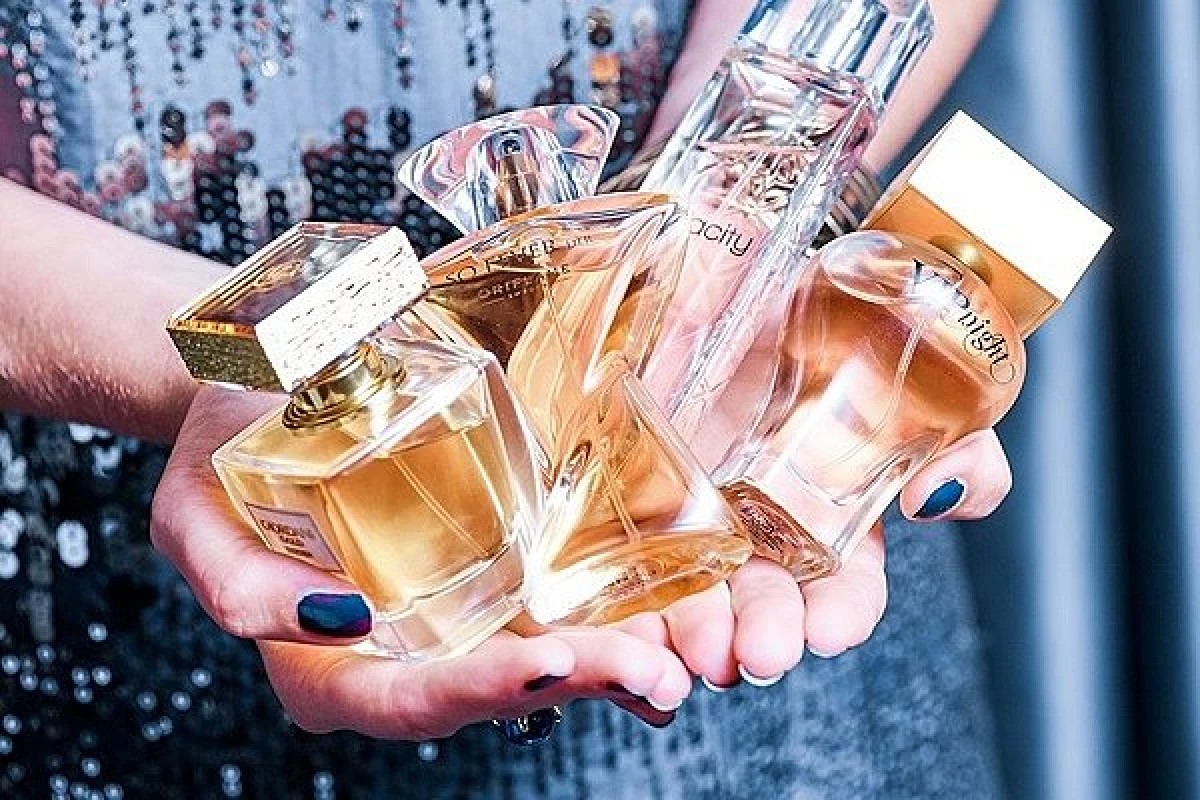
In the beauty industry, there is an increasing discussion about the so-called "fragrance wardrobe" — a system of conscious fragrance selection, where each one serves its function. Experts note that the idea of a single "universal" perfume is gradually fading into the past, giving way to a more flexible approach that considers different life scenarios and moods. Analogous to clothing, fragrance becomes part of the image and should match the situation — from work to relaxation or an evening outing.
Why One Fragrance Is Not Enough
Experts emphasize that the modern pace of life involves changing roles — a business meeting, a walk, a date, or a trip requires different "sounds." The same perfume cannot perform equally well in all these situations. Additionally, there is an adaptation effect: with constant use of one fragrance, a person stops perceiving it, which can lead to excessive application and discomfort for those around.
How Many Fragrances Are Needed
Experts agree that the optimal basic set is 3–5 fragrances. This is enough to cover most life situations and avoid excessive purchases. Such a "capsule" approach helps not only simplify the choice but also make it more meaningful: it is better to have a few well-chosen fragrances than dozens of random ones.
Basic Categories of Fragrances
When creating a fragrance wardrobe, specialists recommend focusing on functionality:
-
Daytime fragrance — light, neutral, suitable for work or everyday activities;
-
Evening fragrance — richer and more expressive, for events and meetings;
-
Relaxation fragrance — soft, soothing, associated with comfort;
-
Seasonal fragrance — fresher for warm weather or warm, spicy for cold;
-
Accent fragrance — a bold scent for special occasions or moods.
This distribution allows for selecting a scent for a specific situation without creating a dissonance between the image and the fragrance.
What to Consider When Choosing
Experts advise considering several factors:
-
the fragrance's alignment with lifestyle and style;
-
seasonality and weather conditions;
-
skin reaction, as the same perfume reveals itself differently;
-
appropriateness in a specific situation, especially in a work environment.
It is also important to avoid spontaneous purchases and to focus not only on trends but also on personal preferences.
Conscious Approach Instead of Chaotic Purchases
The modern approach to perfumery is increasingly linked to the concept of conscious consumption. Instead of accumulating a large number of bottles, experts recommend forming a thoughtful collection where each fragrance has its purpose. This principle not only simplifies everyday choices but also makes the image more harmonious and cohesive.
Perfume as "Invisible Clothing"
Specialists compare fragrance to the final touch of an image — "invisible clothing" that creates a first impression even before visual contact. Therefore, the proper selection of a fragrance wardrobe becomes not just a matter of taste but a tool for self-presentation. Thus, a basic collection of several fragrances allows for adapting the image to different situations and makes the use of perfume more meaningful and effective.