Individuals with a hereditary mutation of the TP53 gene may face a 90% risk of developing cancer by age 60. This was reported by researchers from the Walter and Eliza Hall Institute of Medical Research (Australia) in a comment for The Conversation.
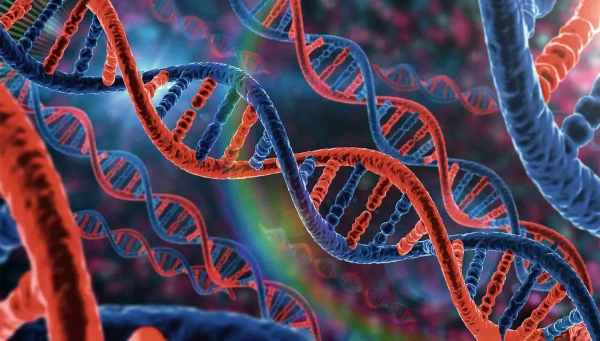
The TP53 gene plays one of the key roles in protecting the body from tumors. Normally, it is responsible for producing a protein that recognizes damaged cells and initiates their destruction if they begin to divide improperly. However, in the case of a hereditary mutation, this protective mechanism fails to function properly.
As a result, cells with damaged DNA continue to accumulate errors and proliferate uncontrollably, significantly increasing the risk of cancer development.
The TP53 mutation is the basis of Li-Fraumeni syndrome—a rare hereditary condition in which the likelihood of developing various types of cancer throughout life is extremely high. According to experts, by age 60, the risk can reach about 90%.
Scientists note that in most cases, cancer develops due to the accumulation of mutations in DNA. The body has specific mechanisms for "repairing" genetic damage; however, if the genes responsible for this process are themselves damaged, the system ceases to function effectively.
Such genes also include BRCA1 and BRCA2—mutations in these genes are associated with an increased risk of breast, ovarian, and prostate cancer. Nevertheless, disruptions in TP53 are considered among the most significant in terms of genetic predisposition to oncological diseases.
Experts emphasize that it is impossible to change inherited genetic traits. However, reducing the impact of external risk factors can play an important role in prevention. This includes quitting smoking and excessive alcohol consumption, protecting against ultraviolet radiation, engaging in regular physical activity, and maintaining a balanced diet.
Thus, even with genetic predisposition, lifestyle remains an important factor influencing overall health and the likelihood of developing diseases.