The feeling of happiness throughout life changes unevenly. Numerous studies show that it develops along a so-called U-shaped curve: it first decreases, reaches a minimum point, and then begins to rise again. Scientists have determined at what age people most often feel the most unhappy.
Life's difficulties — illnesses, financial problems, divorces, or losses — can arise at any age. However, statistics allow us to identify the period when the subjective feeling of happiness decreases the most.
Interestingly, this is not old age at all. On the contrary, older people often demonstrate the ability to enjoy simple things and appreciate everyday moments — skills that are directly related to life satisfaction levels.
According to research, the dynamics of happiness look as follows:
18–29 Years
At this age, the level of happiness is relatively high but unstable. Young people may be troubled by uncertainty about the future, but this is compensated by energy, ambition, and readiness for change.
30–39 Years
Life satisfaction levels begin to gradually decline. The number of responsibilities increases, stress levels rise, and there is less time for oneself. The novelty effect, characteristic of earlier ages, also fades, which affects emotional well-being.
40–55 Years
This period is considered the most challenging. According to Dartmouth College economics professor David Blanchflower, the "minimum" of happiness occurs around the age of 47. Analysis of data from millions of people across different countries also shows that the lowest level of life satisfaction is observed around the age of 49.
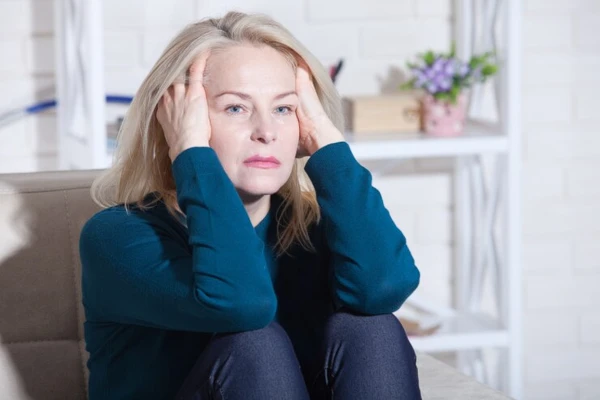
During this time, many face feelings of loneliness, fatigue, sleep problems, and increased stress levels. Doubts about one's decisions arise, along with a sense of stagnation and questions about the meaning of what has been achieved. However, this stage is not permanent — the situation changes over time.
56–69 Years
After a period of decline, the feeling of happiness gradually returns. People start to perceive life differently, becoming calmer and more accepting. Awareness of their strengths and weaknesses helps them achieve inner balance.
This is also influenced by changes in life circumstances: children grow up and become independent, daily stress levels decrease, and there is more time for oneself and personal interests.
70 Years and Older
The level of life satisfaction unexpectedly turns out to be high. People compare themselves less with others, do not fixate on trivialities, and more often experience a calm, stable form of happiness.
At the same time, the perception of happiness changes: while in youth it consists of bright emotions and bursts, in maturity it becomes a feeling of harmony, inner peace, and the ability to appreciate simple moments.