
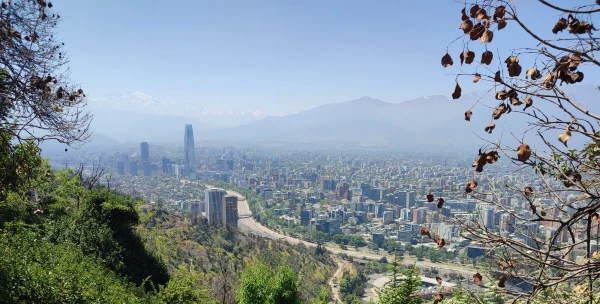
Chile attracts travelers with its unique nature, contrasting landscapes, and rich culture. However, when planning a trip to this remote country, it is important to consider a number of nuances in advance — otherwise, even a long-awaited vacation may be overshadowed by troubles.
How to Get There and Plan Your Route
There are few direct flights from Europe to Chile, so most often the flight involves a layover. The main point of arrival is the capital, Santiago. Within the country, it is most convenient to travel by plane or bus: the distances are vast, and transfers can take a lot of time.
When is the Best Time to Go
The seasons in Chile are opposite to those in Europe. Summer lasts from December to March — this is the best time for beach holidays and traveling around the country. Spring and autumn are suitable for those who want to avoid the influx of tourists and enjoy mild weather, while winter is ideal for lovers of ski resorts in the Andes.
How Much Time to Allocate for the Trip
If you have only a week or a little more, it is wiser to focus on one region — for example, the Atacama Desert, Patagonia, or the Lake District. For a more intense itinerary that includes different parts of the country, it is better to plan for 2–3 weeks.
Getting Around the Country
For long distances, domestic flights are suitable, and the bus network covers almost the entire country. In cities, it is safer to use licensed taxis or apps. In remote regions, it is often more convenient to rent a car or travel with a guide.
Driving and Road Conditions
Overall, the roads in Chile are good, and driving is safe. However, in the southern regions, especially in Patagonia, conditions can change rapidly: there are gravel roads, strong winds, and long distances without infrastructure. It is better to plan routes in advance, have a supply of water, food, and cash.
Safety and Possible Risks
Chile is considered a relatively safe country, but tourists should be attentive to their personal belongings — especially in large cities. Pickpocketing most often occurs in crowded places, public transport, and tourist areas. It is also important to consider natural features: the country is located in a seismically active zone, where earthquakes and volcanic activity are possible.
Local Traditions and Behavior
Chileans are friendly and value politeness. It is customary to greet when entering a store or restaurant, and tips usually amount to about 10%. Lunch here is the main meal, and dinner can start quite late. Knowing Spanish will significantly simplify communication, especially outside tourist areas.
...A trip to Chile is an opportunity to see completely different natural worlds in one country: from deserts to glaciers. But for the journey to be comfortable, it is important to plan the route in advance, consider the climate, distances, and local features. Then the trip will truly be unforgettable — without unpleasant surprises.













Leave a comment