Home teeth whitening is becoming increasingly popular due to its accessibility and simplicity. However, specialists warn that behind quick results may lie serious risks to enamel and gums. We explore when such a procedure is justified and when it’s better to refrain.
How Home Whitening Works
Teeth whitening is based on the use of active substances — most often hydrogen peroxide or carbamide, which act on the pigments in the enamel and lighten it.
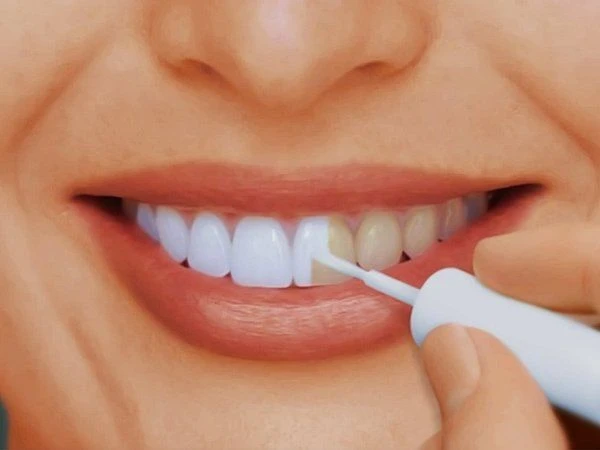
Different formats are used at home: special gels, strips, trays, or whitening pastes. They can lighten teeth by several shades, but the result is usually less pronounced compared to professional procedures.
Advantages of the Home Method
Among the main advantages, experts highlight:
-
Accessibility. These products are cheaper than professional procedures.
-
Convenience. The procedure can be performed at home at a comfortable time.
-
Moderate effect. Lightening by several shades makes the smile visually brighter.
However, specialists emphasize that the safety of such methods largely depends on proper application and prior consultation with a doctor.
Main Risks and Possible Consequences
Despite its popularity, self-whitening can lead to a number of problems:
-
Damage to enamel and microcracks when using aggressive or abrasive products.
-
Irritation and burns of the gums, especially with improper application of the compositions.
-
Increased tooth sensitivity due to enamel demineralization.
-
Risk of dental diseases, including cavities and gum inflammation.
-
Uneven shade of enamel if the procedure is performed without specialist control.
"Folk" methods — baking soda, charcoal, or acids — are considered particularly dangerous as they can destroy the protective layer of the teeth.
When It’s Better to Avoid the Procedure
Dentists do not recommend whitening at home if:
-
there is increased tooth sensitivity,
-
there are cavities or inflammations,
-
the enamel is damaged,
-
there is an allergy to the components of the products.
In such cases, the procedure may exacerbate existing problems.
What Specialists Say
Experts agree that whitening itself is not dangerous if done correctly and following all recommendations.
The safest approach is one where even home products are used under the supervision of a dentist — this helps reduce risks and select the optimal whitening method.
...Home teeth whitening can be an effective and convenient way to improve the appearance of your smile. However, without a proper approach, it can harm enamel and gums.
Specialists recommend considering such procedures as part of comprehensive care and always consulting with a doctor before starting — this will help achieve results without compromising health.