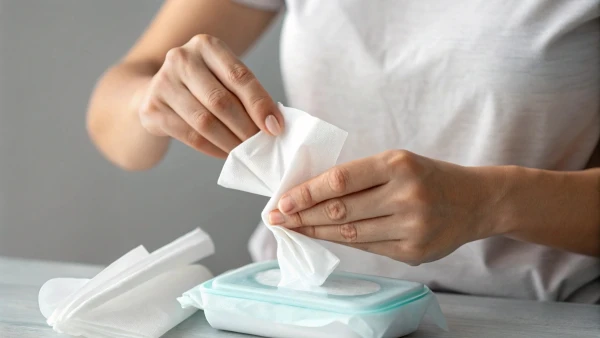
Some items can be damaged after using such wipes.
Disinfecting wipes are an effective cleaning tool that is worth having in your arsenal. They are great for disinfecting non-porous surfaces and frequently used items in your home. However, despite their versatility, disinfecting wipes have limitations, writes Martha Stewart.
"Most disinfecting wipes contain harsh synthetic chemicals that can damage and discolor certain surfaces and materials in your home," the article explains.
Therefore, cleaning experts have identified household items that should never be cleaned with disinfecting wipes.
Wooden Surfaces
Wood is a delicate material that can warp or dry out if the wrong cleaning agents are used.
"Disinfecting wipes contain harsh chemicals and alcohol that can damage the wood's finish, dry it out, and over time cause warping or discoloration," warned Clean Mama founder Becky Rapinchuk.
Therefore, the expert recommends using a special wood cleaner or a damp microfiber cloth with a drop of dish soap.
"Immediately dry and apply wood conditioner if necessary," she added.
Painted Walls
Although walls can easily get dirty, do not wipe them immediately with disinfecting wipes.
"Disinfecting wipes can often remove paint or leave streaks, especially on flat or matte surfaces," emphasized Alicia Sokoloski, president and co-chair of AspenClean.
Instead, she advises using a soft cloth or sponge with mild dish soap and water, then gently rinse and dry them.
Electronic Screens
According to Rapinchuk, cleaning screens such as TVs, smartphones, tablets, and laptops with disinfecting wipes can remove the anti-glare and oleophobic coatings from the screens, causing permanent damage.
Therefore, to protect your electronics from damage, Sokoloski recommends using a microfiber cloth dampened with a solution of equal parts water and isopropyl alcohol.
"Gently wipe in circular motions, without pressing too hard," the expert advises.
Natural Stone Countertops
If your countertops are made of natural stone such as granite, marble, or soapstone, wiping them with disinfecting wipes can damage the surface.
"The chemicals in disinfecting wipes, especially bleach and citric acid, break down the sealant on granite and natural stone, making them vulnerable to stains and scratches," noted Rapinchuk.
Therefore, experts recommend using a pH-neutral cleaner or a small amount of dish soap with warm water and a soft cloth. After cleaning, be sure to rinse thoroughly and dry.
Fabric or Upholstery
Stains on fabric or upholstery are inevitable, but cleaning them with the wrong agents can make the situation worse.
"Harsh chemicals in disinfecting wipes can discolor fabric, weaken fibers, or leave sticky residues," explained Sokoloski.
Instead, she recommends using a fabric-safe cleaner or mild soap with water.
"For cushions or carpets, blot the stains with a damp cloth rather than rubbing," the expert advised.
Cooking Utensils
For cleaning items such as cutting boards, knives, and dishes, always use hot soapy water.
"Some disinfecting wipes leave residues that are dangerous to ingest, especially on items that come into direct contact with food," Sokoloski warned.
For additional disinfection, she recommended using a diluted solution of bleach that is safe for food-contact surfaces.
"The recommended maximum is 1 tablespoon of regular bleach per 3.8 liters of water when disinfecting food-contact surfaces," clarified Martha Stewart.
Leather
Disinfecting wipes can dry out leather furniture, resulting in cracks and fading, explains Rapinchuk.
Therefore, she advises cleaning this material with a special leather cleaner and then applying a conditioner to maintain its elasticity and protect it.
Copper or Brass
"The chemicals in disinfecting wipes can cause discoloration and tarnishing of copper and brass surfaces. Instead, clean them with a paste made from equal parts flour, salt, and white vinegar, or use a special metal cleaner. Rinse thoroughly and dry," the expert emphasized.