
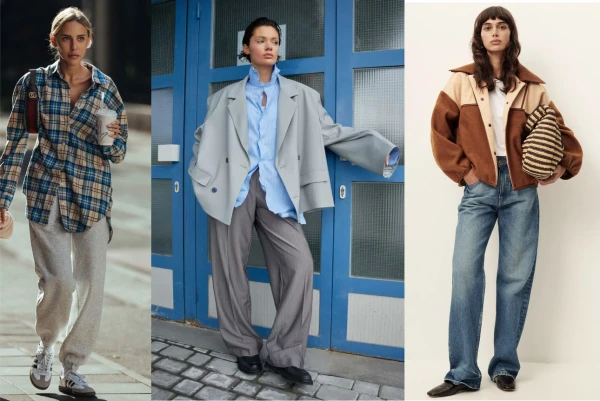
In 2026, gender-neutral fashion is increasingly perceived not as a narrow experimental category but as part of everyday clothing for people who value comfort, simplicity of combinations, and freedom of self-expression. The basis of this approach is not an attempt to follow a fashionable "aesthetic," but a desire to free the wardrobe from rigid "masculine" and "feminine" labels.
The trend is also reaching the mass market: major retailers are introducing collections and sections without gender specification, making clothing choices focused on shape, fit, and individual style rather than gender identity.
What is Currently Called Genderless Fashion
Gender-neutral style is built around the principles of universality:
• straight silhouettes and minimalist cuts;
• absence of explicit "masculine" or "feminine" connotations;
• clothing items that can be easily mixed and matched regardless of gender.
Key elements include straight jackets and blazers without a pronounced waist, loose shirts, straight trousers and mid-rise jeans, as well as minimalist knitwear and outerwear in simple shapes. Such items easily become the foundation of a basic wardrobe, as they combine comfort and versatility — they are worn in the city, at work, or in informal settings.
How to Adapt Neutral Style to Yourself
Experts recommend focusing not on excluding "feminine" or "masculine" details, but on personal preferences: proportions, fabrics, and clever combinations with accessories are important. Simple basic items are best complemented by details that emphasize individuality — shoes, jewelry, or hairstyles.
This approach aligns with broader industry trends: premium brands and streetwear labels are increasingly blurring gender boundaries, offering collections that cater to a diversity of bodies and styles.
Why This is Important Right Now
Gender-neutral fashion reflects deeper changes in society: people are seeking clothing that does not dictate roles and expectations but helps them express themselves. This is also facilitated by e-commerce platforms, where filters have already stopped being limited to traditional divisions into "men's" and "women's" categories.













Leave a comment