
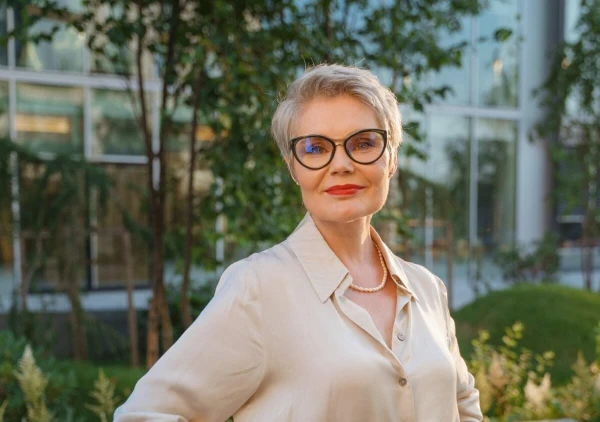
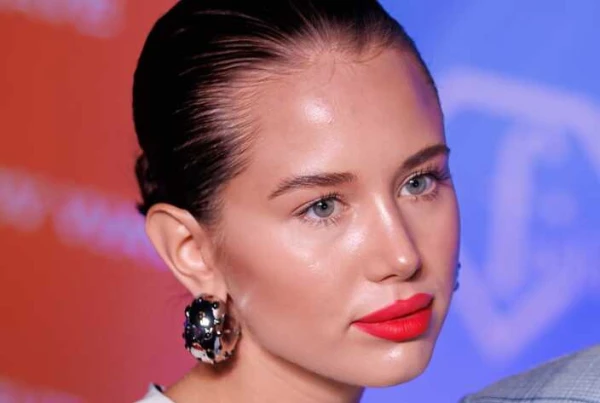
Sometimes, when encountering unusually fresh-looking women, one can't help but wonder: where does time hide? It seems that their age is well past the average, but their appearance and inner attitude remain youthful, as if time is running backward — inspiring those around them with their energy and beauty. What is the secret of such an effect? Could it all be just genetics?
Genetics Is Not Everything
It’s not just about heredity. In fact, a significant role is played by the cumulative influence of both genetic and behavioral and psychosocial factors that accumulate over a lifetime. Chronological age does not always reflect the actual state of the body — doctors and scientists assess the so-called biological age, which is shaped by heredity and the environment, much more accurately.
Genetics sets the baseline parameters: skin type, the rate of collagen production decline, the distribution of subcutaneous fat, and the response to oxidative stress. However, this is only a predisposition, not a guarantee of youth — appearance in adulthood also depends on living conditions.
What Accelerates External Aging
One of the key factors of premature aging is chronic exposure to ultraviolet light, which damages collagen and elastin fibers, alters skin pigmentation, and leads to early wrinkle formation, especially noticeable by the ages of 40–50.
An unhealthy lifestyle — smoking, frequent alcohol consumption, sleep deprivation, low physical activity — worsens microcirculation, intensifies inflammatory processes, and disrupts tissue regeneration, affecting not only the skin but also muscle tone, blood vessels, and posture, creating a visually "tired" appearance.
Psycho-emotional state also plays a significant role — chronic stress increases cortisol levels, accelerating collagen breakdown and contributing to the formation of expression lines associated with aging.
Nutrition and Lifestyle: How They Affect
What we eat affects our appearance through the availability of building and regulatory components of metabolism. A deficiency of protein, vitamins, and trace elements, as well as frequent fluctuations in blood glucose levels, reflect on skin density, color, and ability to recover.
What Helps Slow Aging
To slow the aging processes, it is important to:
-
Protect the skin from constant ultraviolet damage — this is one of the most proven ways to maintain youth.
-
Maintain muscle mass and metabolic health — regular strength and aerobic exercise improves insulin sensitivity, reduces inflammation levels, and helps maintain hormonal balance.
-
Monitor sleep quality and circadian rhythms — during deep sleep, DNA repair processes, hormone production, and immune system regulation are activated.
-
Ensure a balanced diet — moderate calorie restriction without deficiency of key substances, adequate protein intake, and minimizing ultra-processed foods.
-
Manage stress — reducing chronic tension through activity, psychotherapy, and mindfulness practices truly impacts biological age.
-
Maintain cognitive and social activity — interest in new knowledge and stable social connections are associated with slower functional decline and a more "youthful" biological profile.











Leave a comment