
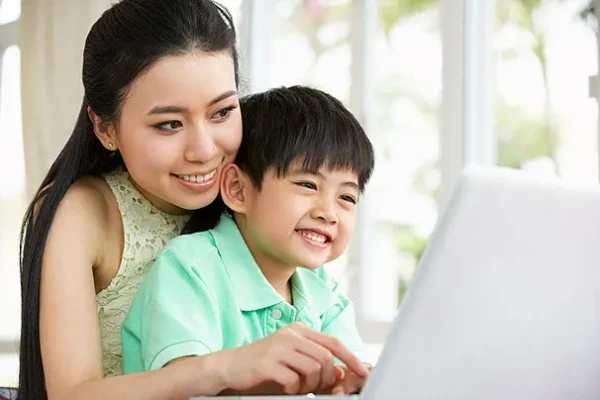
The parenting methods practiced by Chinese mothers often seem excessively strict to foreigners. In reality, they are based on a whole philosophy rooted in deep antiquity. In a country with a billion population, a child's future is determined very early. Competition begins practically from the cradle.
How do children live in such conditions? And why does this system, despite its apparent harshness, yield results? Let’s try to understand without unnecessary emotions.
Demographics and Attitudes
Once in China, there was a strict rule: one family — one child. The tax for a second child was so high that even middle-income families could not afford it. Now the law has been softened, allowing families to have two children.
However, a centuries-old tradition prescribes investing maximum resources in a small number of heirs. From an early age, children are oriented towards responsibility and hard work. They are perceived as the main family project, the success of which must justify all efforts.
Early Childhood
Chinese parents undoubtedly love their children very much. They are willing to give them their last, often denying themselves the essentials. But this love has a practical dimension. You won’t hear any tender cooing around the cradle here.
Children are potty trained very early, sometimes as young as six months. Some mothers go to extreme measures to achieve results. By the age of three, a child is expected to independently meet basic needs: dress, eat, and use the toilet. Without these skills, they will not be accepted into a public kindergarten. Private institutions or nannies are an expensive luxury for most families.
It is believed that children in China do not have the carefree childhood that is familiar to Europeans. Aimless play and simple fun are not encouraged. Instead, education begins at one and a half years old. Children are introduced to letters, try drawing, learn musical instruments, and even foreign languages. By the age of four, many already know quite a few characters, and their lives enter a strict academic rhythm.
The Reality of Working Mothers
Maternity leave in China is very short. A woman usually returns to work three to four months after giving birth. The tradition of breastfeeding is not strong here, especially in large cities. If grandparents cannot help, the child is placed in daycare.
Some institutions are ready to accept children from three months old. The older generation actively participates in upbringing, passing on their principles and values to their grandchildren.
School Days: Discipline Above All
One of the key rules is not to give praise for nothing. Encouragement must be earned through real achievement. Excellent grades are perceived not as success, but as the norm, a direct obligation of the student. However, winning a serious competition or olympiad may be celebrated by parents.
Studying for average grades is considered shameful here. The school day is very long, often extending into the evening. This allows parents not to be distracted from work. After classes, extracurricular activities begin. Special attention is paid to music education and sports. The concept of "free time" in its European understanding is practically absent here.
A typical school day looks like this: waking up at five in the morning to do homework. By eight, classes begin at school. After seven in the evening, there are additional activities. The child returns home by ten. Rebellion or protest against such a schedule hardly ever occurs. Children see that their classmates live this way, and that their parents were raised similarly. Another reality is simply unknown to them.
Respect and Obedience: The Foundation of Foundations
A child must obey their elders unconditionally. Even harsh punishment cannot be met with tears or complaints. This is seen as a sign of weakness. Parents choose the future profession and university for their children. Personal interests of the child or the development of individuality are often regarded as whims and laziness. The opinions of the younger generation do not play a significant role.
From childhood, respect for elders, care for the sick, and conscientious fulfillment of duties are instilled. Interestingly, there is even a discussion in society about a law that would require citizens to visit elderly relatives with a certain frequency.
According to the views of the older generation, a child should cultivate patience, diligence, determination, obedience, respect for others, and a desire for self-improvement.
Roots of Traditions
The roots of this system trace back to the teachings of Confucius, who lived before our era. The main idea of Confucianism is the cult of family, where common interests always outweigh personal ones. For a harmonious society, educated individuals are needed. Confucius identified their main traits as sincerity, common sense, loyalty to traditions, justice, and benevolence.
Modern China is in no hurry to adopt Western parenting models. The country continues to adhere to principles that were formulated two and a half thousand years ago and tested by many generations.












Leave a comment