
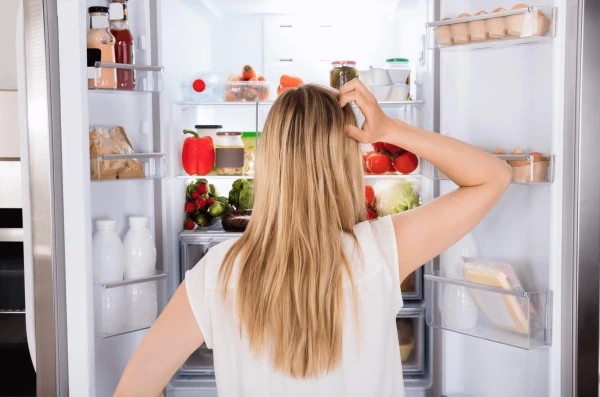
Even with the correct expiration date, products can spoil earlier. We explain what storage mistakes are most often made.
There is a feeling that the refrigerator is a universal safe for food. You put a product in there, and you can breathe easy: everything is under control. In practice, it’s more complicated. Some products spoil right in the refrigerator and do so faster than promised on the packaging. The reason is not "poor quality," but banal storage mistakes that almost everyone makes.
Let’s figure out which products most often do not last until their expiration date and why this happens.
Greens and Salads
A bunch of dill or spinach looks fresh until it ends up in the refrigerator for a couple of days. Then comes the yellowing, slime, and wilted leaves that are no longer very appetizing.
The problem lies in the combination of moisture and cold. The leaves are thin, easily damaged, and the condensation inside the bag creates ideal conditions for bacteria. Prepared salad mixes spoil especially quickly.
How to Store:
It’s better to keep greens in a container or a bag with minimal air, layered with a paper towel, advises RidLife. Wash them only before consumption, not in advance.
Soft Berries
Strawberries, raspberries, blueberries – all these berries are delicate, sweet, and extremely vulnerable. In the refrigerator, they often develop mold within a day or two, even if they look perfect at the time of purchase.
The main enemy is moisture. Washed berries or berries in a closed container "suffocate," and the sugar in them only accelerates the spoilage process.
How to Store:
In a single layer, in a non-airtight container or their original packaging. And yes – wash strictly before eating, not "for the future."
Open Dairy Products
Yogurts, cottage cheese, soft cheeses live very shortly after opening. Contact with air, temperature fluctuations, and the habit of eating straight from the package take their toll.
Even in the refrigerator, bacteria actively develop in such products, especially if the jar is opened frequently.
How to Store:
After opening – tightly close or transfer to a container. Use a clean spoon and keep it not on the door, but on the middle shelf, where the temperature is more stable.
Deli Meats and Sausages
Deli meats are one of the most treacherous products in the refrigerator. They seem to be salted, smoked, "long-lasting," but in reality, they quickly lose freshness. Stickiness appears, color changes, and the smell becomes unpleasant.
The culprit is air. After opening the package, the meat begins to oxidize actively, especially if it is left unprotected.
How to Store:
A sealed container or vacuum. If the slices are already cut – it’s better to layer them with parchment paper. And no storing in the refrigerator door.
Prepared Salads and Dishes
Olivier, pasta, baked vegetables, and any "leftover" dishes spoil faster than it seems. Especially if they went into the refrigerator warm or are stored in a container without a tight lid.
Temperature fluctuations and contact with air sharply reduce their shelf life.
How to Store:
Completely cool before putting in the refrigerator. Use airtight containers and do not store for longer than 24–48 hours, even if the smell is "still fine."
Why This Happens
The refrigerator does not stop processes – it only slows them down. Moisture, oxygen, micro-damage, and unstable temperature do their work. Products with a thin texture and high water content suffer the most.
Sometimes, it’s enough to simply transfer food to the right packaging for it to last a few days longer – without surprises and wasted food.













Leave a comment