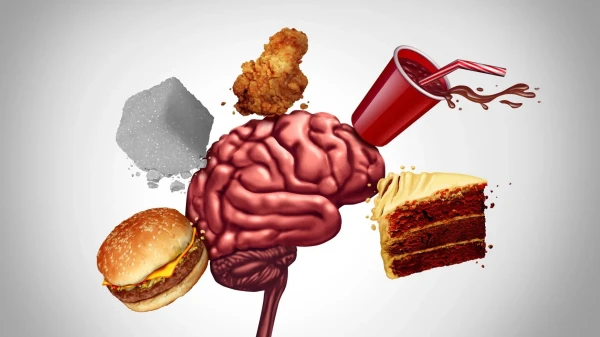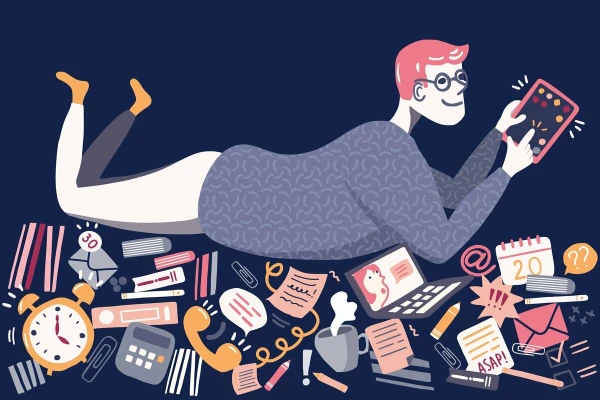
Procrastination is often perceived as laziness or weak character, but in reality, it is a protective mechanism of the brain. We procrastinate not due to a lack of willpower, but to safeguard ourselves from stress and uncertainty. Understanding this is the first step to breaking the cycle.
Why We Procrastinate
Our brain is designed to prioritize safety. Any new action, especially one associated with risk or criticism, is perceived as a threat. In response, a self-preservation mechanism is triggered: we do not stick our necks out, do not change the familiar, do not do anything extra. Therefore, procrastination feels less like a conscious choice and more like internal resistance.
The Cost of "Calm" Is Stagnation
The safety strategy works only in the short term. It protects against stress here and now, but over time it creates a sense of a stuck life. Unfulfilled ideas and postponed decisions accumulate, causing internal dissatisfaction.
Try a thought experiment: imagine your usual morning ten years from now if nothing changes. Is there a sense of satisfaction or just fatigue and regret? This approach helps to realize the cost of inaction better than motivational speeches.
When the Moment of Change Comes
Real change rarely begins with inspiration. More often, it is a moment of internal rejection of the current state — when it becomes psychologically impossible to continue living as before. There is no heroism or sharp turns of fate here, just an honest acknowledgment: "this cannot go on."
How to Get Out of Procrastination
-
Recognize Your Scenario
Describe the habitual lifestyle you do not want to continue. -
Formulate Your Direction
Determine where you want to move without lowering your expectations. -
Choose a Small but Mandatory Action
Do one specific task that will confirm your choice in practice.
Discipline as an Extension of Choice
Discipline here is not strict control or constant overcoming. It is a state when the decision has already been made, and internal bargaining has ceased. Actions become a logical continuation of the direction, not the result of daily efforts.
Conclusion
Procrastination ceases to be a problem when a person stops defending their past and begins to consciously work with the future. It is important to act not out of fear or pressure, but from an understanding of the consequences of inaction.