Constant nausea, headaches, or loss of voice – these and other symptoms are not uncommon. First and foremost, you should consult a doctor and undergo treatment. But what if the problem lies not only in health?
Psychotherapist, narcologist, neurologist, and candidate of medical sciences Lyudmila Kokotkina stated that there are different signals from the body: invisible, physical, and psychosomatic. The first indicate emotional and psychological discomfort. The second indicate health problems. The third indicate accumulated experiences.
Invisible Signals
Facial Expressions
Physical signs of the body. "For example, when a person constantly moves their Adam's apple – faster and more frequently than usual. This indicates anxiety or that they are lying," said the psychotherapist and provided several more examples.
Constantly wanting to touch something. Girls often fasten their handbags, reach inside, touch their earrings, the pendant around their neck, or the collar of their shirt without any reason. This is a sign of anxiety and lack of self-confidence.
Arms crossed over the body, one holding onto the other. Someone may stand this way while talking to friends or colleagues and not even notice their internal turmoil. But in reality, this is a signal from the body – such a position indicates a lack of self-confidence.
Arms crossed over the chest. This is a way of shutting oneself off from someone or something. If a person cannot consciously distance themselves from someone, the body will do it unconsciously.
Frequent blinking. If this happens constantly, there may be a problem with the eyes – then one should see a doctor. But if a person blinks frequently only in stressful situations, it means they are not confident or are anxious.
Deep sigh. There are two options here: the person is either upset or mentally giving consent to something.
Rubbing eyes. Again, if there are no vision problems, frequent eye rubbing usually indicates embarrassment or fatigue. The person cannot articulate their state, so they unconsciously send signals from the body.
Dull gaze. Visual detachment from people or events indicates boredom. Or the person is contemplating something.
Frequent touching of the face. This indicates a desire to hide the truth or signifies nervousness.
Constant fiddling with glasses. This is an assessment or expectation of some confirmation from another person.
Physical Signals
These signals from the body are usually monitored by doctors. Sometimes a specialist doesn’t even need to ask questions or touch the patient to understand that something is wrong with the internal organs.
"For example, yellowing of the sclera indicates liver problems," warned Lyudmila Kokotkina. If you notice this or any of the symptoms listed below, urgently consult a doctor and do not self-medicate.
-
Redness of the sclera – possible infection
-
Blue sclera – collagen structure disorder, hearing loss, skeletal deformity, increased bone fragility
-
Unpleasant breath – stomach problems.
Psychosomatic Signals
"We all know that stress causes psychosomatic diseases. For example, when prolonged suppression of vocal expression of rage or shouting occurs, one person may start experiencing headaches, while another may have throat problems or hoarseness," said the psychotherapist.
Here are some other symptoms I or my acquaintances have encountered. If you notice any of the signals listed below, do not immediately attribute them to psychosomatics. First and foremost, consult a doctor, get tested, and be under the supervision of a specialist. Linking such conditions to psychology can only be done in conjunction with medical treatment.
Headache, migraine. Too many thoughts, perfectionism, excessive self-control. Suppressed tears, anger, or fear. This is often seen in those who do not allow themselves to rest; they literally have a headache about everything.
Neck pain. Inflexibility, stubbornness, unwillingness to look at the situation from different angles, to see what is happening behind or to the side.
Eye problems. Unwillingness to look at an unpleasant situation within oneself or in life (nearsightedness) or fear of the future (farsightedness). Conjunctivitis may symbolize anger that you are observing, irritation from what you see.
Ear problems. Refusal to hear criticism, unpleasant news, or one's true desires. The desire to shut oneself off from the noise of the world.
Tooth problems (grinding, decay). Suppressed aggression, helplessness.
Breathing spasms. A feeling of suffocation from the environment, overprotection, or one's own rigid demands. The inability to breathe freely. Often an uncried child's cry or a suppressed call for help.
Chronic runny nose, sinusitis. Uncried tears that accumulate inside. A feeling of being trapped in a life situation.
Nausea, stomach problems. Inability to digest a situation, a person, or new ideas. Fear, disgust that is literally nauseating to keep inside. Constant anxiety and a sense of uncertainty.
Upper back pain. A person carries an unbearable burden on their shoulders: other people's problems, responsibility for others. Lack of emotional support.
Lower back pain. Often related to basic fears (money, security, survival) and suppressed sexual desires or guilt in this area. Huge unexpressed anger, a load that one drags behind.
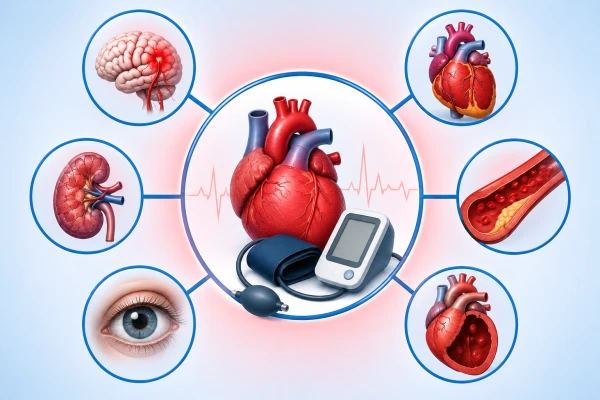
High blood pressure. Long-suppressed emotions, especially anger. Chronic readiness for battle, to repel an attack that does not come. Overstrain.
Low blood pressure. Loss of strength, lack of joy in life. A feeling that one was not loved enough in childhood, a deficit of positive stimuli.
Eczema, dermatitis, urticaria. Intense irritation literally bursting out. Violation of personal boundaries, anxiety, fear of being vulnerable.
Women’s issues (painful periods, fibroids, cysts). Often a conflict with one's femininity, motherhood, denial of sexuality. Unfulfilled creative potential. Resentment towards men or rejection of one's female role.
Men’s issues (prostatitis). Problems with male identity, pressure from social expectations, fear of inadequacy. Suppressed sexuality or aggression.
Arthritis, joint pain. Rigid views on life, criticism, resentment, inflexibility of thought. Often seen in people prone to self-sacrifice but with suppressed aggression.
In case of any unpleasant signals from the body, first consult a doctor writes norma-media. If you feel well – great! But it is still important to be monitored by a specialist.