
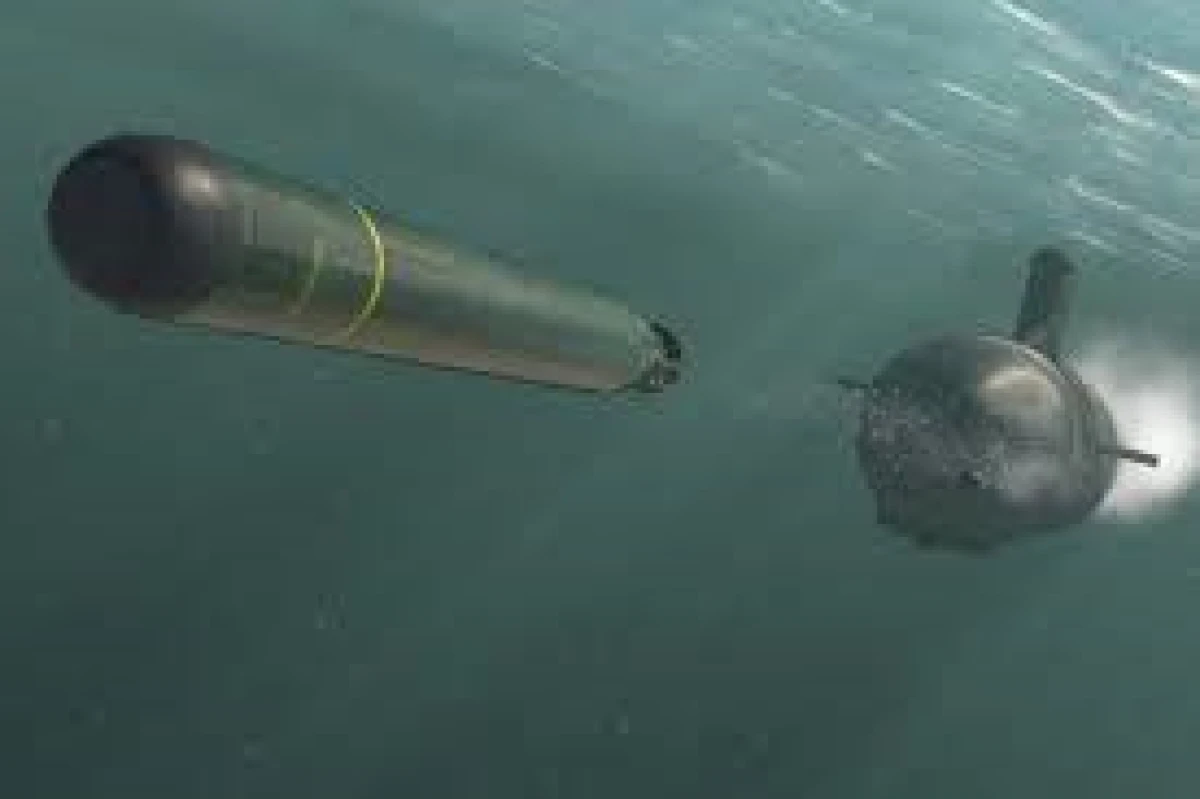
NATO intelligence has tracked the actions of the Russian Northern Fleet, which suggest attempts to place missiles capable of carrying nuclear weapons on the ocean floor, reported the ARD channel citing an investigation.
Some actions of the Northern Fleet of Russia may indicate attempts to place missiles capable of carrying nuclear warheads on the seabed, according to a report by the Tagesschau program on the ARD channel on Thursday, May 21, citing investigations by two other German channels - WDR and NDR.
Investigative journalists have reportedly studied a secret project codenamed "Skif" for several months: analyzing satellite images, examining Russian scientific databases and historical documents, and interviewing military personnel and experts.
According to the information obtained, including data from NATO intelligence agencies, "Russia may have been working for many years on deploying ballistic missiles at sea in a way that has not been known until now," the report states. "These launchers will be virtually impossible to detect and destroy," the investigation emphasizes.
NATO: Missiles Could Launch from the Ocean Floor and Have Ranges of Several Thousand Kilometers
According to NATO data cited by German investigators, a missile called "Skif" was specifically developed for the Russian military project - a modified version of the "Sineva" missile, which is in service with Russian submarines. The report claims that these new missiles can be launched from the ocean floor and have ranges of several thousand kilometers. Their first tests allegedly took place "several years ago."
According to Western intelligence agencies, missiles capable of carrying nuclear warheads could be placed in specially created silos or containers at depths of several hundred meters. It is assumed that they could remain on the ocean floor for a long time and be launched remotely when necessary.
NATO sources also claim that the "Zvezdochka" vessel and the "Saratov" submarine, stationed in the city of Severodvinsk on the White Sea, could be used for the installation of missile silos. Neither NATO nor the Russian Ministry of Defense commented on the "Skif" project in response to a Tagesschau inquiry. The Russian Embassy in Berlin stated that it has no information on this matter, the program clarifies.
Expert: Moscow's Goals Are to Maintain Nuclear Deterrence at Lower Costs
As stated on the ARD broadcast by expert Helge Adrians from the Berlin-based Science and Politics Foundation (SWP), placing missiles on the ocean floor could allow Russia to reduce its dependence on expensive submarines and maintain nuclear deterrence at lower costs. However, this project is associated with significant technical challenges, including the impact of ocean currents, silting of silos, energy supply, and data transmission, he added.
The USA, USSR, and about 80 other countries signed a treaty in 1971 prohibiting the placement of nuclear weapons on the ocean floor, but this agreement only applies to international waters and does not prohibit the placement of such systems in a state's own territorial waters, the media clarifies. In 2017, former Commander-in-Chief of the Russian Aerospace Forces Viktor Bondarev stated that the "Skif" missiles, hidden on the ocean floor, are part of the arsenal of the Russian Armed Forces, ARD reminds.














Leave a comment