
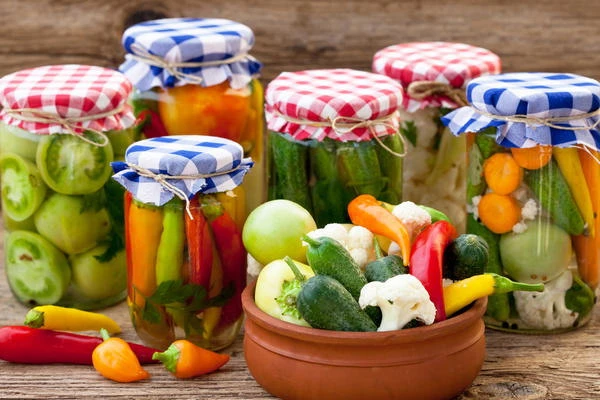
To preserve vegetables for the winter, housewives have long used various methods: pickling with vinegar, salting, or fermenting. Such products are traditionally called pickles, and for many, they are an essential part of the winter menu. But are pickled cucumbers and brine really equally beneficial for everyone? Nutritionist, Professor Oleg Shvets talked about their effects on the body.
Pickled Cucumbers: Vitamins in a Jar
One of the most popular canned vegetables is the pickled cucumber. According to nutritionist Oleg Shvets, cucumbers are almost entirely made up of water and contain little fat and protein. At the same time, they retain a certain amount of beneficial substances, as water is removed during fermentation and the remaining components become concentrated. They also have a high concentration of vitamins.
– For example, one pickled cucumber contains about 20% of the recommended daily allowance of vitamin K, which aids in blood clotting and strengthens bones, 6% of the daily calcium requirement, 2% of the daily potassium requirement, 3-4% of the daily vitamin C intake, and 1% of the daily vitamin A requirement. Pickled cucumbers contain phosphorus and phospholipids. They are an excellent source of the antioxidant beta-carotene, which is linked to a reduced risk of developing several chronic diseases, particularly age-related macular degeneration (the central part of the retina, damage to which leads to severe vision loss) and type 2 diabetes, he explains.
What Are the Benefits of Pickles?
Support Digestive Health. Fermented vegetables (i.e., those that ferment in their own juice) contain probiotics that promote normal intestinal function.
Boost Immunity. Due to their high beta-carotene content, which the body converts into vitamin A, pickles can lower the risk of cardiovascular diseases, certain forms of cancer, and respiratory problems.
Positively Impact Brain Activity. Studies show that regular consumption of foods rich in beta-carotene helps improve memory and concentration in older adults.
Help Maintain Stable Blood Sugar Levels. The vinegar in the brine helps keep blood sugar levels stable.
Why Can Pickles Be Harmful?
Despite their benefits, pickles have one significant drawback – high sodium content.
– For example, one large pickled cucumber can contain more than two-thirds of the daily sodium allowance for an adult. Excess salt contributes to increased blood pressure, which in turn raises the risk of heart attack, stroke, diabetes, and kidney diseases. Additionally, sodium leaches calcium from bones, increasing the risk of fractures, the doctor warns.
Possible Risks:
Blood Pressure Issues. A high amount of sodium in the daily diet leads to elevated blood pressure. People with hypertension or those taking related medication should limit their pickle consumption or seek low-sodium products.
Strain on the Liver and Kidneys. Excess salt forces these organs to work harder, which is particularly dangerous for individuals with chronic illnesses.
Risk of Stomach Cancer. Salty foods can cause changes in the cells of the stomach lining, which, along with other factors (such as the Helicobacter pylori bacteria), increases the likelihood of malignant tumors.
Osteoporosis. A lack of calcium combined with excess sodium weakens bones and raises the risk of brittleness.
– Therefore, pickles in moderation can have certain benefits. However, they are not a healthy choice for regular consumption, especially in the presence of high blood pressure and some other diseases, concludes Oleg Shvets.
Is It Worth Drinking Brine?
Brine aids in hydration (maintaining water balance) in the body and recovery after physical exertion. According to Oleg Shvets, some athletes believe that consuming brine after workouts helps quickly replenish electrolyte levels. There is also research suggesting that brine may be somewhat more effective than water in reducing muscle cramps. However, the evidence base remains limited.
At the same time, people with digestive disorders or hypertension should exercise caution — excess salt can worsen their condition.














Leave a comment