

With age, not only physiology changes but also the attitude towards intimacy. During menopause, a decrease or even temporary loss of sexual desire is not a pathology, but a normal part of hormonal changes.
The feeling of decreased libido is often accompanied by anxiety, guilt, or pressure from a partner or society. However, as specialists emphasize, the spectrum of normal sexual desire is much broader than commonly thought, and sometimes a decrease does not mean a loss of fulfillment at all.
Decreased Desire — A Physiological Reality
During menopause, levels of estrogen and testosterone inevitably decline. This hormonal shift affects the sensitivity of nerve endings and reduces spontaneous arousal. Sexologist Olga Vasilenko explains that all these changes are part of a biological process, not a sign of losing one's feminine essence or vitality.
It is important to understand: the absence of sexual desire does not exclude intimacy, love, or a sense of fullness in life. On the contrary, many women experience this stage as a new form of intimacy.
Pressure Only Increases Tension
Attempts to restore the previous level of activity at any cost — through self-violence, pretending, or constant comparisons with the past — usually worsen the situation. In such cases, a person loses contact with their sensations, internal tensions increase, and they become alienated from their own body.
Psychologists note: the first step to acceptance is allowing oneself not to want sex. Paradoxically, giving up the internal struggle sometimes opens the way to a calmer interest — already without pressure.
Intimacy Is Not Just About Sex
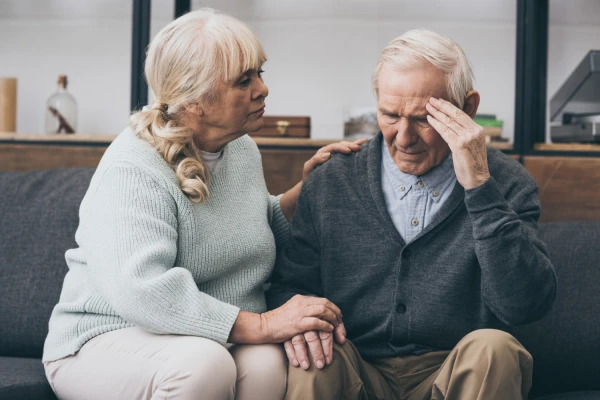
Menopause can shift the focus from sexual activity to other forms of physical and emotional contact: touch, hugs, shared relaxation, deep conversations, and a sense of security next to a partner. Many couples experience a new stage of intimacy during this period — without the need to evaluate themselves through the lens of the frequency of sexual acts.
If a partner is willing to respect the changes and maintain a dialogue about current feelings, the relationship as a whole can become stronger and deeper.
Where to Start If You Want Change
If decreased libido is accompanied by discomfort, dryness, or pain, it is important to focus not so much on "desire" as such, but on the comfort and ease of the body. Working on the quality of bodily sensations can be a starting point for restoring interest:
-
Local moisturizers and soothing gels can ease contact;
-
In addition, pelvic floor exercises and gentle body practices improve the perception of one's sensations;
-
Reducing overall stress and normalizing sleep also help the body become more responsive.
Sometimes these steps are enough for interest in intimate life to return — already without coercion and pressure.
The Main Thing — Choice and Honesty with Oneself
The healthiest position during menopause is the right to choose: to want sex or not, to seek new ways of intimacy or take a break, to discuss changes with a partner or keep them personal.
Menopause is not the end of sexuality, but its transformation. And if at this moment you have less sex or it is completely absent, but there is inner calm and a sense of harmony with yourself, it means you and your body are in agreement and everything is going as it should.












Leave a comment