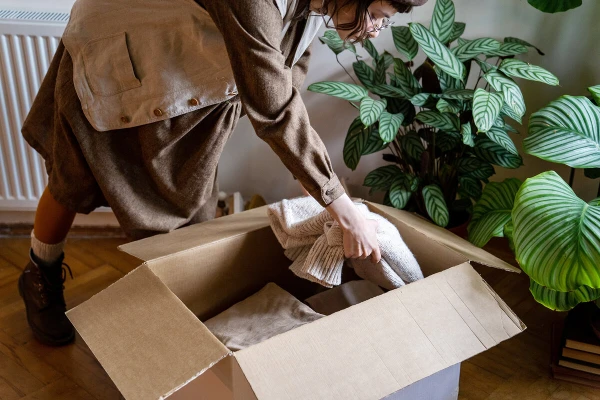
Shelves, closets, storage rooms — somewhere there is definitely a broken hairdryer, a stack of old magazines, "dacha" clothes, boxes of "memorable" junk. Sometimes we can't even explain why we keep all this. And parting with such treasures is not easy.
Psychologist and coach Daria Tarasova explains what lies behind this habit and how to help oneself.
What is "Hoarder's Syndrome"
This is not a medical diagnosis, but a colloquial expression. It refers to the tendency to hoard — the habit of not throwing anything away. Sometimes it indeed involves severe forms, where a person cannot part with anything, even trash. But more often, it is habitual everyday behavior: "I can't throw it away," "let it stay," "what if I need it later."
"It is important to understand: hoarding is not about laziness or carelessness. This habit may hide anxiety, fear of change, and emotional attachment. All of this deserves attention and a gentle approach. It is something to look into and address," explains the psychologist.
Why It's Hard to Throw Things Away
Every item we keep has its own story. The reasons why it is difficult for us to part with them include:
- Fear of scarcity. This is especially characteristic of those who grew up in the 90s or in families where "everything was kept for later." Even if it is possible to buy something new now, there is an internal anxiety: "What if I can't afford it later?"
- Attachment to the past. Clothes from graduation, concert tickets, grandma's cup — such items remind us of important moments. It seems that the memory will disappear along with the item.
- Anxiety about change. Getting rid of the old means acknowledging that life is changing, and changes are not always perceived as safe.
- Illusion of control. When there is little stability in life, we want to hold on to things at least. This gives a sense of order, even if it is illusory.
- Avoidance. Everyone has a corner, drawer, or closet that is scary to look into due to unresolved tasks, memories, and doubts.
How to Help Yourself
There is no need to set a goal of "throwing everything away and starting from scratch." The approach should be gradual and gentle:
- Start with something simple. One unmatched sock, an old brochure, a broken pen — throw away something insignificant. Observe your emotions — this helps to get used to the anxiety that comes with letting go.
- Tackle it bit by bit. One drawer, one shelf, 15 minutes a day. This is more effective than trying to clear the entire apartment over the weekend. You can use the Pomodoro technique and a timer.
- Preserve memories, not things. Take a photo of the item, write a few words about what it is associated with. This way, you keep the essence without cluttering.
- Support yourself. Not all emotions during decluttering will be pleasant. Sometimes we are letting go not just of an old item, but a part of our story.
When Things Interfere with Life
If there is no space to place furniture at home, it is difficult to invite guests, and cabinets won't close — it is possible that hoarding has become a way to cope with anxiety, loneliness, or inner emptiness.
"In this case, do not hesitate to seek help from a psychologist. Together, you can find other, healthier ways to restore a sense of stability and find support," advises Daria Tarasova.
Certainly, there is no need to live in a perfectly empty space. But it is important that the home is not a storage for fears. By freeing up space, we release energy and become closer to ourselves. Start with something simple and safe — and you will notice the difference.