
The project's budget will amount to a figure with nine zeros.
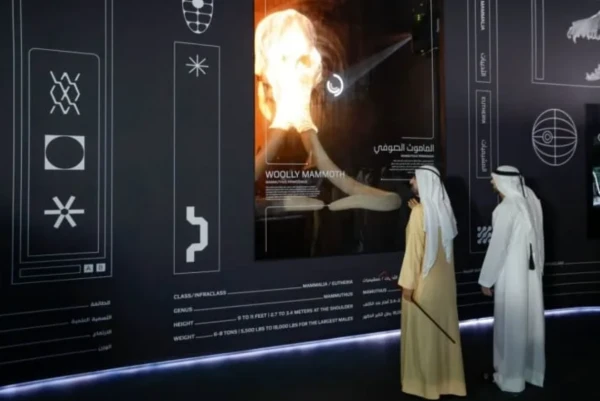
The UAE has decided to create a large repository of genetic data for rare animals and plants – a kind of backup for biodiversity. The project is being launched in collaboration with the American company Colossal Biosciences, known for its work on the "resurrection" of the woolly mammoth. The partnership is estimated to involve a nine-figure budget. The first facility, called BioVault, will be located in the Museum of the Future in Dubai. It is planned to collect and preserve genetic profiles of more than 10,000 species, starting with a hundred of the most vulnerable.
The idea is based on a simple calculation. The rate of organism extinction is increasing, and by mid-century, the planet could lose a significant portion of its current biodiversity. The new center is envisioned as a long-term and technologically secure storage for DNA, cell samples, and associated data. The project is designed not only for archival storage but also for the potential restoration of populations in the future if suitable scientific methods become available.
The initiative is spearheaded by Sheikh Hamdan bin Mohammed bin Rashid Al Maktoum. The Museum of the Future will feature a permanent Colossal laboratory and BioVault infrastructure. Museum management plans to develop the space as a scientific center that will address practical issues related to species protection and biodiversity research. Overall, the project is closely linked to genomics and synthetic biology. These fields study the structure of the genome, methods for reading DNA, and techniques for targeted manipulation of hereditary material.
The first year will be dedicated to expeditions and data collection. Teams will conduct field trips, select biological samples, and decode the DNA of rare animals. Based on this, a genetic database will be created for further research and conservation programs.
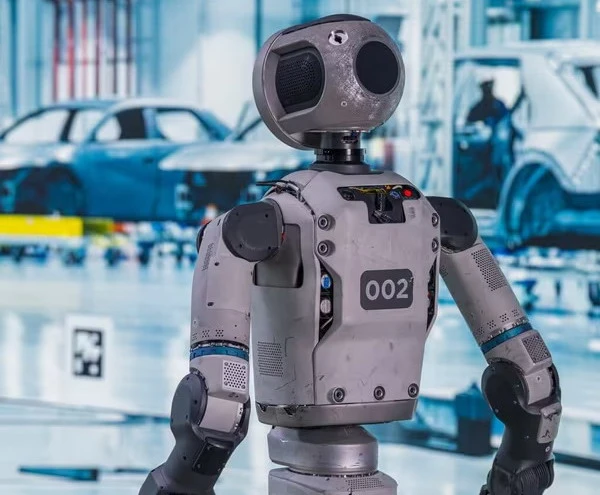
The creators of BioVault specifically address the issues of existing biobanks. Currently, such collections are often distributed across different countries, receive varying levels of funding, and operate under uncoordinated standards. The new center is envisioned as a unified research platform with automated sample tracking. Robotic systems, machine analysis algorithms, and cryopreservation methods, which involve storing materials at ultra-low temperatures, are planned to be used. This mode allows for long-term preservation of cells and molecules without significant changes.
In addition to the physical archive, the project includes a digital component. The preparation of reference genomic sequences and detailed datasets for long-term conservation planning is planned. A network of backup sites in different regions is also envisioned to ensure that collections are not dependent on a single storage point. Scientific information is intended to be made accessible to researchers worldwide.
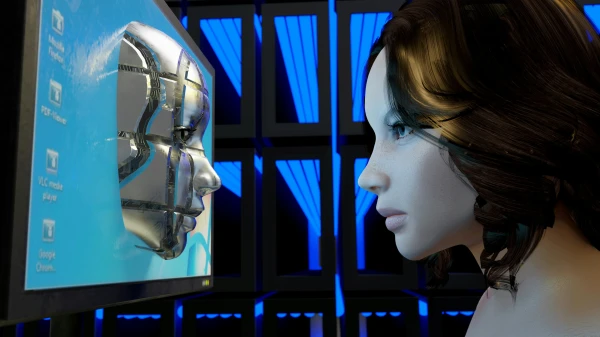
The laboratory in Dubai will operate in an open format. It will be designed as a kind of living exhibition. Visitors will be able to observe specialists sequencing DNA in real-time and how robotic scientists work. Interactive programs and educational events related to the current tasks of the laboratory are being prepared for visitors.





Leave a comment