

Language is not just a tool for conveying thoughts, but an active force.
The incredible linguistic diversity of the world shapes our perception, thinking, and the very reality around us.
Caleb Everett is a professor of anthropology and psychology at the University of Miami.
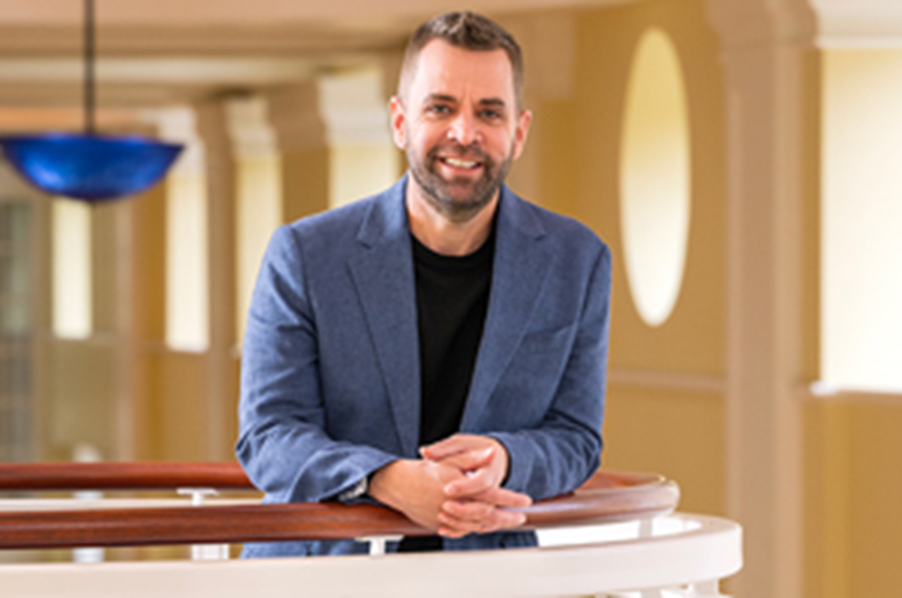
He is the son of linguists Daniel Everett and Keren Everett. He spent his childhood with them in the tropical forests of the Amazon, where his parents worked as missionaries and linguists with the Pirahã people.

Using examples from his field research with indigenous peoples of the Amazon and data from hundreds of other languages around the world, he demonstrates that language is not just a tool for conveying thoughts, but an active force that leads to different ways of thinking, perceiving reality, and understanding one's place in the world.
Everett deliberately moves away from the perception of the "common" understanding of reality, the surrounding world, and the social model of human relationships from WEIRD societies (Western Educated Industrialized Rich Democratic). For example, Everett enthusiastically describes the unique perception of kinship relationships in the Caritiana tribes, where there are different names for brothers, sisters, mothers, fathers, uncles, etc., depending on gender and age, and only briefly mentions that something similar exists in the Japanese language.
Everett analyzes only three tenses in the English language (past, present, and future) and compares it to the perception of time in other tribal communities, where there may be no future or past tense or a fourth tense may appear (his attempts to analyze the past continuous tense by stating that the past tense in English is expressed in one single way seem particularly amusing).
















Leave a comment