This situation requires high autonomy and resilience from spacecraft.
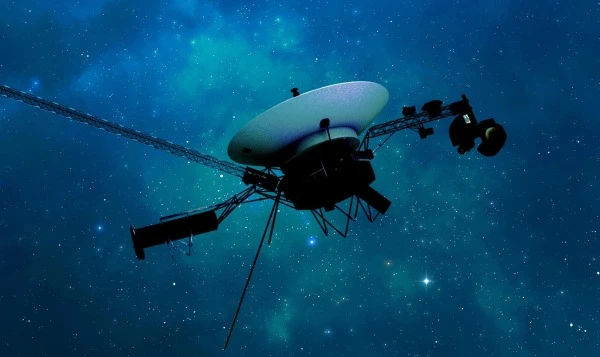
As the absolute reigning record-holder for longevity, NASA's Voyager 1 probe, launched back in 1977, is approaching a significant historical milestone — in just one year it will reach a distance of one light day from Earth, which corresponds to approximately 23.5 billion kilometers. At that point, a radio signal from NASA's Mission Control will take 24 hours to reach the probe's receiving antennas.
The Voyager 1 and Voyager 2 probes were designed to fly by Jupiter and Saturn. In addition, they were supposed to perform a unique maneuver — using the gravity of these planets to exit the Solar System.
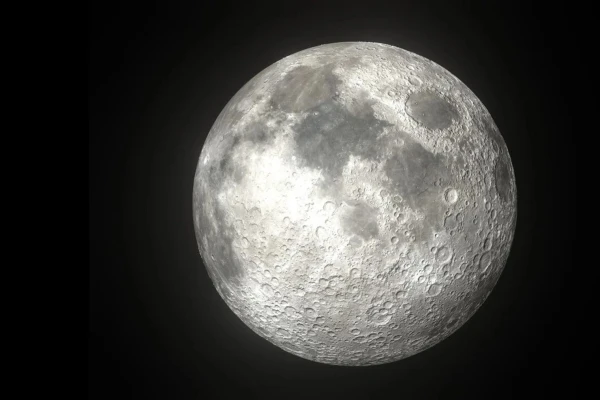
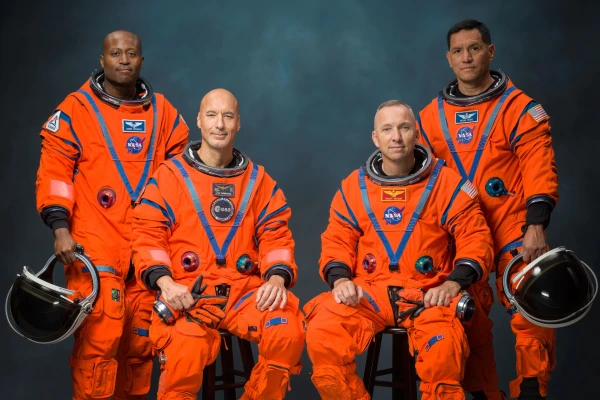
The vast distances present a challenge for operating spacecraft — even at the speed of light, control signals experience significant delays. For example, signals to NASA's lunar mission participants, who were only 363,000 km from Earth, took 1.3 seconds to arrive. This time increases to 52 minutes for Jupiter and 6.8 hours for Pluto.
This situation requires high autonomy and resilience from spacecraft involved in exploring deep space, as real-time control is simply impossible.
Despite these enormous distances, the Voyagers remain in contact with Mission Control thanks to NASA's Deep Space Network tracking system. The new reality that specialists at the center will face in just one year is that confirming any commands to the probes will take two days.
<iframe width="560" height="315" src="https://www.youtube.com/embed/k_u1GT_ChWY?si=04GROqwwLZiiaKkM" title="YouTube video player" frameborder="0" allow="accelerometer; autoplay; clipboard-write; encrypted-media; gyroscope; picture-in-picture; web-share" referrerpolicy="strict-origin-when-cross-origin" allowfullscreen></iframe>