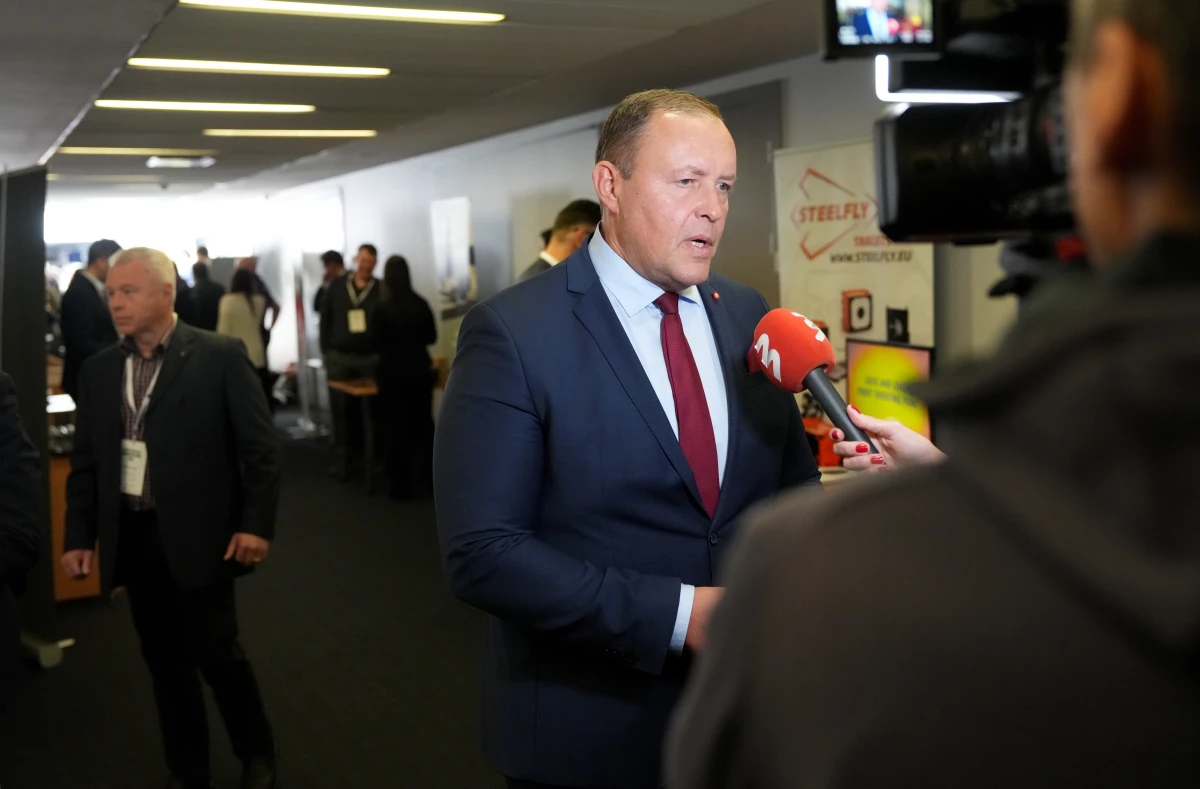
After the drones fell in Rezekne, the authorities of Latvia changed the procedure for transmitting information in the event of threats in the airspace. According to Interior Minister Rihards Kozlovskis, decision-making chains have become shorter so that warnings to the population arrive faster.
Interior Minister Rihards Kozlovskis stated that the cooperation between internal affairs services and the National Armed Forces is generally assessed as good; however, the interaction mechanisms continue to be refined based on real incidents.
The main reason for the latest changes was the events of last week when several drones invaded Latvian airspace from Russia. Two of them fell in Rezekne and damaged empty storage tanks for petroleum products.
The operation of the public alert system raised particularly many questions. Residents received cell broadcast messages only after the drones had fallen, which sparked criticism and renewed discussion about the speed of the state's response.
According to Kozlovskis, decision-making chains have since been shortened and simplified. Now, procedures are structured so that information is transmitted as quickly as possible.
The minister emphasized that politicians do not participate in operational decisions regarding the activation of the public warning system. In fact, the decision rests with the operational duty officer.
What is important to understand is that the authorities are currently trying to eliminate unnecessary intermediate approvals that could slow down the response in a critical moment. The speed of information transmission became one of the main issues after the incident in Rezekne.
Kozlovskis also commented on the idea that the National Armed Forces could independently activate the early warning system. In his opinion, the current scheme is already optimal, as information exchange occurs immediately between several structures.
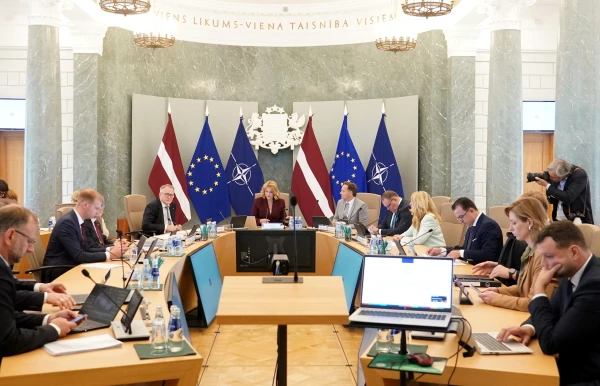
Against the backdrop of these events, the political crisis surrounding the change of the Minister of Defense continues. Kozlovskis acknowledged that there was tension at the coalition cooperation council meeting; however, in his opinion, the government of Evika Silina is still capable of making decisions.
The minister also indicated that the situation regarding Andris Spruds' resignation developed unusually. He recalled that previously ministers would usually resign directly to the Prime Minister, rather than through the media.
"This was also a political choice," noted Kozlovskis, adding that he would have acted differently.
It remains unclear whether the coalition will maintain its current working format after the conflict between "New Unity" and "Progressives." The latter previously stated that they intend to meet with Silina before making a final decision on further actions.