In the coming years, Latvia faces a significant deterioration in its fiscal situation, so the government must already implement active measures to strengthen revenues and reduce expenditures, the Fiscal Discipline Council (FDC) stated to the LETA agency.
The council notes that the current fiscal situation is stable; however, without changes in policy in the coming years, it may significantly deteriorate. Therefore, measures must be taken now to ensure the sustainability of public finances.
Last year, Latvia's economy returned to moderate growth, the budget situation proved better than planned, and the country maintains an investment credit rating and a relatively moderate level of debt. However, in the future, fiscal policy will have to be implemented under more challenging conditions due to rising economic and budgetary risks.
The council also points out that without changes in policy, by 2028, fiscal space may become negative, and the situation will worsen further in 2029. This will be associated with the redistribution of one percentage point from the first pension level to the second, as well as increased defense spending, which will increase the budget deficit and public debt.
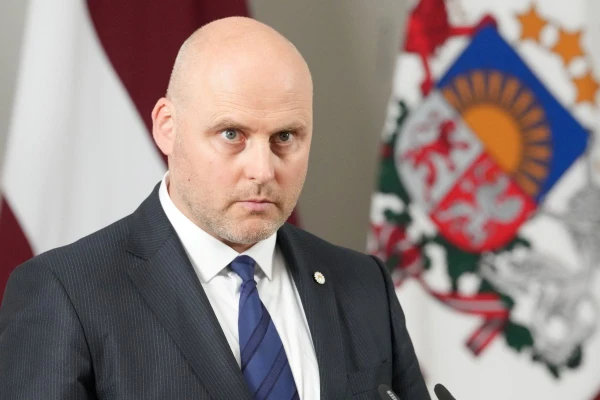
Chairman of the Fiscal Discipline Council, Jānis Priede, noted that the current fiscal situation is stable; however, due to the crisis related to Iran, the global and Latvian economies may deteriorate, and conditions will become more challenging in the medium term. Therefore, timely, thoughtful, and sustainable solutions are necessary to strengthen the revenue base and improve the efficiency of public spending.
Priede emphasized that the rationalization and reduction of budget expenditures must begin now to avoid significant budget consolidation in 2029, which could threaten economic growth.
He also pointed out the need to significantly improve the management of state capital companies so that they do not become a serious fiscal burden.
The council notes that, according to forecasts from the Ministry of Finance, Latvia's public debt will continue to grow to approximately 52–53% of gross domestic product (GDP), which is more optimistic than previous forecasts. However, these calculations do not take into account a number of risks, including rising energy prices and additional expenses for projects and sectors such as "Rail Baltica," "airBaltic," healthcare, and education.
At the same time, debt servicing costs are projected to be at 1.3% of GDP in 2026, rising to 1.6% in 2029–2030 — from 606 million euros to 901 million euros. If interest rates are raised by the European Central Bank, these costs could increase even further.
The Fiscal Discipline Council notes that the current inflation data for 2026 does not yet reflect the impact of rising oil prices due to the escalation of the conflict in the Middle East. In response to inflationary risks, the Saeima has reduced the excise duty on diesel fuel. However, in the long term, this could lead to a violation of the fiscal discipline law if the decline in revenues is not compensated by other measures.
The council also warns that rising energy prices may require additional support for households during the heating season, which will create additional budget challenges. In these circumstances, targeted support should be prioritized over broad measures to avoid increasing public debt.
Furthermore, in the medium term, the situation is becoming significantly more complicated: the budget deficit remains high — around 3–5% of GDP — and is increasing mainly due to rising defense spending, which must be at least 5% of GDP starting in 2027. Borrowing is used to finance these expenses, including European Union instruments.
The council emphasizes that in the long term, one cannot rely solely on increasing debt; therefore, it is necessary to find structural and sustainable solutions in a timely manner.
It is also noted that fiscal space is rapidly shrinking: if it is still positive in 2027, it will become negative from 2028 without changes in policy and will continue to deteriorate. The situation is complicated by already approved measures, for example, in healthcare and education, for which funding has not been secured.
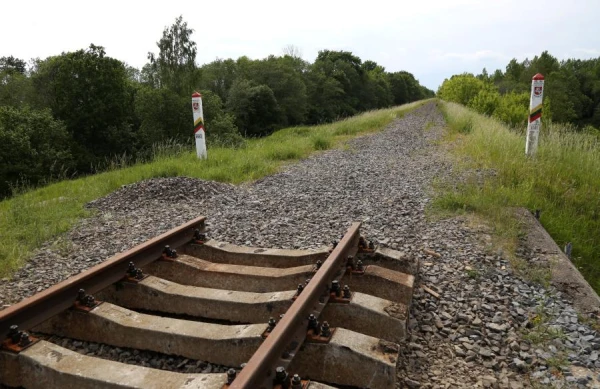
Particular attention is paid to the risks associated with state enterprises and large infrastructure projects. "airBaltic" continues to operate at a loss, has negative equity, a low credit rating, and high borrowing costs. Serious challenges are also associated with the "Rail Baltica" project, which continues to have a multi-billion euro funding deficit, and the exact cost of the project has not yet been determined.
The Fiscal Discipline Council emphasizes the need to clarify the actual costs of the project as soon as possible and to develop a financially responsible plan for its financing.
The Fiscal Discipline Council is an independent collegial body established to monitor compliance with budgetary discipline rules.