
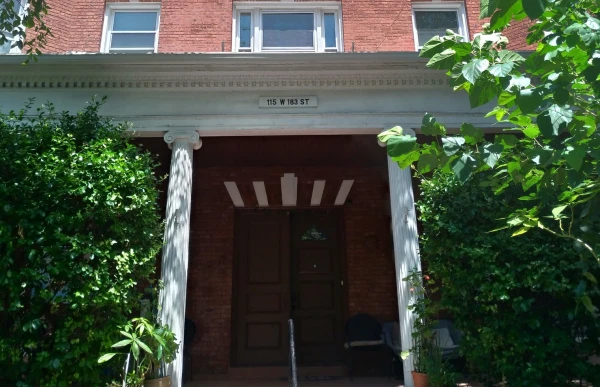
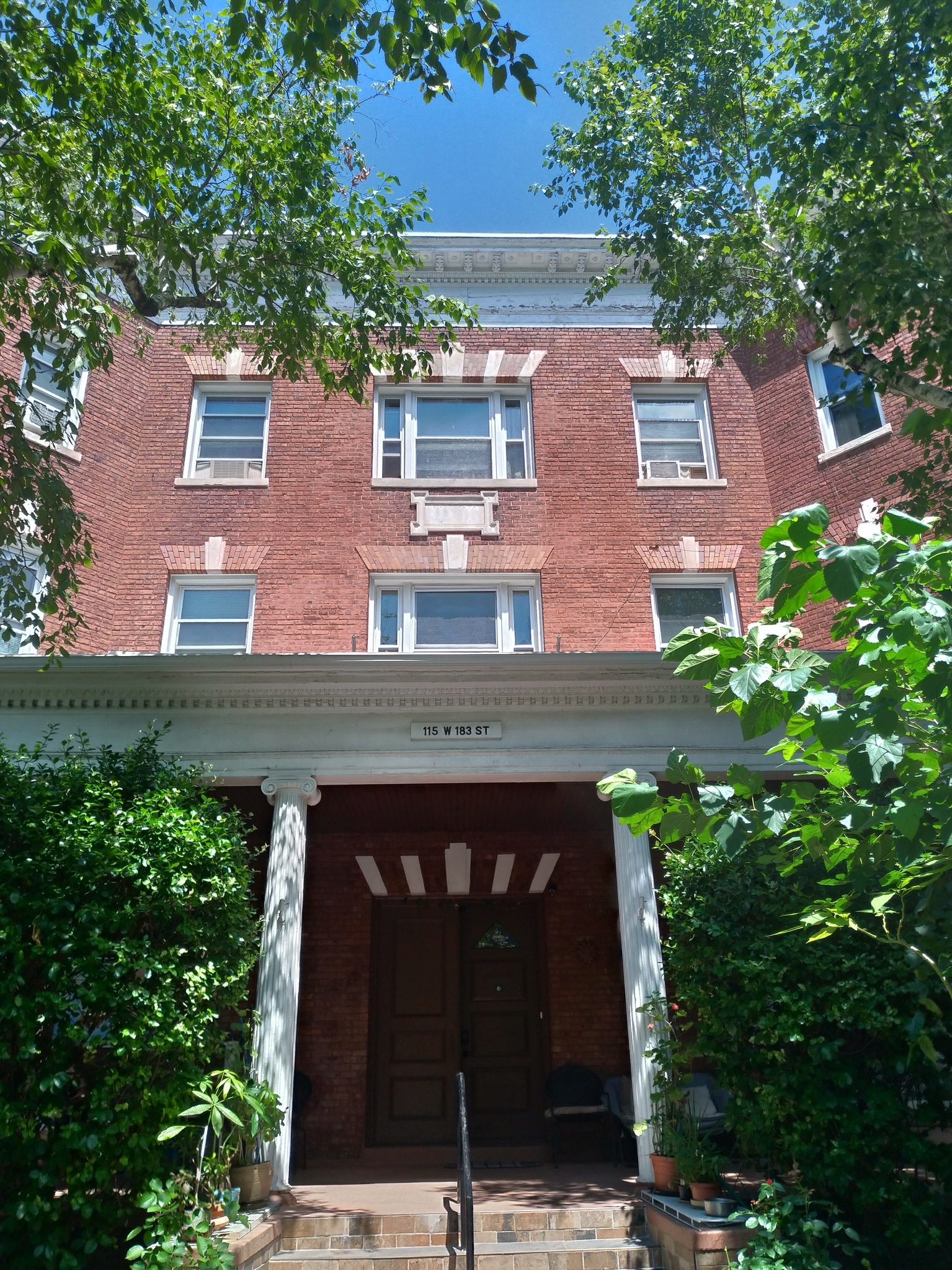
A conflict has erupted in the diaspora between two organizations, which is already resonating in Latvia. This concerns the Latvian house in New York — a public property owned by the organization "Daugavas Vanagi," which has served the Latvian community for nearly half a century.
A conflict has erupted in the diaspora between two organizations, which is already resonating in Latvia. This concerns the Latvian house in New York — a public property owned by the organization "Daugavas Vanagi," which has served the Latvian community for nearly half a century.
This house has been an important center for the Latvian diaspora for decades, reports TV3 News. However, high maintenance costs and the technical condition of the building are forcing radical solutions to be considered — including a sale. It is in this context that questions arise about the potential lack of transparency in decision-making.
The building was purchased in 1974 by the New York branch of "Daugavas Vanagi" — an organization historically created to support Latvians in emigration, preserve traditions, and promote the idea of Latvia's independence. For almost 50 years, the house has served the needs of the diaspora, but now it may be preparing for sale. The main argument is the maintenance costs, which amount to at least $60,000 per year.
Valdis Chirksts, a former long-time board member of the New York branch of "Daugavas Vanagi," considers the sale a serious mistake. In his opinion, the new leadership views the property solely from a financial perspective, even though its value is around two million dollars.
"The people who came said they were 'Vanagi,' that their relatives were in the organization, and that they would take over the leadership. Community work — please, go ahead! They don’t get paid for it. But the first thing the new board stated was that the house is unprofitable and needs to be sold. There was no attempt to develop or improve it so that it could generate income and serve the organization's goals, primarily the preservation of Latvian heritage," emphasized Chirksts.
He acknowledges that the diaspora's need for this three-story building in the Bronx is gradually decreasing, but he sees potential for its use by Latvians from Latvia — for example, students and artists coming to New York.
Chirksts, along with like-minded individuals, created a separate organization and proposed to buy the building in installments, but this idea was rejected.
"There is a buyer ready to pay the full amount immediately, which is, of course, good for the seller if it is private property. But in this case, it is public property. And here a strange trend emerges — people elected to serve the idea and the community begin to behave like owners," he noted.
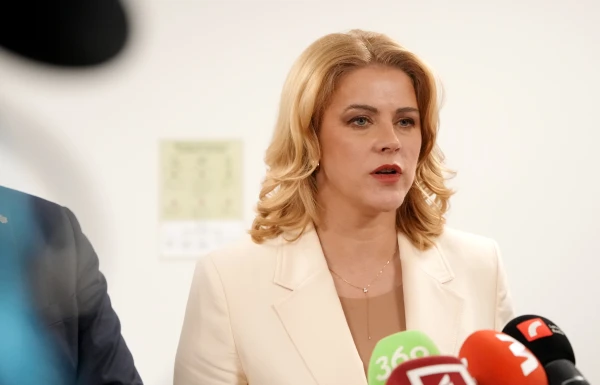
He hopes that the Latvian state will also get involved in resolving the issue. For her part, Minister of Culture Agnese Lāce pointed out that this is private property, and the decision remains with the owner — the New York branch of "Daugavas Vanagi."
At the same time, the minister expressed hope that the parties could reach an agreement: "If necessary, we can sit down at one table and discuss everything. We have not received such a request, but if an invitation to participate comes, we will not refuse."
Lāce also noted that in recent years, the very structure of the diaspora's work is changing — communities are becoming more fragmented, and the issue of managing common properties is becoming increasingly relevant.
Meanwhile, the New York branch of "Daugavas Vanagi" did not respond to journalists' requests for comments on the situation. It is expected that a decision on the future of the building will be made at the organization's delegate meeting in Cleveland in mid-April.





Leave a comment