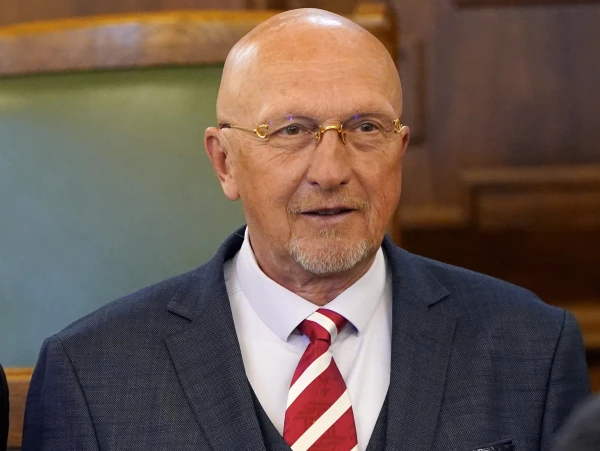
The price difference for the same grocery basket in Latvian stores can reach dozens of euros. Minister of Economics Viktor Valainis explained how the authorities plan to show this difference and make retailers compete for customers.
Discussions continue in Latvia about whether the country is a territory of low purchasing power and high prices. The Minister of Economics, Viktor Valainis, spoke about possible tools to protect the interests of residents in the program "Naudas cena" on TV24.
According to the minister, one such tool is the state-created price comparison service for products, Letapartika.lv. Based on this, the authorities plan to visually show buyers in which stores products are cheaper. In the near future, the tool is expected to be made more understandable and practical for residents. Primarily, this involves creating a weekly grocery basket for pensioners.
"What we will do in the near future is start using this tool in a form that is more accessible to residents. First of all, we will form a basket for seniors once a week," Valainis said.
He stated that the composition of such a basket will be determined by the elderly themselves. "This month, together with non-governmental organizations, we will ask seniors: what do you want to see in your shopping basket — what products. They will choose different items, and we will calculate their cost," the minister explained. After that, the government will publish the comparison results. "We will say directly: this basket is cheapest in store X, and the most expensive is in store Y."
The minister emphasized that the government will not directly force stores to lower prices. The pressure on the market should come from the buyers themselves. "This is important primarily for residents — at the moment when they make a choice with their wallets about which store to go shopping," he noted. "If a senior is clearly shown that their usual basket of products — those they buy most often — is cheaper in this particular chain of stores, they will go there," Valainis said.
The minister stressed that this is not about comparing individual products, but about the entire basket. "Not one product — for example, cheese, cottage cheese, or milk — but the whole basket as a whole will turn out to be cheaper in a specific chain," he explained. According to Valainis, conducted research has already shown a significant difference in prices between retail chains. "Research showed: in those chains of stores that do not participate in the low-price basket initiative, products in the basket were about 20 euros more expensive than in those that do participate," the minister stated.
In his opinion, the publicity of such data should enhance competition among stores. "There is a price difference, and we will show it more clearly so that people are better informed when making their daily choices," he emphasized.