
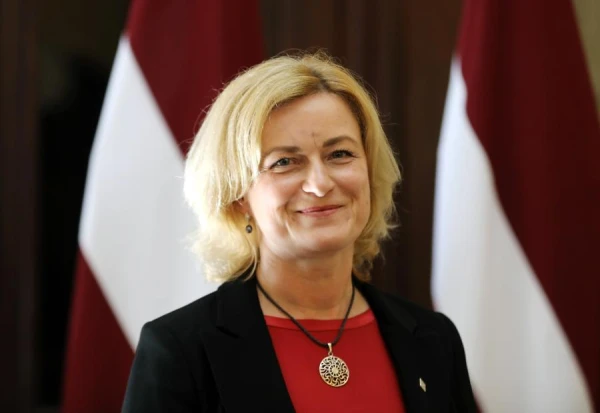
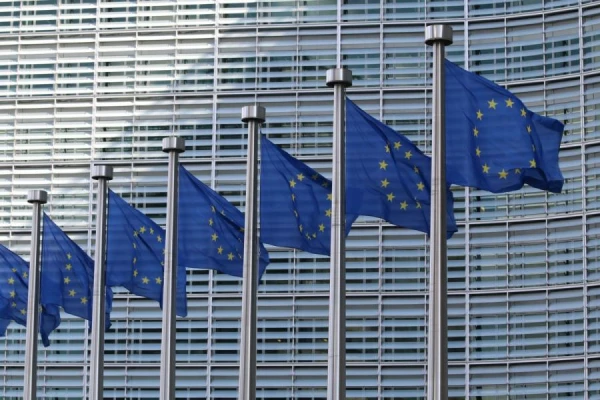
Latvian Prime Minister Evika Silina and Estonian President Alars Karis supported the idea discussed among European countries of appointing a special EU envoy to resume dialogue with the Kremlin and involve Europeans in negotiations to end the war in Ukraine. The leaders of the Baltic states stated in an interview with Euronews on Wednesday, February 4, the necessity of restoring diplomatic channels with Russia to have their own voice at the negotiating table, which is currently being conducted by delegations from Ukraine, Russia, and the U.S.
Diplomatic Contacts While Maintaining Pressure on the Russian Federation
According to Alars Karis, Europeans were late with the diplomatic initiative, resulting in the United States taking the lead role in possible peace negotiations regarding Ukraine, as reported by Deutsche Welle. He pointed out that Europe previously adhered to a position of refusing contacts with the "aggressor," while now they are concerned about their lack of participation in the dialogue. Karis noted that the EU has the right to expect a seat at the negotiating table, as it provides comprehensive support to Ukraine.
For her part, Evika Silina emphasized the necessity of diplomatic contacts while maintaining pressure on Moscow. "We must be at the negotiating table because the Ukrainians have initiated negotiations themselves. So why shouldn't Europeans negotiate?" she said in an interview with Euronews at the World Governments Summit in Dubai.
According to the Latvian Prime Minister, the policy of isolating Russia and imposing sanctions should continue simultaneously. "I think we need to engage in diplomacy. We should always talk, but we need to isolate Russia and continue to impose sanctions on it," she added.
Close Coordination with Kyiv
Any contacts with Moscow should be conducted in close coordination with Kyiv, both politicians believe. A possible EU mediator should be a consensus figure agreed upon by Europeans.
According to Silina, potential special envoys from Europe could include French President Emmanuel Macron, German Chancellor Friedrich Merz, Polish Prime Minister Donald Tusk, and British Prime Minister Keir Starmer. Karis indicated that the envoy should be chosen from a major European country that enjoys "authority with both sides."
As noted by Euronews, the statements of the Baltic leaders "reflect a rapid shift in Europe's strategic thinking regarding Russia after it was excluded from direct negotiations" mediated by the United States. The media company also reminds that the President of Estonia holds a representative position, while the country's government opposes the resumption of relations with the Russian Federation.
Politico: France and Italy Promote the Idea of European Involvement in Negotiations with Russia
In mid-January, Politico reported, citing sources, that several European countries demanded the EU appoint a negotiator to represent Europe's interests in the settlement of the war in Ukraine. According to these reports, France and Italy have already garnered support within the European Commission and from several other EU countries. They believe that Europe will only be able to defend its "red lines," including Ukraine's potential future NATO membership, if the European Union is directly represented at the negotiating table.
Politico stated that appointing a negotiator would be an unprecedented step and would signify a serious shift in Europe's approach to a series of bilateral contacts initiated by U.S. President Donald Trump - amid ongoing attempts to achieve a cessation of Russia's war against Ukraine, European countries are eager to show that they are ready to play a key role in the peace process.
Macron and Italian Prime Minister Giorgia Meloni jointly advocated for opening diplomatic channels with Russian President Vladimir Putin, despite the stalled negotiations being conducted by the White House. At the same time, there are significant disagreements surrounding the initiative. Critics argue that appointing a negotiator with Putin could create the impression that Russia is willing to engage in good-faith negotiations, while Moscow still demands that Ukraine cede territories that the Russian Armed Forces have yet to capture.
Possible EU Contribution to Negotiations
In Brussels, there is also discussion about what contribution the EU could make to possible negotiations and how to prevent the U.S. President from sidelining European interests. According to one source from Politico, there are issues that cannot be discussed exclusively with the U.S., as they directly affect Europe's security. He emphasized that the signal is important not only for Moscow but also for Washington.
The idea of appointing a special representative was first raised at the EU summit in March of last year, confirmed a senior source in the European Union. Despite broad support, no decision was made at that time, and this topic did not make it into the final statement. It remains unclear who exactly such a negotiator should represent - only the EU or a broader "coalition of willing" that includes the United Kingdom and other countries. The negotiator's diplomatic status and appointment format have also not been determined.
The head of European diplomacy, Josep Borrell, indicates that he considers himself the only possible candidate to participate in negotiations about Ukraine's future. In Rome, there was a proposal to consider former Italian Prime Minister Mario Draghi for this role. Finnish President Alexander Stubb is also mentioned as a possible candidate, noting his contacts with Trump and experience interacting with Russia.

Leave a comment