A simple fact: in the main budget of Latvia for the next year, about 16% of expenditures are European funds. Every sixth euro. These are not abstract figures. The repair of the road you drive to work, a new playground in your yard, the insulation of the school for your child, or a scholarship at a university for your older child – all of this is largely funded by the EU budget.
Annual Budget and Night Debates
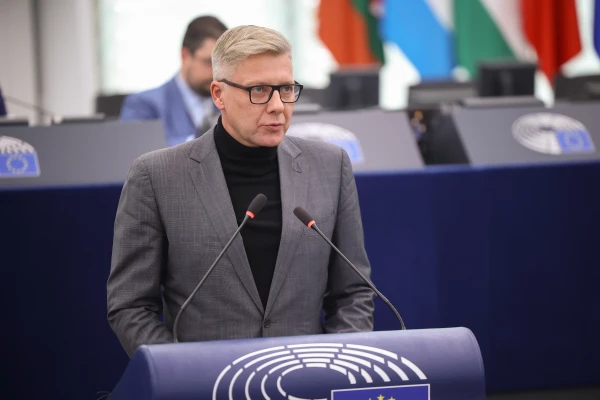
In politics, there is a lot of talk and resolutions are passed. But let's be honest: you can't repair a road or insulate a house with a resolution. You need money for that. I have been working in the Budget Committee of the European Parliament for two terms because this is where decisions are made on how much funding will go to specific programs in Europe and in Latvia.
The final round of negotiations on the EU budget for 2026 took place on November 14 and ended at 2 a.m. The teams from the European Parliament, the European Commission, and EU countries bargained over every line. The result: we managed to secure an additional 267 million euros. This money will go, for example, to youth programs, science, and the construction and repair of roads and bridges. Part of this money will go to Latvia.
This year, I was the shadow rapporteur for the budget from our Socialist and Democrat faction. Next year, I will be the main rapporteur for the entire parliament. However, it will be more challenging to secure funding, and it will become even harder to obtain resources.
At the same time, it is important to understand: there is money for Latvia in Brussels. The problem often lies in how it is used here at home. Due to bureaucracy, sluggishness, and political disputes, these funds often get stuck in corridors or are spent on unclear purposes.
Seven-Year Plan: A Threat to Cities and Farmers
The main battle is for the new seven-year EU budget for 2028–2034. And there are two major problems here. The first is that due to rising security expenses and debt repayments, there are proposals to cut funding for municipalities and agriculture. For Latvia, this is a risk: less funding for school or road repairs and less support for farmers, who already receive less than their colleagues in other EU countries.
The second is the desire to merge funds for infrastructure (roads, schools) and funds for agriculture into one common fund. Cities and farmers will have to compete against each other. What is more important – a new road or a new tractor?
Who Will Divide the Money
And the most dangerous thing: the new model proposes to give more power to national governments. In practice, this means that the government in Riga will decide which city will receive funds and which will not.
We all know how this goes: money can go to where there is a "friendly" mayor, while others are left with nothing. The main task now is to prevent such rules from being adopted at the EU level. Municipalities should not depend on the whims of the government.
In our faction, I am part of the working group on the new seven-year budget. Ahead are a year and a half of tough negotiations.
Eastern Border and Support for People
An interesting fact: when the United Kingdom left the EU, a special fund of 5.4 billion euros was created for the western border to help regions cope with the consequences. Because trading with the UK became more complicated.
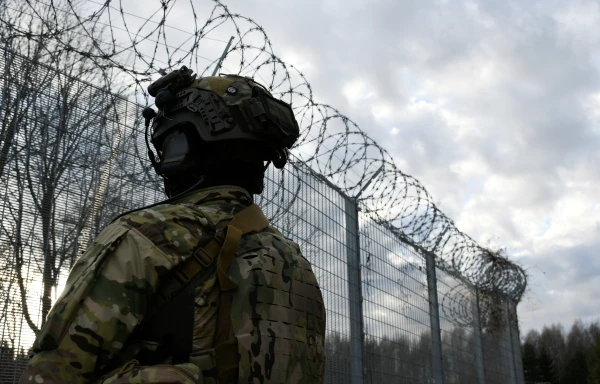
Is the situation at the eastern border any easier? Can the closed checkpoints, barbed wire, and concrete "dragon's teeth" in Latgale be compared to the situation after Brexit in northern France or Flanders?
A fair question: why are municipalities in Latgale any worse? Why should border residents pay the price alone?
Together with colleagues from the Baltics, Poland, and Finland, we are fighting for a similar support fund to be created for the eastern border. And two types of assistance are needed.
First, security expenses – fortifications, infrastructure – should be partially covered by the common European budget. This is the external border of the EU.
Second, where fences are being built, it becomes harder for businesses to operate, and people leave. Therefore, separate support is needed for residents, entrepreneurs, and municipalities in border regions – for jobs, roads, and social programs. Also from the EU budget.
Mission to Latgale: Seeing with One's Own Eyes
To convince colleagues in Brussels, reports alone are not enough. Therefore, in April of this year, at my initiative, a mission of Budget Committee deputies visited Latgale.
We met with the mayors of Latgale municipalities, visited the border, and the closed checkpoint in Vientuli. It was necessary for deputies from, for example, France or Portugal to see for themselves what life is like in Latgale now. It is completely different from reading about the "eastern border" in a report.
The first results from such missions are already visible. The eastern border is now recognized as a priority in the EU budget. The new multiannual budget mentions support for border regions. The next step is to turn this recognition into real money for Latgale and other border regions.
Voice of Central and Eastern Europe
Latvia is a small country. In the European Parliament, we have only 9 deputies out of 720. In the Socialist and Democrat faction, I am the only one. To achieve results, we need to unite with our neighbors.
That is why we created a separate group of deputies from Central and Eastern Europe within our faction. It includes colleagues from Estonia, Lithuania, Poland, Romania, and other countries. I became co-chair of this group – a kind of "union" for our region.
We have similar problems: salaries are lower than in the West, youth outflow. And when we speak with one voice, we are better heard in Brussels.
At the same time, it is important not only to fight problems together but also to adopt successful experiences. A vivid example is Poland: in one generation, it transformed from a poor post-communist country to one of the largest economies in the EU. This is the result of knowing how to use the EU as a tool for development, not as a target for criticism.
A Lot of Work
The European budget is a tool. It can be used in the interests of your country and its people, or it can be handed over to others and then complain about the results. If you do not participate in decision-making, they will be made without us and, most likely, not in our favor. There is still a lot of work ahead.
Renovation of Houses with EU Funds
Housing prices and rents are rising in Europe. We see this clearly in Latvia as well. A new EU housing program is currently being developed in the European Parliament. But the first draft does not include an important aspect for Latvia – the renovation of houses.
It is very important to build new affordable housing. But for us in Latvia, it is still critical to receive support from the EU budget for the renovation of multi-story buildings built during the Soviet era.
I have prepared and submitted a number of amendments to the EU housing program to include the renovation of houses. The vote will take place at the beginning of next year.
"Big Brother" and Control over Your WhatsApp
This topic concerns people more than many other decisions in Brussels. This is evidenced by the hundreds of emails I received in my inbox protesting against the so-called Chat Control.
Chat Control is proposed as a measure to combat the sexual exploitation of children online. The goal is undoubtedly correct, but the proposed solution would effectively mean scanning every user's phone and all their messages in applications like WhatsApp or Signal.
This means breaking encryption, opening a "backdoor" for hackers, fraudsters, or intelligence services.
On November 26, EU member states agreed to abandon mandatory "total scanning" and move to a model where scanning is only possible on a voluntary basis from the platforms. But the risks to encryption and privacy do not disappear.
Now the ball is back in the European Parliament's court: negotiations between the Parliament, the Council, and the Commission will begin in the coming months, and we have a chance to significantly rewrite this project. Deputies will strive to ensure that the final text of the law includes encryption protection and a ban on mass surveillance of personal correspondence.
Our task is to find solutions that will genuinely help in the fight against child exploitation. But at the same time, I and most of my colleagues are against introducing "Big Brother" in Europe.
Minimum Wage: A New Standard
On January 1, 2026, the minimum wage in Latvia will rise to 780 euros. This is not an act of generosity from the national government, but a fulfillment of European requirements.
The EU directive on adequate minimum wages is an initiative of our political family, the Socialists and Democrats. In November, the EU Court made an important ruling: the directive is generally legal, and Denmark's complaint, which tried to challenge it, was dismissed.
The minimum wage should not depend on the coalition's desire to "raise something before the elections." For the residents of Latvia, this directive is a chance for wages to gradually rise to a fair level.
Nils UŠAKOVS, Member of the European Parliament, Socialist and Democrat faction.
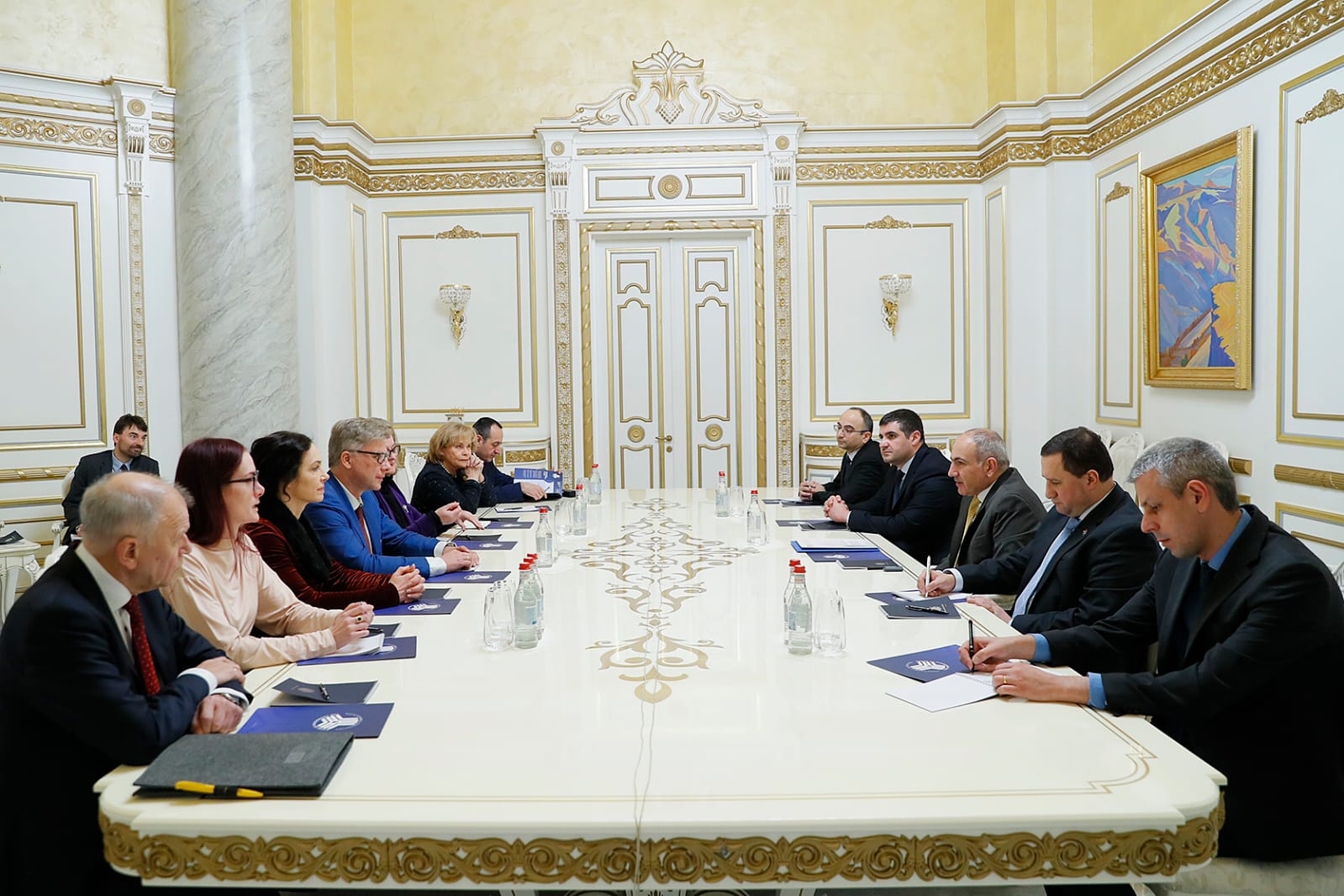
Besides working on the budget, Nils Ušakovs serves as the chair of the European Parliament delegation for relations with the South Caucasus. Recently, the Armenian Parliament voted to begin the process of joining the European Union. Ahead of this vote, Ušakov led a delegation of MEPs that visited Yerevan. In the photo – a meeting of the delegation with Armenian Prime Minister Nikol Pashinyan.
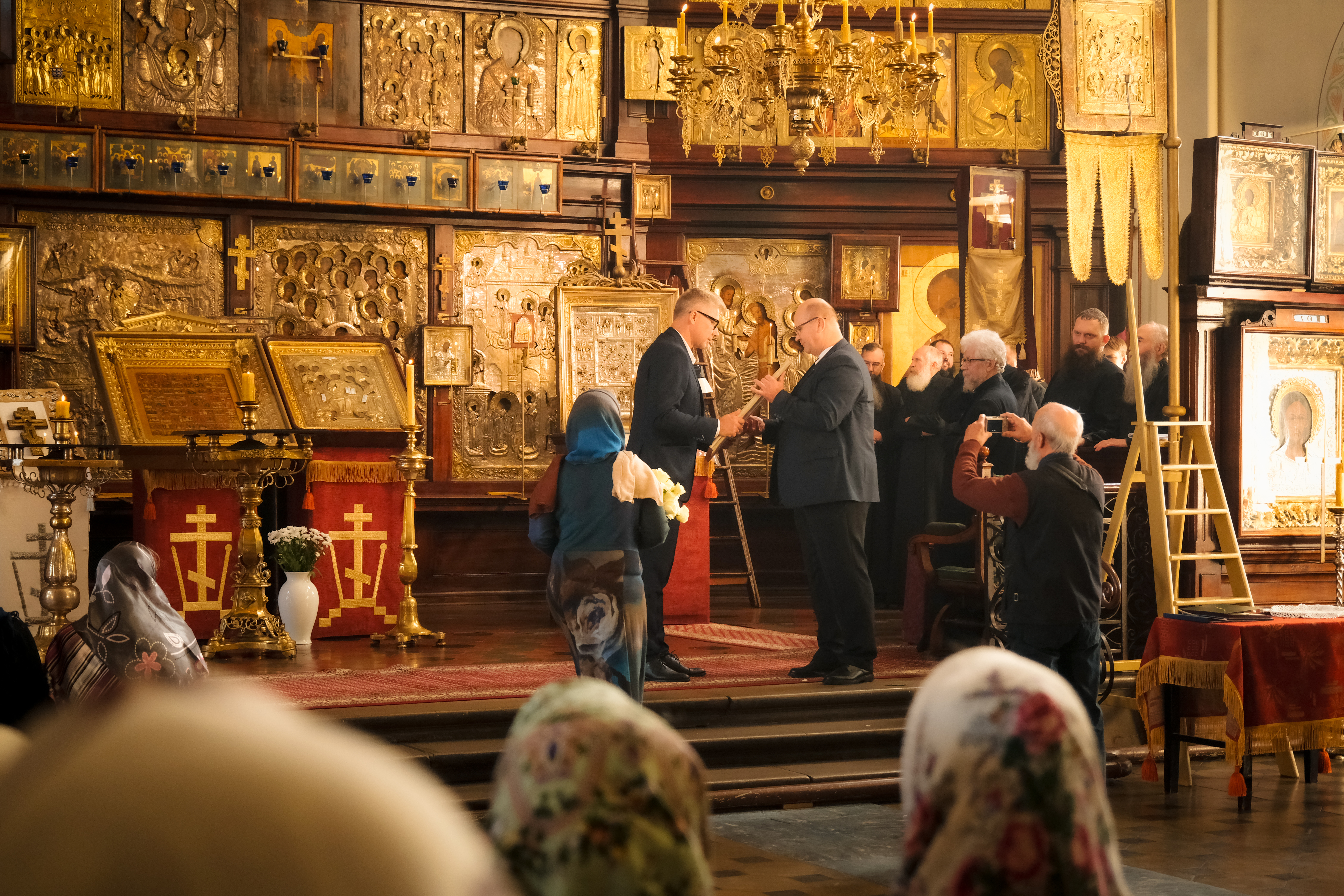
265th anniversary of the Assumption of the Blessed Virgin Mary Church of the Riga Grebenshchikov Old Believer Community. As an MEP, Nils Ušakov congratulates the Old Believers on their holiday.
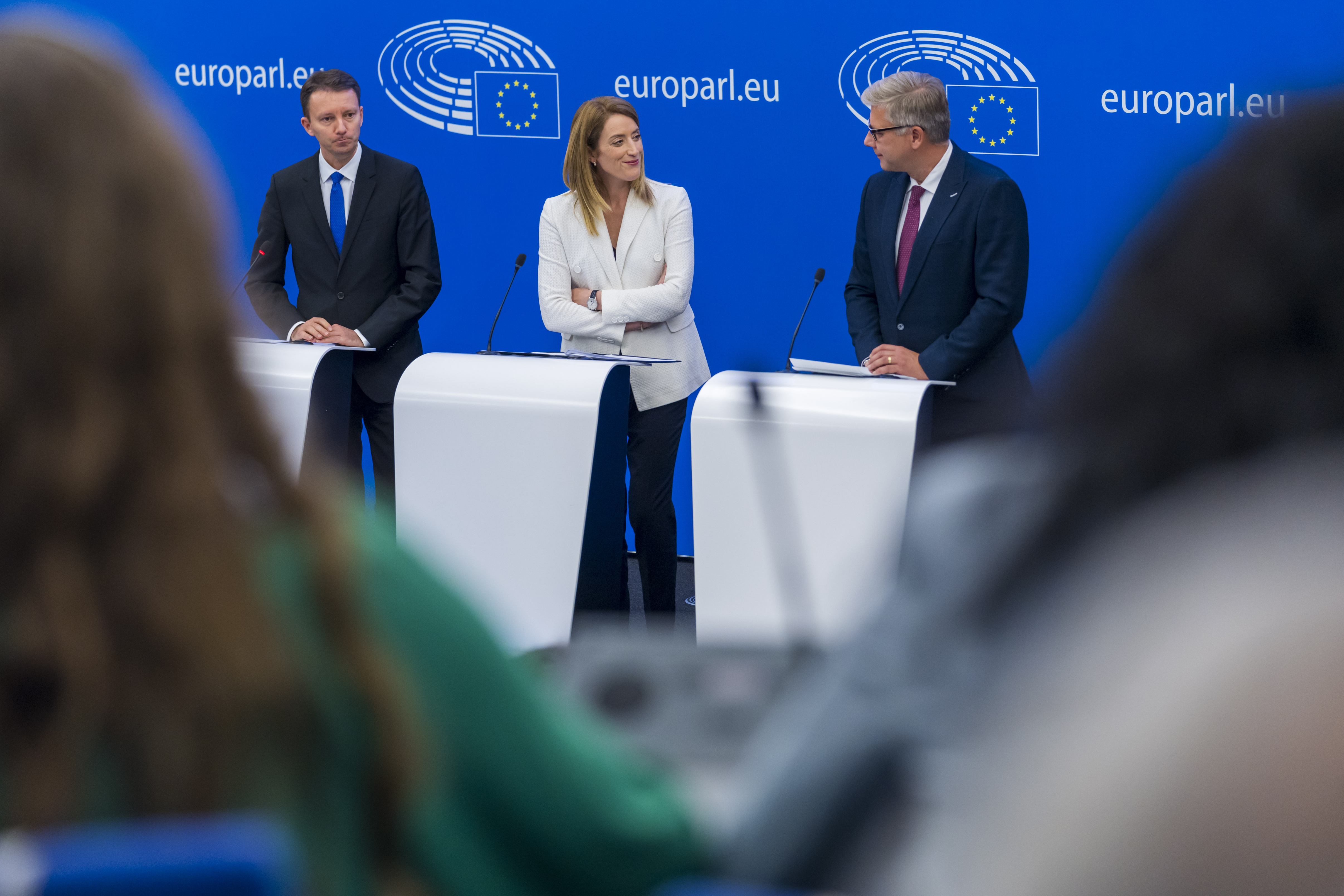
Of all three Baltic countries, Nils Ušakov is the only permanent member of the EP Budget Committee. In the previous term, he was the main rapporteur for the European Parliament budget. Next year, Nils Ušakov will be the main rapporteur for the entire EU budget. In the photo, a joint press conference with EP President Roberta Metsola after the adoption of the EP budget.
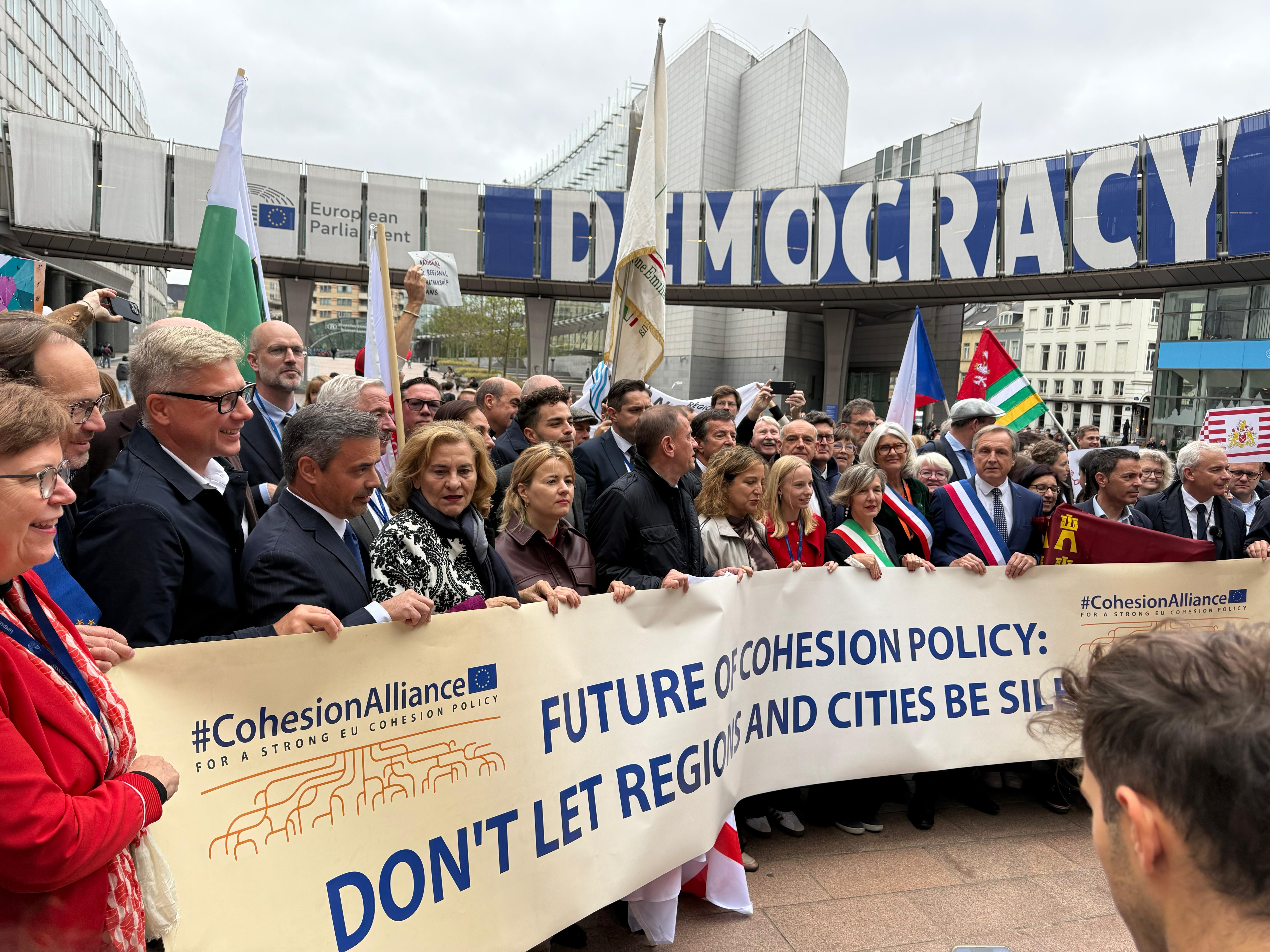
Mayors from different countries in Europe, together with MEPs, protest in Brussels against plans to cut funding for municipalities.
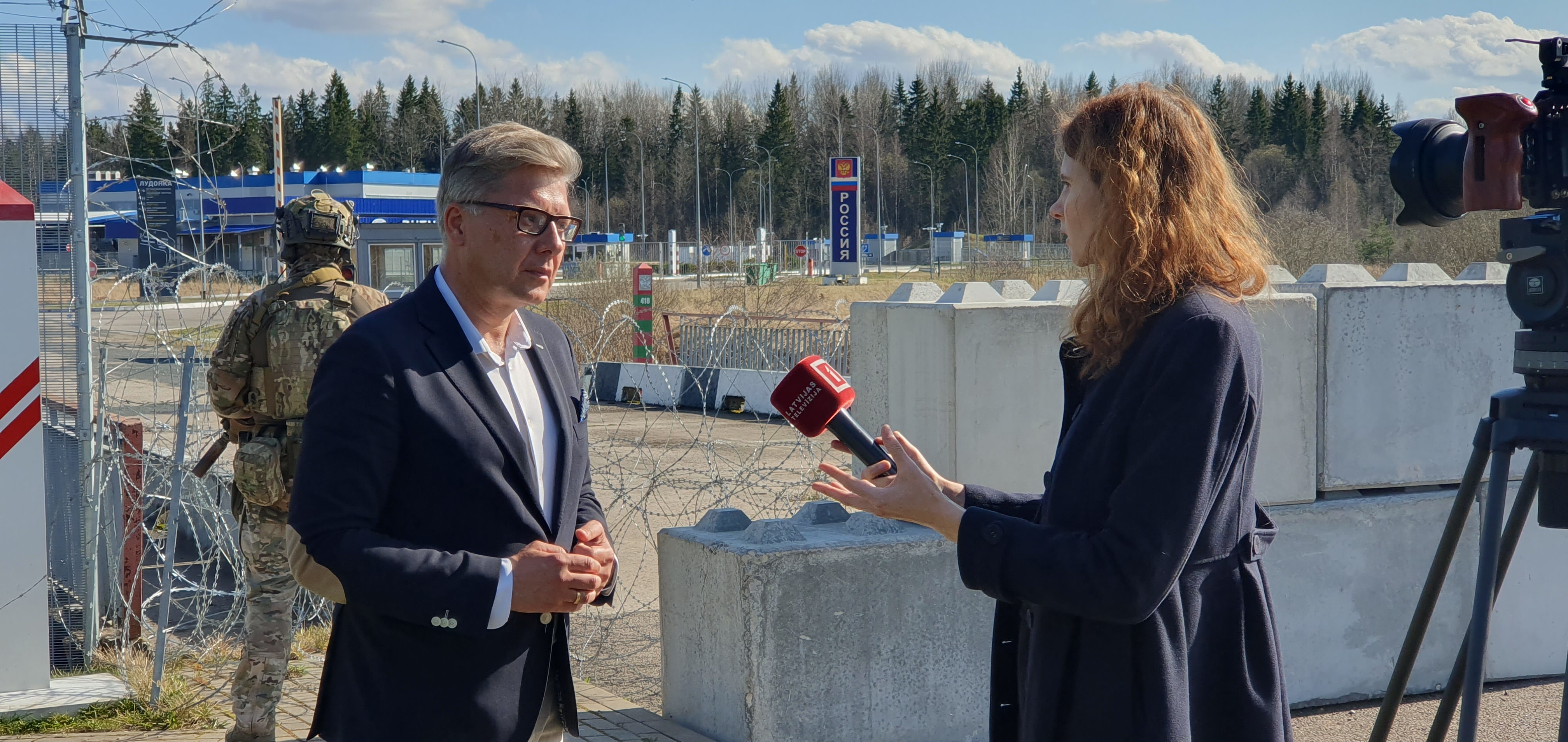
Interview at the closed checkpoint in Vientuli during the MEP mission to Latgale. The border of Latvia is the external border of the EU. Therefore, border regions should receive separate support from the EU budget.
Prepared with the support of the Progressive Alliance of Socialists and Democrats in the European Parliament.
About MEP Nils Ušakovs and direct contact with him: www.socialistsanddemocrats.eu/meps/usakovs-nils