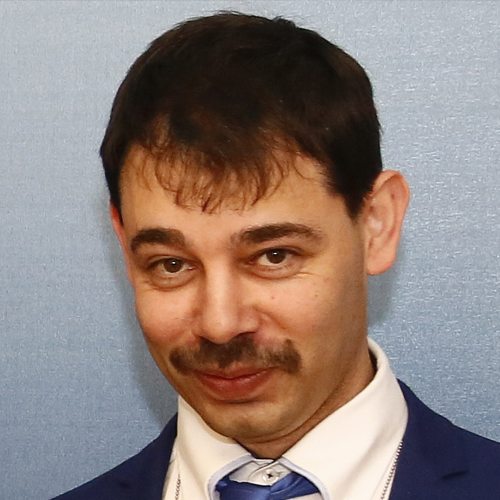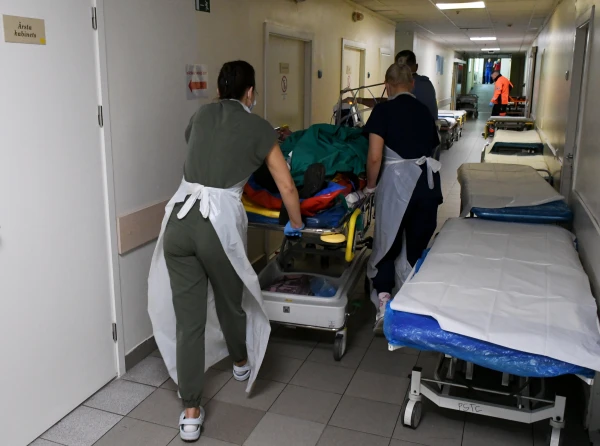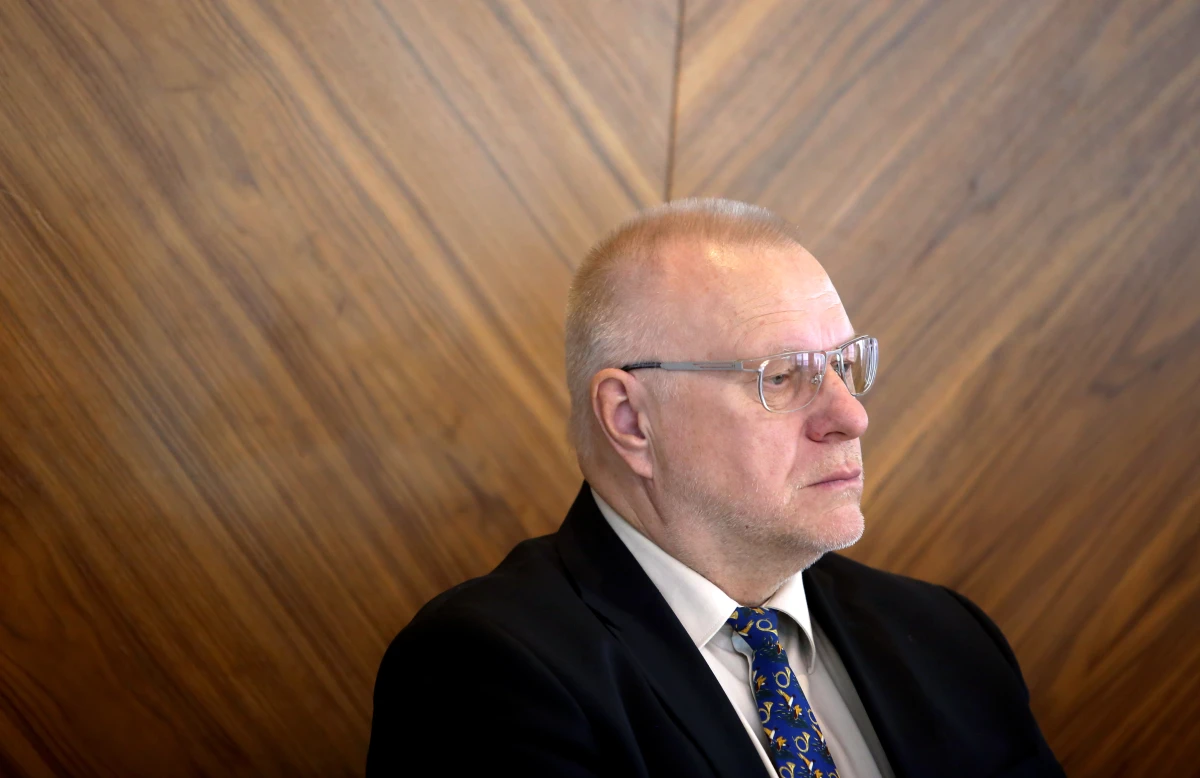
Renowned economist Uldis Osis offered his 'recipes' for reviving medicine.
Economist Uldis Osis commented on yet another crisis in the Latvian healthcare system on social media, offering options to overcome the crisis: "
The Ministry of Health and its army of officials are once again trying to feed us stories about new, euro-renovated walls and expensive beds. But let's be realistic — we can build an intergalactic mega-clinic in every municipality, but if there are no people who know how to connect the system to the patient, it will just be a meaningless waste of taxpayers' money...
What to do when there is no money and the house is on fire?
Since the government of Andris Kulbergs is given a microscopic '100-day horizon,' it makes no sense for him to start a war for a global restructuring of the system or to forcibly close small hospitals from 'above.' The most rational approach right now would be a tactical hybrid model — centralizing functions without tearing down walls, which Kulbergs can initiate with some amendments to the Cabinet of Ministers' rules within a week.
The government must stop measuring the temperature of a dead horse and take three steps.
-
Telemedicine (which I proposed to the Ministry of Health about 15 years ago) gets the 'green light': Include remote monitoring of chronic patients and digital wellness diaries in the state-funded basket. The technology is already available; only the signatures of officials are needed. This would quickly reduce queues in emergency departments.
-
Saving diagnostics: put an end to the senseless 'circular giving,' where a patient without a clear diagnosis is sent around offices until they become an acute inpatient. The National Health Service should pay a much higher rate for an in-depth 45-minute primary consultation so that the doctor examines the person from head to toe before the disease progresses.
-
Give municipalities an economic carrot — if they voluntarily hand over their inefficient empty emergency departments to large hospitals, the state provides targeted funding for maintaining modern chronic disease care points locally.
This hybrid model is certainly not a perfect perpetual motion machine. It is a transitional bridge to stop the bleeding and pull the nursing staff out of the staffing abyss. Only when the existing staff is stabilized and the initial stage of prevention finally starts to work can future governments sit down at the table and build an effective model of mandatory state insurance.
If Kulbergs' team fails to reprogram these management algorithms now, we won't even notice that soon we will have new multimillion hospital facilities again, where the last missing nurse will simply turn off the lights."